
Size
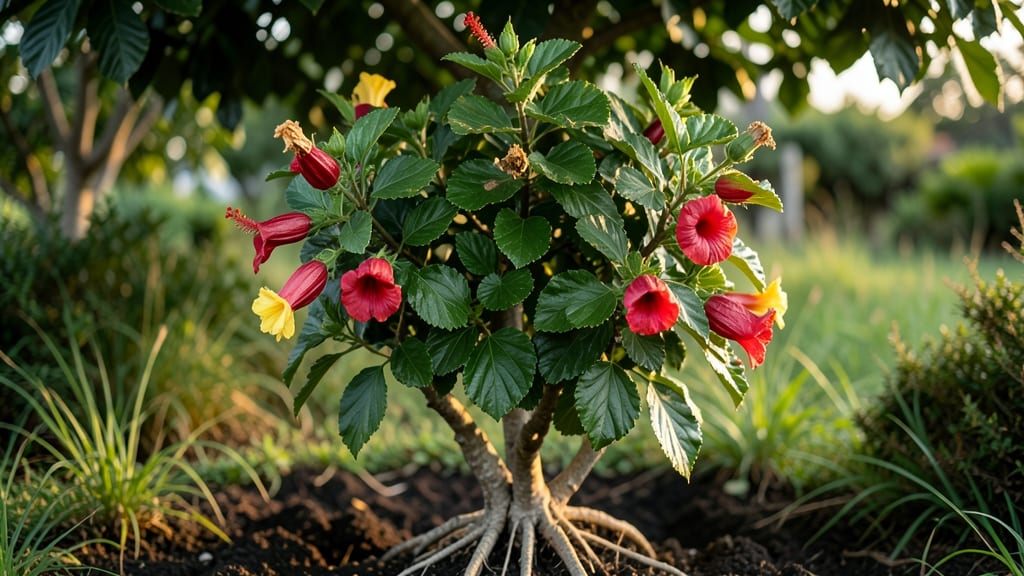
How to grow roselle hibiscus turns a sunny corner into a tropical oasis. 🌿 I planted mine last spring, and within weeks, the deep green leaves and vibrant red calyxes transformed my patio into a mini jungle—no greenhouse required. This plant thrives in heat and humidity, making it perfect for zones 9-11, but it also handles containers beautifully if you live in cooler areas. Start with well-draining soil mixed with compost, and give it full sun (at least 6 hours daily). The key is keeping the soil consistently moist but not soggy—roselle hates wet feet. By midsummer, you’ll be harvesting those striking red flower buds for tea, jams, or soups. The leaves are edible too, adding a tart kick to salads. Prune regularly to encourage bushier growth, and watch it reward you with bold blooms all season long. Even in small spaces, roselle delivers drama. Just avoid overwatering and watch it flourish—your neighbors will ask for cuttings before you know it!
📚 In This Guide
- What you need
- Instructions
- Tips and common mistakes
- Wrapping up and next steps
What you need
- ● Roselle hibiscus seeds or cuttings: Choose organic, non-GMO seeds or healthy cuttings (3–5 inches long) from a trusted source.
- ● Well-draining potting mix or garden soil: For pots: 1–2 gallons of lightweight, airy mix (e.g., 60% coco coir, 30% perlite, 10% compost).
- ● For garden beds: Amend soil with compost or aged manure (1–2 lbs per sq. ft.) for fertility.
- ○ Containers (optional but ideal for small spaces): 5–10 gallon pots with drainage holes (1 plant per pot).
- ● Pro tip: Use terracotta or fabric grow bags to prevent root rot! 💡
- ● Fertilizer: Balanced liquid fertilizer (e.g., 10-10-10 NPK) or organic options like fish emulsion or worm castings.
- ○ Slow-release granules (optional for garden beds).
- ● Mulch: Straw or shredded leaves (1–2 inches thick) to retain moisture.
- ● Watering can or hose with adjustable nozzle: Roselle loves deep but infrequent watering!
- ● Pruning shears: Sharp, sterilized shears for trimming (3–5 inches above a leaf node).
- ● Sunlight: Full sun (6–8+ hours daily)—roselle is a tropical sun-worshipper! 🌞
- ● Temperature: Ideal range: 70–90°F (21–32°C). Avoid frost (roselle is not cold-hardy).
- ● pH Level: Slightly acidic to neutral (6.0–7.0)—test soil if unsure.
- ● Space: Pots: 12–18 inches of diameter per plant.
- ● Garden beds: 3–4 feet apart (roselle spreads!).
Step-by-Step instructions for growing roselle hibiscus
Here's how to cultivate this vibrant tropical plant—whether you're starting from seed or transplanting.
🌱 Step 1: Choose the Right Location and Prepare Soil
Roselle hibiscus thrives in full sun—at least 6-8 hours daily—so pick a spot with southern or western exposure. If growing in containers, place them where they’ll get maximum sunlight. The plant loves warmth, so aim for daytime temperatures between 70-85°F.
For in-ground planting, amend the soil with compost or aged manure to improve drainage. Roselle hibiscus hates soggy roots, so if your soil is heavy clay, mix in sand or perlite to loosen it. A slightly acidic to neutral pH (6.0-7.0) works best. If you're using pots, ensure they have drainage holes—this is non-negotiable.
🪴 Step 2: Plant Seeds or Transplants at the Right Time
Start seeds indoors 8-10 weeks before your last frost in biodegradable pots or seed trays. Press them ¼ inch deep into warm, moist soil and keep them in a sunny spot or under grow lights. Germination takes 10-20 days at 75-80°F. Once seedlings have 2-3 true leaves, transplant them outdoors after all frost risk has passed—roselle hibiscus is sensitive to cold.
If buying transplants, choose healthy ones with bright green leaves and no signs of pests. Plant them 12-18 inches apart in rows 2-3 feet apart to give them room to grow. For containers, use one plant per 5-gallon pot—they’ll get large. Water deeply after planting to settle the soil around the roots.
☀️ Step 3: Water and Fertilize for Strong Growth
Roselle hibiscus needs consistent moisture but hates soggy soil. Water 1-2 inches per week, letting the top 2 inches of soil dry out between waterings. In containers, check soil moisture daily—pots dry out faster. Mulch around the base with straw or shredded leaves to retain moisture and keep roots cool.
Fertilize every 4-6 weeks with a balanced liquid fertilizer (10-10-10) or a low-nitrogen, high-phosphorus blend to encourage flowering. Stop fertilizing 6-8 weeks before harvest—too much nitrogen makes leaves grow at the expense of calyces (the edible flower parts). You’ll know you’re doing it right when plants produce bright red, yellow, or orange calyces by mid-summer.
✂️ Step 4: Prune and Harvest for Continuous Production
Prune roselle hibiscus early in the season to encourage bushier growth. Pinch back the tips of new shoots when they’re 6-8 inches tall to promote branching. Remove any yellow or damaged leaves regularly to keep the plant healthy. Deadhead spent flowers to redirect energy into new growth.
Harvest calyces when they’re brightly colored and fully opened but before they turn woody. Cut the entire flower head with 2-3 inches of stem using clean scissors. Harvest every 2-3 weeks to encourage more production. Store fresh calyces in the fridge for up to 5 days or dry them for later use. The more you harvest, the more your plant will produce!
⏰ Step 5: Overwintering and Long-Term Care
Roselle hibiscus is tender perennial—it dies back in frost but can be grown as an annual in cooler climates. If you live in USDA zones 9-11, it may survive mild winters with mulch protection. In colder areas, dig up pots and move them indoors to a sunny window or under grow lights. Reduce watering in winter but keep the soil slightly moist.
In spring, prune back any dead growth and fertilize lightly to kickstart new growth. If you’re growing in containers, repot every 2-3 years into a slightly larger pot to refresh the soil. With proper care, your roselle hibiscus will reward you with bold flowers and edible calyces for years to come.
Tips & tricks for perfect roselle hibiscus growth
Here's what nobody tells you about keeping your roselle hibiscus thriving—these are the secrets that'll make all the difference between a struggling plant and a bountiful harvest.
Sunlight Strategy: In Step 1, when positioning your roselle hibiscus for that critical 6-8 hours of full sun, I recommend using a simple trick: place a white board or piece of cardboard on the soil near your plant in the afternoon. If the cardboard stays cool to the touch, your plant is getting enough sun. If it's warm, move the plant to a sunnier spot. This works especially well for container growers who can easily adjust positions.
Soil Preparation Hack: For Step 2, when amending your soil with compost and perlite, I've found that adding a handful of coarse sand (about 1 part sand to 2 parts compost) creates even better drainage without compromising nutrient content. This is particularly helpful if you're working with naturally dense garden soil. The key is to mix it thoroughly—don't just sprinkle on top.
Watering Wisdom: In Step 3, that once-a-week deep watering can be tricky to judge. I've developed a simple test: stick your finger about 2 inches into the soil. If it feels completely dry, water thoroughly until water runs out the drainage holes. For containers, I use the "weight test"—lift the pot before watering. If it feels light, it's time to water. This prevents both overwatering and underwatering equally.
Harvesting Timing: When harvesting those 3-4 inch calyces in Step 5, here's my pro tip: harvest in the morning when the plants are fully hydrated. The calyces will be at their most tender and flavorful state. Also, always harvest with clean pruners—diseases can easily spread through dirty tools. I like to sterilize my pruners with rubbing alcohol between cuts for extra protection.
Pro Tips for Grow Roselle Hibiscus
- Here's what nobody tells you about keeping your roselle hibiscus thriving—these are the secrets that'll make all the difference between a struggling plant and a bountiful harvest.
- If the cardboard stays cool to the touch, your plant is getting enough sun.
- This is particularly helpful if you're working with naturally dense garden soil.
Frequently asked questions
Got questions about growing roselle hibiscus? You’re not alone!
Here are answers to the most common queries—from beginners to seasoned gardeners—to help you cultivate this vibrant tropical plant with confidence.
How long does it take for roselle hibiscus to grow from seed?
Roselle hibiscus seeds typically sprout in 7–14 days under warm, moist conditions (70–85°F). Once planted, expect 3–6 months to reach maturity, with flowers blooming around 4–5 months if given full sun and consistent care. Patience pays off—these plants grow fast once established!
Can roselle hibiscus survive cold weather?
Roselle hibiscus is a tropical plant and thrives in warmth (USDA zones 9–11). In cooler climates, grow it as an annual or bring potted plants indoors before frost. If temperatures drop below 50°F (10°C), protect it with row covers or move it to a sheltered spot.
Why aren’t my roselle hibiscus leaves turning red?
Reddish-purple leaves are common in young growth or cooler weather. If your plant isn’t showing color, check for:
- Lack of sunlight (needs 6+ hours of direct sun daily).
- Over-fertilizing (too much nitrogen = lush green leaves, fewer flowers).
- Stress (underwatering or poor drainage).
Can I grow roselle hibiscus in containers?
Absolutely!
Roselle hibiscus adapts well to pots, making it perfect for balconies or small gardens. Use a 5-gallon container minimum (bigger = happier plant) with drainage holes. Ensure it gets full sun and water regularly—containers dry out faster than garden beds.
What pests commonly attack roselle hibiscus?
Watch for:
- Aphids (tiny green/black bugs on new growth).
- Spider mites (webby threads on leaves).
- Whiteflies (tiny white moths fluttering when disturbed).
Wrapping up and next steps
Growing roselle hibiscus is a rewarding journey—whether you’re harvesting vibrant flowers for tea, fresh pods for cooking, or simply enjoying its lush foliage. With the right sunlight, well-draining soil, and a little patience, this tropical beauty thrives in pots or garden beds.
Start small, experiment with varieties, and soon you’ll be savoring the fruits (and flavors!) of your labor.
Ready to take the next step? Plant your first seeds or cuttings today! 🌱 Whether you’re a beginner or a seasoned gardener, roselle hibiscus offers endless possibilities—so why wait? Grab your gloves and let’s grow!