
Size
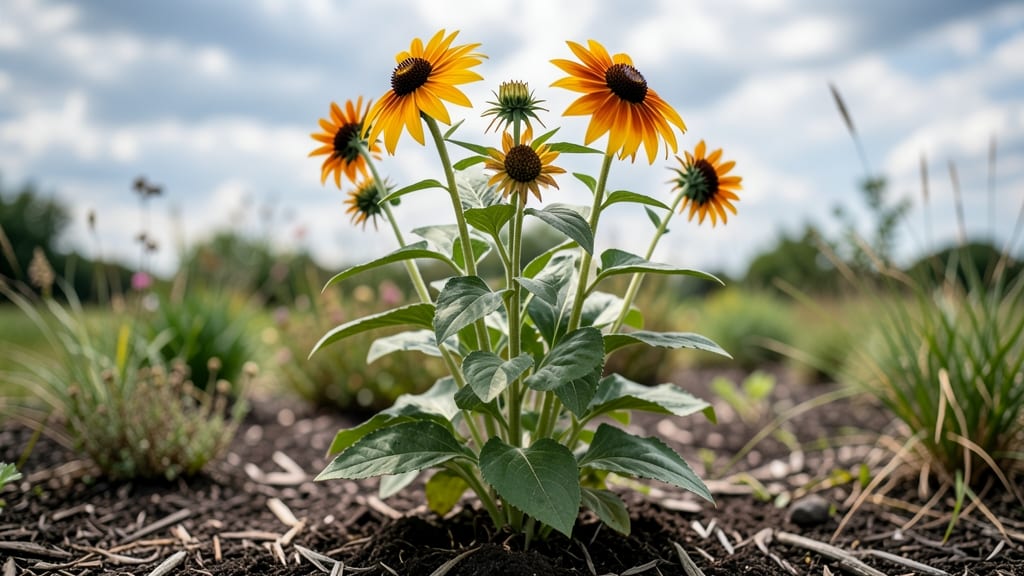
How to grow rudbeckia is like planting a sun-loving firework that blooms all summer. 🌻 I’ve grown these tough perennials for years, and they’ve never failed to deliver bold, cheerful blooms with almost no fuss—even in my hot, dry climate where other flowers wilt. The secret starts with well-draining soil and full sun (6+ hours daily). Plant seeds or transplants ½ inch deep, spacing them 12-18 inches apart—this gives them room to grow into sturdy, bushy plants. Water them deeply once a week after establishment, and they’ll thrive without constant attention. By mid-summer, you’ll have nonstop blooms in shades of yellow, orange, and rust. The key to keeping them productive? Deadhead spent flowers occasionally and cut back leggy stems in early spring. Rudbeckia is drought-tolerant once established, making it perfect for low-maintenance gardens. Whether you’re filling borders, brightening containers, or attracting pollinators, these perennials deliver years of color with almost zero drama. Let’s get those roots in the ground!
📚 In This Guide
- What you need
- Instructions
- Tips and common mistakes
- Wrapping up and next steps
What you need
- ● Rudbeckia seeds or plants: Seeds: 1 packet (typically 50–100 seeds) for full sun exposure areas.
- ● Transplants: 3–5 young plants (4–6 inches tall) for quicker blooms.
- ● Well-draining potting mix or garden soil: 1–2 bags (10–20 lbs each) amended with compost for nutrients.
- ● Containers or garden bed: Containers: 5–10-inch pots (1–2 per plant) with drainage holes.
- ● Garden bed: Full sun spot (6+ hours of light) with loose, fertile soil.
- ● Watering can or hose with a gentle spray nozzle.
- ○ Organic fertilizer (optional but recommended): Balanced 10-10-10 or slow-release granular fertilizer (1 lb per 100 sq ft).
- ● Garden trowel or transplant spade for digging.
- ○ Gloves (optional but handy for messy soil).
- ● Pruning shears (for deadheading spent blooms or dividing clumps).
- ○ Mulch (optional): 2–3 inches of straw or shredded bark to retain moisture.
- ● 🌡️ Timing: Start seeds indoors 6–8 weeks before the last frost or sow directly in spring after soil warms to 50°F+.
- ● ✨ Sunlight: Rudbeckia thrives in full sun—plant in the sunniest spot in your yard!
- ● 💧 Watering: Keep soil consistently moist (not soggy) until roots establish (4–6 weeks).
Step-by-step instructions for growing rudbeckia perennials
Here's my foolproof method for cultivating these hardy, long-blooming perennials that thrive in full sun.
🌱 Step 1: Choose the Perfect Planting Location
Rudbeckia demands full sun exposure—at least 6-8 hours daily—to produce its signature bold blooms. I always scout locations with afternoon sun first, as morning light alone won't cut it. The soil should drain well; these plants despise soggy roots, so avoid low spots where water pools.
Test your spot by digging a 12-inch deep hole. If water stands after 15 minutes, amend the soil with 2-3 inches of compost mixed into the top 6 inches. The ideal planting bed has loose, crumbly soil that crumbles easily between your fingers. Here's the thing—rudbeckia tolerates poor soil better than most perennials, but it still rewards you with bigger blooms when given rich, well-draining conditions.
🌿 Step 2: Plant at the Right Depth and Spacing
Dig holes twice as wide as the root ball but only as deep—planting too deep suffocates the crown, while too shallow invites rot. Gently remove the plant from its container and loosen any circling roots with your fingers. I always give rudbeckia 18-24 inches of space between plants, which prevents overcrowding and improves airflow for disease resistance.
Place the plant in the hole so the top of the root ball sits just below soil level. Backfill with native soil mixed with a handful of compost, then water deeply to settle everything. The key here is firm but not compacted soil—tap the base gently after watering to eliminate air pockets. You'll know you've done it right when the soil surface looks slightly concave around the base.
☀️ Step 3: Water Deeply and Establish a Routine
Water immediately after planting to help roots establish, then maintain 1 inch of water weekly during the first growing season. I use a rain gauge to track rainfall and only water when needed—overwatering leads to weak stems and fungal issues. Once established, rudbeckia becomes drought-tolerant, but young plants need consistent moisture to root deeply.
Here's what I do: Water in the early morning so foliage dries quickly, reducing disease risk. After 4-6 weeks, you'll see new growth appear—this is your signal that roots have taken hold. Reduce watering slightly at this point, but don't let the soil dry out completely. The goal is to encourage deep root growth, not surface roots that depend on frequent watering.
✂️ Step 4: Deadhead and Maintain for Continuous Blooms
Remove spent blooms by cutting stems back to the nearest set of leaves or side bud. This encourages the plant to produce more flowers instead of setting seed. I deadhead every 7-10 days during peak bloom season—typically late summer through fall. The more you cut back, the longer your rudbeckia will flower, sometimes until the first frost.
In late winter or early spring, cut back the previous year's growth by one-third to encourage fresh, vigorous new growth. This also improves air circulation, which prevents powdery mildew. Here's the trick: Wait until new shoots appear before pruning—this ensures you're not removing next year's blooms by mistake. Once you see 2-3 inches of new growth, it's safe to clean up the old stems.
🪴 Step 5: Divide and Propagate Every 3-4 Years
When clumps become overcrowded (usually after 3-4 years), dig up the entire plant in early spring or fall. Use a sharp spade to divide the root ball into sections, ensuring each has 3-5 stems and a good portion of roots. Replant immediately in prepared soil, water deeply, and mulch with 2 inches of compost to retain moisture.
Here's where it gets fun—you can also propagate rudbeckia from seed. Collect seeds from spent blooms in late fall or early winter, then sow them outdoors in spring or start them indoors 6-8 weeks before last frost. Seeds germinate best in 60-70°F soil, so a warm seedling mat helps speed up the process. Young plants may not bloom the first year but will reward you with vibrant flowers the following season.
Tips & tricks for perfect rudbeckia growth
Here's what nobody tells you about cultivating these sun-loving perennials—details that make all the difference between good and spectacular blooms.
Sunlight Strategy: While rudbeckia thrives in full sun (6-8 hours daily), I've found the afternoon sun is most critical for vibrant blooms. If your location only gets morning sun, consider planting in a raised bed where you can rotate the plants seasonally to catch those afternoon rays. The key is ensuring at least 4 hours of direct afternoon sunlight—this is what triggers the boldest color development in the blooms.
Soil Test Hack: Before amending your soil, do a quick test by digging down 12 inches and squeezing a handful. If it stays clumped in your hand for more than 15 seconds, you definitely need to add compost. I like to mix in 2-3 inches of compost into the top 6 inches of soil—this creates the perfect loose, crumbly texture that rudbeckia loves. The goal is to mimic the well-draining conditions of their native prairie habitats.
Planting Depth Visual: When planting, aim to have the top of the root ball just below soil level—this is often called the "crown" of the plant. To visualize this, imagine the root ball as a clock face: you want the top edge (12 o'clock position) just below the soil surface. This positioning prevents rot while allowing the plant to access moisture and nutrients efficiently. After planting, gently tap the base to eliminate air pockets and create that slight concave shape around the base.
Watering Wisdom: The 1-inch weekly watering guideline is perfect for established plants, but young rudbeckia need more consistent moisture. I've learned the hard way that letting the soil dry out completely during the first growing season can stunt root development. Use your finger to check soil moisture—if the top inch feels dry, it's time to water. Early morning watering is crucial as it gives foliage time to dry completely, reducing fungal disease risk.
Pro Tips for Grow Rudbeckia
- Here's what nobody tells you about cultivating these sun-loving perennials—details that make all the difference between good and spectacular blooms.
- Sunlight Strategy: While rudbeckia thrives in full sun (6-8 hours daily), I've found the afternoon sun is most critical for vibrant blooms.
- Soil Test Hack: Before amending your soil, do a quick test by digging down 12 inches and squeezing a handful.
Frequently asked questions
Got questions about growing rudbeckia? You’re not alone! Here are answers to the most common queries to help you cultivate vibrant blooms with ease.
What’s the best time to plant rudbeckia?
Plant rudbeckia in early spring (as soon as the soil is workable) or early fall (4-6 weeks before frost). This gives roots time to establish before extreme heat or cold. Avoid planting in summer—high temps can stress young plants.
How much sun does rudbeckia really need?
Rudbeckia thrives in full sun (6+ hours/day), but it tolerates partial shade (4-6 hours), especially in hot climates. Too little light? Expect fewer blooms. For the most vibrant flowers, prioritize sun exposure.
How often should I water rudbeckia?
Water deeply 1-2 times per week (more in extreme heat or drought). Once established, rudbeckia is drought-tolerant, but consistent moisture encourages lush growth. Mulch around the base to retain moisture and suppress weeds.
What pests or diseases should I watch for?
Common issues include aphids, Japanese beetles, and powdery mildew. Spray off pests with water or use neem oil. For mildew, improve airflow and avoid overhead watering. Deadhead spent blooms to prevent disease and encourage more flowers.
Can I grow rudbeckia in containers?
Yes! Choose a container at least 12 inches deep with drainage holes. Use well-draining potting mix and pair rudbeckia with other sun-lovers like black-eyed Susans or salvias. Water more frequently than in-ground plants.
Wrapping up and next steps
Growing rudbeckia is a rewarding journey that brings bold, cheerful blooms to your garden with minimal fuss! 🌼 With the right sunlight, soil, and care, these sun-loving perennials will thrive year after year, offering nonstop color from summer to fall.
Whether you’re a beginner or a seasoned gardener, the key is patience—watch as your efforts transform into a stunning, low-maintenance display.
Ready to dive in? Start by picking your favorite variety, grab your supplies, and get planting—your future garden will thank you! 🌱 For even more inspiration, explore rudbeckia companion plants to create a show-stopping border.