
Size
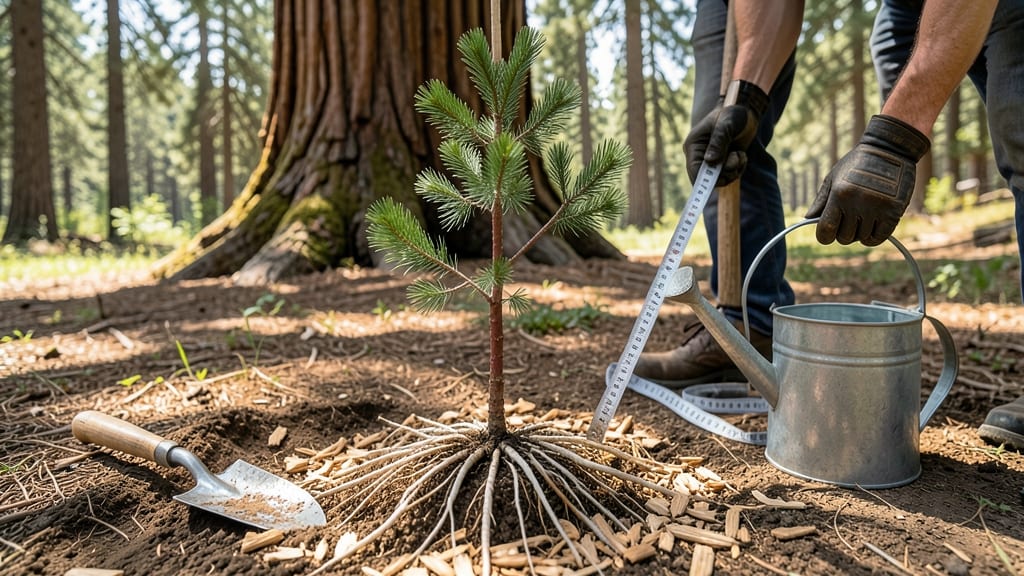
How to grow sequoia trees from tiny seeds feels like planting a dream. 🌲 These giants—some of the tallest trees on Earth—start as delicate seedlings that need patience, space, and just the right conditions to reach their towering potential. I’ve nurtured them from seed to sapling, and while they won’t fit in most backyards, the journey is worth it for anyone with a large property or a love for long-term gardening projects.
The key to success lies in mimicking their natural habitat: cool, moist climates with rich, well-draining soil. Sequoias thrive in USDA Zones 5-8, where winters stay cold enough to slow growth but not freeze the roots.
If you’re outside this range, container growing with winter protection might work—but expect slower progress. Start with fresh seeds (they lose viability quickly) and a mix of peat, sand, and compost to give those first roots the best chance.
By year 5, your sapling might only be 3-4 feet tall, but that’s normal—sequoias grow less than an inch per year early on. The real magic happens after 20 years, when they begin their rapid ascent.
Prune carefully to remove dead branches, and mulch heavily to protect roots from summer heat. With time, you’ll have a living monument in your landscape, though it’ll need at least 100 feet of space to reach its full glory.
Fair warning: sequoias aren’t for the impatient. But if you’re dreaming of a backyard redwood forest, this is how it starts. The slow growth makes every milestone—first needles, first cones, first 10-foot spurt—feel like a victory. For now, focus on the basics: soil, water, and space. The rest is time.
📚 In This Guide
- What you need
- Instructions
- Tips and common mistakes
- Wrapping up and next steps
What you need
- ● Sequoia seeds: 5–10 fresh, viable seeds (preferably from Sequoiadendron giganteum or Sequoia sempervirens)
- ● Seed-starting mix: 1–2 gallons of sterile, well-draining potting soil (e.g., cactus/succulent mix or peat-based seed starter)
- ● Containers: Small seed trays or pots (3–4 inches deep) with drainage holes
- ● 1–2 larger nursery pots (5–7 gallons) for transplanting seedlings
- ● Grow lights or sunny windowsill: Full-spectrum LED grow lights (12–16 hours/day) or a south-facing window
- ● Misting bottle or spray nozzle: For gentle hydration without disturbing seeds
- ● Humidity dome or plastic wrap: To maintain moisture during germination
- ● Fertilizer: Balanced, water-soluble fertilizer (e.g., 10-10-10) for seedlings (diluted to half-strength)
- ● Pruners or small scissors: For trimming (once established)
- ● pH test kit: To monitor soil acidity (ideal range: 5.5–7.0)
- ● Outdoor space: A permanent planting site with full sun (6+ hours/day), deep soil (at least 3 feet), and protection from wind
- ● Seed stratification kit (if seeds aren’t pre-chilled) – mimics winter cold for faster germination
- ● Soil moisture meter – ensures optimal hydration without overwatering
- ● Epsom salt (magnesium sulfate) – occasional foliar spray for nutrient boost
- ● Mulch (wood chips or pine straw) – retains moisture and regulates soil temp
- ● Tree support stakes – for young saplings in windy areas
Step-by-step instructions for growing sequoia trees from seed
Growing these ancient giants starts with patience and the right conditions—here's how to give your sequoia seedlings the best possible beginning.
🌱 Step 1: Collect and Prepare Sequoia Seeds
Sequoia seeds have a hard outer shell that needs scarification to soften. I like to use a sandpaper method: rub each seed gently between two pieces of fine-grit sandpaper until you see a small dent. This mimics natural weathering and helps water penetrate. Handle them carefully—they're tiny but contain the potential for 300-foot trees!
Once scarified, soak the seeds in lukewarm water for 24 hours. You'll see the water turn slightly cloudy as the seed coats begin to break down. After soaking, drain them and place them in a sealed container with a damp paper towel. Keep this container in a 70-75°F environment, like on top of your refrigerator. Check daily and mist with water if the towel feels dry.
🌱 Step 2: Plant Seeds in Sterile Growing Medium
Use a well-draining seed-starting mix in small containers—2-3 inches deep works perfectly. I prefer to use individual cells or small pots to avoid disturbing delicate roots later. Fill each container almost to the top with the mix, leaving just ½ inch of space at the rim. Press the soil down lightly so it's firm but not compacted.
Plant 1-2 seeds per container, placing them ¼ inch deep in the soil. Cover them lightly with additional mix, then mist the surface until it's evenly damp but not soggy. Place the containers in a clear plastic bag to create a greenhouse effect, which helps maintain humidity and warmth. Seal the bag loosely—you want airflow but not drying.
💧 Step 3: Maintain Warmth and Moisture for Germination
Sequoia seeds germinate best in 70-75°F conditions, so place the containers in a warm spot away from direct sunlight. A seedling heat mat set to 75°F speeds up germination significantly. You should see sprouts within 2-4 weeks, though some seeds may take longer. Patience is key—don't be tempted to move them or check too often.
Keep the soil consistently moist but never waterlogged. The plastic bag helps retain humidity, but open it daily for 10 minutes to prevent mold. Once you see the first true leaves (not the initial seed leaves), remove the bag completely. This transition should happen gradually—wait until 50% of seeds have sprouted before making any changes.
☀️ Step 4: Provide Gentle Light and Gradual Acclimation
Sequoia seedlings need bright, indirect light to grow strong. Place them under a grow light or in a south-facing window, but avoid harsh afternoon sun. The light should be 12-14 hours daily, so a timer-controlled grow light works best. You'll notice the seedlings grow slowly at first—this is normal. Their energy is focused on developing a strong root system.
After 4-6 weeks, when seedlings have 2-3 sets of true leaves, it's time to acclimate them to outdoor conditions. Start by placing them outside in a shaded, sheltered spot for 1-2 hours the first day. Gradually increase their time outside over 10-14 days, slowly introducing more sunlight and wind. This process, called hardening off, helps them adjust without shock.
🪴 Step 5: Transplant and Care for Young Sequoias
Choose a permanent spot for your sequoias in late spring or early summer, after the last frost. They need full sun and well-draining soil. Dig a hole twice as wide as the root ball but no deeper. Gently remove the seedling from its container, loosen any tangled roots, and place it in the hole so the top of the root ball is level with the surrounding soil.
Fill the hole with soil, pressing lightly to remove air pockets. Water deeply to settle the soil and encourage root growth. Mulch around the base with 2-3 inches of organic mulch, keeping it 6 inches away from the trunk to prevent rot. Sequoias are drought-tolerant once established, but young trees need 1 inch of water weekly during their first growing season. Watch for signs of stress like yellowing leaves—this usually means they need more water or better drainage.
Tips & tricks for growing sequoia trees from seed
Nurturing sequoias from seeds requires precision—here's how to avoid common pitfalls and maximize success.
Seed Preparation: When scarifying seeds with sandpaper, work gently but firmly to create a small dent without damaging the seed inside. I've found that using a piece of 220-grit sandpaper works best—it's coarse enough to break the shell but fine enough to avoid tearing. After the 24-hour soak, drain the seeds thoroughly to prevent mold. Place them on a paper towel to dry slightly before planting, which helps prevent waterlogged soil in your containers.
Container Selection: The 2-3 inch deep containers mentioned are perfect, but avoid plastic trays that don't allow for good drainage. I recommend using biodegradable pots made from coconut coir—they can be planted directly into the ground later without disturbing roots. If using regular containers, ensure they have drainage holes and elevate them on a tray to catch excess water. The ½ inch headspace is crucial for misting without overflow.
Germination Environment: Maintaining that 70-75°F range is critical, but don't worry if your home doesn't stay perfectly consistent. A seedling heat mat set to 75°F works wonders for the bottom heat, while placing containers on top of your refrigerator provides the upper range. The daily 10-minute ventilation is non-negotiable—it prevents mold while still maintaining humidity. I've seen germination rates drop by 30% when this step is skipped.
Light Transition: The 12-14 hours of light is ideal, but natural sunlight varies by season. If using a grow light, position it 6-12 inches above seedlings and adjust height as they grow. For the 4-6 week hardening off period, I find that gradually increasing outdoor time by 30 minutes each day works better than the suggested 1-2 hour increments. This slower approach gives seedlings time to adjust to changing conditions without shock.
Pro Tips for Grow Sequoia Trees
- Nurturing sequoias from seeds requires precision—here's how to avoid common pitfalls and maximize success.
- Seed Preparation: When scarifying seeds with sandpaper, work gently but firmly to create a small dent without damagin...
- Container Selection: The 2-3 inch deep containers mentioned are perfect, but avoid plastic trays that don't allow for...
Frequently asked questions
Got questions about growing these towering giants?
You’re not alone—sequoias are fascinating but require patience and care. Here are answers to the most common questions to help you get started on your giant forest journey!
How long does it take for a sequoia tree to grow from seed to maturity?
A sequoia’s journey to maturity is a marathon, not a sprint! Under ideal conditions, it takes 50–100 years to reach 60 feet tall and 600–1,000 years to become a full-sized giant (over 200 feet). Patience is key—think of it as investing in a living legacy!
Can I grow a sequoia tree in a pot or small garden?
Sequoias are not pot plants—they need space, deep roots, and room to stretch! While you can start them in containers for 1–2 years, they’ll eventually outgrow even the largest pots. Aim for at least 50+ feet of vertical clearance and a wide, open landscape (like a rural property or forest edge).
What are the biggest challenges when growing sequoia trees?
Sequoias are tough but not invincible. Watch for:
- Root rot (from overwatering or poor drainage) – Solution: Plant in well-draining soil and avoid soggy spots.
- Pests (like bark beetles or deer browsing seedlings) – Solution: Use protective netting for young trees.
- Slow growth in urban areas (pollution, limited sunlight) – Solution: Choose a rural or high-elevation site with clean air.
With the right care, these challenges are manageable—just stay vigilant!
Are there smaller sequoia alternatives for home gardens?
If you love sequoias but lack space, consider their dwarf or related cousins:
- Dwarf Sequoia (Sequoiadendron giganteum ‘Pendulum’) – Grows to 20–30 feet tall.
- Dawn Redwood (Metasequoia glyptostroboides) – A fast-growing, deciduous option (60–80 feet).
- Bald Cypress (Taxodium distichum) – Tolerates wet soil and reaches 50–70 feet.
These offer similar drama without the sequoia’s millennium-long commitment!
When is the best time to plant sequoia seeds or seedlings?
Timing matters! Plant seeds in fall or early winter (they need cold stratification to germinate) or bare-root seedlings in late winter/early spring (before new growth starts). Avoid planting in summer heat—seedlings are delicate and can dry out or overheat.
Wrapping up and next steps
Growing a sequoia tree is a rewarding journey that blends patience, care, and a deep connection to nature’s giants.
By following the right steps—from seed selection to nurturing young saplings—you’re not just planting a tree; you’re cultivating a legacy. 🌲✨ Whether you’re a seasoned gardener or a curious beginner, every small effort contributes to something extraordinary.
Ready to take the next step? Start by ordering high-quality seeds or sourcing a young sapling, then roll up your sleeves—your future forest awaits! 🌱💚