
Size
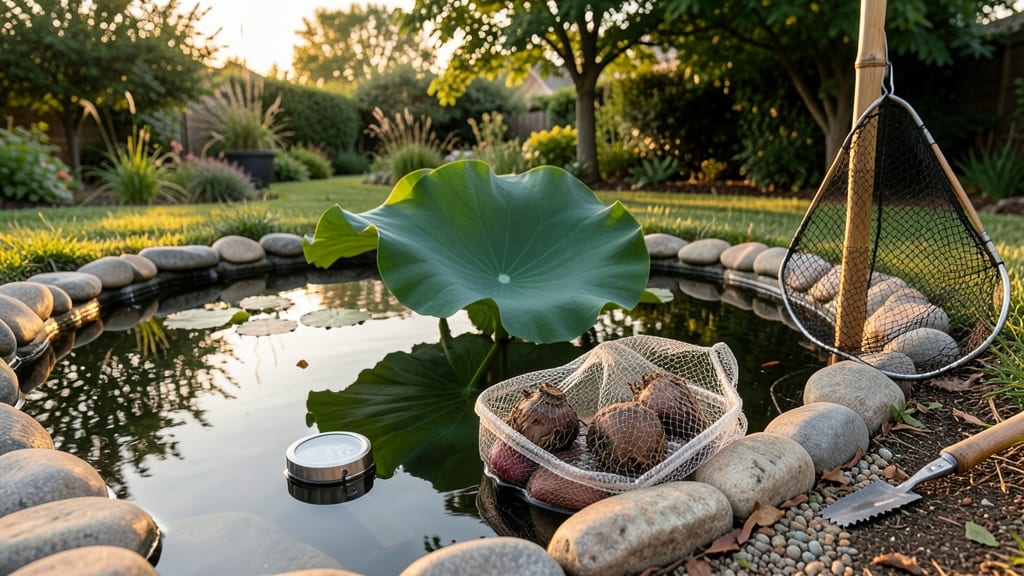
How to grow a water lily in a pond transforms an ordinary backyard into a living painting. 🌸 I've watched ordinary backyard ponds bloom into vibrant ecosystems just by adding these floating jewels—and the secret isn't complicated. The magic starts with the right variety for your climate and pond depth. Tropical lilies need warm water and summer-long warmth, while hardy types like 'Helvola' or 'Minnesota' survive winters in colder zones. Plant them in containers with heavy rocks to keep them anchored while allowing roots to spread. Within weeks, you'll see those first delicate pads breaking the surface, followed by blooms that last from early summer through fall. The fragrance alone makes it worth the effort, but the real reward is watching dragonflies and bees visit your underwater oasis. Avoid overcrowding (keep plants 2-3 feet apart) and feed them with slow-release fertilizer tabs in spring. With minimal care, these plants multiply yearly, creating more surface coverage and cleaner water through their natural filtration.
📚 In This Guide
- What you need
- Instructions
- Tips and common mistakes
- Wrapping up and next steps
What you need
- ● Water lily plants: 1–3 hardy or tropical varieties (e.g., Nymphaea spp.), sized for your pond depth (shallow: 1–3 ft; deep: 3–6 ft).
- ● Pond: Minimum 18" depth (deeper for tropical lilies) with partial sun (4–6 hours/day).
- ● Pond fertilizer: Slow-release tabs (e.g., Miracle-Gro Pond Care) or liquid plant food (follow package rates).
- ● Potting soil: 1–2 bags of anaerobic pond soil (e.g., Aquascape or Gardeners.com brands) to prevent root rot.
- ● Containers: 2–3 heavy-duty pots (12–18" diameter) with drainage holes, or pond baskets (for tropical lilies).
- ● Gravel or pebbles: 1–2 lbs to weigh down pots and cover roots (¼"–½" size).
- ○ Water testing kit: Optional but helpful to check pH (6.0–7.5 ideal) and nutrients.
- ● Floating plant barriers: To protect lilies from fish or wind (e.g., floating rings).
- ● Pond dye: Shade tablets to reduce algae (use sparingly).
- ● Decorative rocks: For aesthetics around the pond edges.
- ● Water pump/fountain: For circulation (especially in still ponds).
- ● Winterizing kit: If in cold climates (e.g., pond blankets or submersible heaters).
Step-by-step instructions for planting water lilies in your pond
Here's how I transform any pond into a lush, low-maintenance water garden—no fancy equipment needed.
🪴 Step 1: Choose the Right Location and Planting Depth
Water lilies thrive in 6-12 inches of water for tropical varieties or 12-18 inches for hardy types. I always measure depth from the top of the soil in the container to the water surface. Place your lily in a spot with at least 6 hours of sunlight daily—partial shade will stunt growth and reduce blooms.
If your pond has varying depths, use a weighted basket or floating platform to maintain the correct water level. I like to position mine where sunlight hits early morning to avoid afternoon heat stress. Look for areas with gentle currents—they help distribute nutrients naturally.
🌱 Step 2: Plant the Tubers Correctly for Strong Growth
Place the bare-root tuber in the center of your planting basket, with the eyes (growth points) facing upward. Cover the roots with 2-3 inches of aquatic soil mix—never use garden soil, as it compacts and suffocates roots. Press lightly to eliminate air pockets, but don't pack it down too firmly.
For potted lilies, simply submerge the entire container to the recommended depth. I always check the water level after planting—if it's too shallow, the tuber will bake in the sun and rot. You'll see new shoots emerge in 2-4 weeks during warm weather, signaling healthy root establishment.
☀️ Step 3: Maintain Water Quality and Light Exposure
Water lilies absorb excess nutrients, so they help keep ponds clean—but they still need moderate fertilization. I add slow-release aquatic plant tabs every 6-8 weeks during growing season. Over-fertilizing causes algae blooms, which smother lily roots.
Watch for yellowing leaves—this usually means too much sun or poor water circulation. If leaves appear crispy at the edges, your lily is thirsty (add more water) or sunburned (provide afternoon shade). In cooler climates, expect dormancy in winter; simply remove dead foliage and store tubers in pebbles and barely moist soil at 40-50°F until spring.
✂️ Step 4: Prune and Divide for Long-Term Health
After the first blooming season, trim spent flowers to redirect energy to new growth. I also remove any yellow or mushy leaves—these indicate disease or rot. For established plants, divide tubers every 2-3 years to prevent overcrowding. Simply separate the rhizomes into 3-4 inch sections, each with at least one eye, and replant.
This ensures vigorous blooms year after year. I like to divide in early spring before new growth starts—it gives the plants time to establish before summer heat. If you notice fewer blooms, your lily may need more sunlight or nutrients, not just pruning.
Tips & tricks for perfect water lily pond planting
Between us, these little details make all the difference when your water lilies go from struggling to stunning.
Depth Precision: That 6-12 inch range for tropical varieties isn't just arbitrary—it's about oxygen balance. Measure from soil surface to water line, not the pond bottom. I use a simple tape measure tied to a weight to check depth after planting. Too shallow and roots suffocate; too deep and blooms won't surface properly.
Sunlight Strategy: Those critical 6 hours of sunlight should be morning sun, not afternoon. I've seen lilies scorch when planted in full afternoon sun—leaves turn crispy and brown. Position your lilies where sunlight hits between 8am-2pm for ideal growth without heat stress.
Soil Selection: Never use garden soil in planting baskets—it compacts underwater and blocks oxygen. I mix equal parts aquatic soil with perlite for drainage. For potted lilies, use a specialized aquatic potting mix that stays loose even when submerged.
Winter Prep: The 40-50°F storage temperature is crucial for winter survival. I use a plastic storage bin with a mix of pebbles and barely moist soil to prevent rot. Place the container in a cool garage or basement where temperatures stay consistent—never near freezing windows or heat vents.
Pro Tips for Grow Water Lily In Pond
- Between us, these little details make all the difference when your water lilies go from struggling to stunning.
- Depth Precision: That 6-12 inch range for tropical varieties isn't just arbitrary—it's about oxygen balance. Measure ...
- Sunlight Strategy: Those critical 6 hours of sunlight should be morning sun, not afternoon. I've seen lilies scorch w...
Frequently asked questions
Got questions about growing water lilies? You’re not alone! Here are some of the most common concerns—and their solutions—to help you cultivate stunning aquatic beauty like a pro.
How deep should my pond be for water lilies?
Most water lilies thrive in 12–24 inches of water, but hardy varieties (like Nymphaea odorata) can grow in as little as 6 inches. For tropical species, aim for 18+ inches to keep roots cool. Shallow ponds? Opt for dwarf varieties or floating plants like water hyacinth as alternatives!
When is the best time to plant water lilies?
Plant in early spring (after last frost) or late summer for best results. Lilies planted in spring have time to establish roots before winter, while late-summer planting avoids heat stress. If using dormant tubers, soak them in water for 24 hours before planting to kickstart growth!
Will water lilies attract pests like mosquitoes?
No—they’re mosquito-repellent superstars! Their dense foliage blocks sunlight, preventing larvae from hatching. However, stagnant water or decaying plant matter can attract pests. Keep your pond clean, add a small fountain for circulation, and remove dead leaves regularly to stay pest-free.
Can water lilies survive winter in cold climates?
Hardy lilies (like Nymphaea ‘James Brydon’) can overwinter in USDA Zones 3–10 if planted in deep water (18+ inches). In colder zones, lift tubers in fall, store in peat moss, and replant next spring. Tropical varieties? Treat them as annuals or grow them in containers for easy overwintering indoors.
Why are my water lilies’ leaves turning yellow?
Yellowing leaves usually signal nutrient deficiency, poor water quality, or root rot. Check your pond’s pH (ideal: 6.0–7.5) and fertilize with aquatic plant tabs. If roots look mushy, trim damaged parts and replant in cleaner water. Overcrowding? Thin out plants to improve airflow and light penetration.
What’s a low-maintenance alternative to water lilies?
If lilies seem high-maintenance, try these easy-care pond plants:
- Water Hyacinth: Fast-growing, blooms year-round (but invasive in warm climates).
- Pondweed: Oxygenates water and stays submerged—great for fish ponds!
- Pickerelweed: Hardy, colorful, and thrives in partial shade.
- Water Lettuce: Floating, lush, and perfect for tropical ponds.
Wrapping up and next steps
Growing water lilies in your pond is a rewarding journey that brings natural beauty and serenity to your space! 🌸 With the right location, water depth, and care, these stunning aquatic plants will thrive year-round.
Start small, observe their growth, and soon, you’ll enjoy a vibrant, lush pond that feels like a tranquil escape.
Ready to take the next step? Experiment with different varieties or share your progress with fellow pond enthusiasts—your water lily haven is just beginning to bloom! 🌊