
Trees
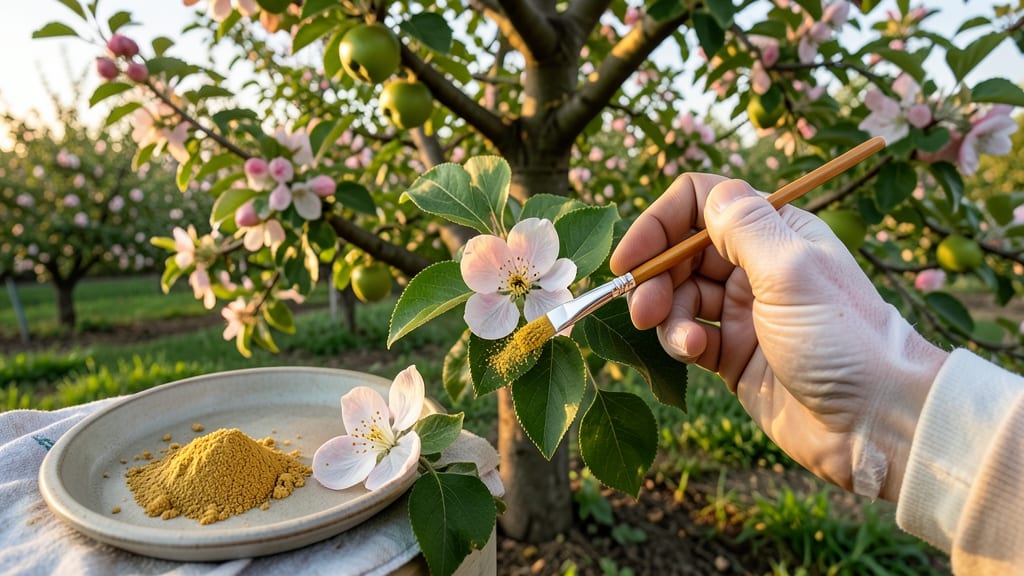
Hand pollinating apple trees turns a blank fruit future into a perfect harvest. 🌳 I’ve watched my own trees struggle with poor fruit set—until I learned this simple technique that boosts production by up to 50%.
The key? Timing, patience, and a soft touch to mimic bees when they’re not around.
You’ll need just a few tools: a small paintbrush or cotton swab, a ladder (for taller trees), and a sunny morning when flowers are open.
The process takes 10-15 minutes per tree, but the payoff is worth it—fewer dropped blossoms, bigger fruit, and a tree that finally lives up to its potential. Even if your tree has plenty of flowers, hand pollination ensures every bloom has a chance.
The best time to act is when 20-30% of blossoms are open, usually in late spring (check your local frost dates). Work gently—too much pressure damages petals—and focus on transferring pollen from one flower to another.
Mistakes like skipping this step or rushing the process can lead to sparse harvests, but once you master it, your tree will thank you with bushels of fruit.
This method works for all apple varieties, whether you’re growing in a backyard, orchard, or even a large container. The secret to perfect fruit set isn’t just technique—it’s consistency.
Once you see those tiny apples forming, you’ll never go back to hoping for the best. Let’s get those trees fruiting like champions.
Understanding Pollination Failures
Pollination is the spark that turns blossoms into fruit, but sometimes, apple trees just don’t get the memo. Whether you’re hand-pollinating or relying on nature, these failures can be frustrating—but understanding the why behind them is the first step to fixing them.
Let’s break down the common culprits that keep your apple trees from bearing fruit.
Apple trees depend on pollinators (like bees) or wind to transfer pollen, but Mother Nature doesn’t always cooperate. Here’s how weather plays a role:
- Cold or Rainy Springs 🌧️❄️ Pollen grains are delicate and can’t survive heavy rain or freezing temperatures. If blossoms open during a cold snap, pollen may wash away or become too stiff to transfer. Even if bees are active, wet conditions can clump pollen into useless masses.
- High Humidity or Wind Too much humidity can cause pollen to stick to flowers instead of being carried away, while strong winds can blow pollen past receptive stigmas entirely. Without the right conditions, even abundant pollen may fail to reach its target.
- Extreme Heat If temperatures soar above 90°F (32°C) during bloom, pollen can become sterile or bees may avoid the flowers altogether. Heat stress also reduces nectar production, making flowers less attractive to pollinators.
Actionable Fix: Monitor your local weather forecast during bloom season. If rain or cold is forecasted, consider hand-pollinating on dry, mild days (ideally 60–75°F / 15–24°C) for the best results.
Not all apple trees are self-pollinating—many need a partner to shake things up genetically. Here’s what goes wrong:
- Self-Incompatible Varieties 🍎🚫 Some apple cultivars (like ‘Granny Smith’ or ‘Fuji’) can’t pollinate themselves and require a different variety nearby. If you only have one tree, it’s like trying to have a conversation with yourself—no fruit will set.
- Declining Bee Populations 🐝💔 Even if you have compatible trees, fewer bees mean fewer visits. Pesticide use, habitat loss, or early spring freezes can wipe out local pollinators, leaving blossoms unpollinated.
- Timing Mismatches If two apple varieties bloom at different times, their pollen won’t sync up. For example, ‘Honeycrisp’ blooms early, while ‘Gala’ might bloom weeks later—missing the window entirely.
Actionable Fix: Plant two compatible varieties within 50–100 feet of each other. If bees are scarce, supplement with hand-pollination or attract them with native flowers and pesticide-free zones.
A stressed apple tree is like a runner with cramps—it just can’t perform. These issues drain energy needed for pollination and fruit set:
- Nutrient Deficiencies 🌱🚫 Lack of nitrogen, phosphorus, or boron weakens blossoms, reducing their ability to produce viable pollen or receptive stigmas. Yellowing leaves or stunted growth are red flags.
- Water Stress 💧🔥 Too little or too much water can shock the tree. Drought causes blossoms to drop early, while waterlogged roots suffocate roots, leading to poor pollen production.
- Pests or Diseases 🐛🍄 Aphids, mites, fire blight, or powdery mildew can damage flowers before pollination occurs. Even if pollen transfers, infected blossoms may abort fruit later.
Actionable Fix: Test your soil and amend with compost or balanced fertilizer before bloom. Water deeply but evenly (1–1.5 inches per week) and treat pests before flowers open to avoid collateral damage.
If you’re taking matters into your own hands, mistakes can still happen. Here’s where things go wrong:
- Wrong Pollen Source 🎯🚫 Using pollen from the same tree (if self-incompatible) or an unrelated variety won’t work. Cross-pollination requires genetic diversity—like mixing ‘Pink Lady’ pollen with ‘McIntosh’ stigmas.
- Improper Timing ⏳🍃 Pollen must land on the stigma when it’s receptive (usually the first 2–3 days after bloom). Applying it too early or late = wasted effort.
- Contamination or Improper Technique 🧪💨 Dirty tools, old pollen, or rough handling can crush pollen grains, reducing viability. Even a light breeze can blow pollen away before it sticks.
Actionable Fix: Use a fine brush or cotton swab to transfer fresh pollen from compatible trees. Pollinate on dry mornings when stigmas are sticky and receptive. Store pollen in a cool, dry place if you need to save it for later.
Sometimes, the air (or soil) is just too toxic for successful pollination:
- Air Pollution 🏭💨 Ozone, sulfur dioxide, or even car exhaust can damage pollen tubes, preventing fertilization. Urban areas often see lower fruit set due to this.
- Soil Contaminants Heavy metals (like lead or copper) or excessive salts can stunt tree growth, leading to weak blossoms. If your soil is compromised, roots can’t support healthy pollination.
Actionable Fix: If you’re in a polluted area, hand-pollination may be your best bet. For soil issues, test and remediate with organic matter or chelated nutrients.
Not sure if your tree’s failure is weather-related, pollinator-dependent, or something else?
Ask yourself: - Did blossoms drop early? → Likely stress or poor weather. - Are there no bees visiting? → Pollinator shortage. - Did you see pollen on stigmas? → Hand-pollination may have missed the mark. - Are leaves yellow or wilted? → Nutrient or water issue.
By pinpointing the root cause, you can target solutions—whether that’s inviting more bees, adjusting your pollination technique, or giving your tree a health boost.
Fixing Common Pollination Problems
Hand pollinating apple trees is a rewarding skill, but even the most careful gardeners can run into challenges—like poor fruit set, weak blooms, or pests disrupting the process.
The good news? Most issues have simple, practical solutions. Below, we’ll tackle the most common problems with clear fixes and prevention tips to keep your apple tree thriving.
Cause: Insufficient pollination, weak blooms, or incompatible pollinators.
How to Fix It: ✅ Boost Pollination Efficiency
- Use the right tools: A soft paintbrush or cotton swab works best for transferring pollen. Avoid fingers, as oils can harm delicate stamens.
- Time it right: Pollinate on dry, sunny mornings (6–9 AM) when flowers are fully open. Humidity or rain can wash away pollen.
- Cross-pollinate deliberately: If your tree lacks a partner, find a compatible variety (e.g., ‘Gala’ pairs well with ‘Honeycrisp’) and manually transfer pollen between them.
✅ Support Weak Blooms
- Feed before flowering: Apply a balanced fertilizer (10-10-10) in early spring to encourage strong bloom production.
- Prune for airflow: Thin out dense branches to reduce humidity and disease risk, which can weaken flowers.
💡 Prevention Tip: Plant two compatible apple varieties within 50–100 feet of each other to ensure natural cross-pollination as a backup.
Cause: Bees, mites, or birds disrupting pollination or damaging flowers.
How to Fix It: 🐝 Protect Bees (Your Best Pollinators!)
- Avoid pesticides: Skip chemical sprays while flowers are open. Opt for neem oil (diluted) or soapy water sprays (1 tsp mild soap per quart of water) to deter pests without harming bees.
- Create a bee-friendly zone: Plant clover, lavender, or sunflowers nearby to attract beneficial pollinators.
🦟 Combat Mites or Aphids
- Blast off pests: Use a strong stream of water to dislodge mites or aphids from flowers.
- Introduce predators: Ladybugs or lacewings naturally control soft-bodied pests—buy them online or attract them with diverse plantings.
🐦 Deter Birds
- Hang reflective tape or old CDs from branches to scare off pecking birds.
- Use netting over young blossoms if birds are a persistent issue.
💡 Prevention Tip: Monitor trees daily during bloom season. Early intervention prevents small issues from becoming major problems.
Cause: Frost, heatwaves, or heavy rain washing away pollen.
How to Fix It: ❄️ Frost Damage
- Cover trees at night with frost cloth if a late frost is forecasted during bloom.
- Choose late-blooming varieties (e.g., ‘Granny Smith’) if your area has unreliable springs.
☀️ Heat Stress
- Water deeply the day before pollination to keep flowers hydrated.
- Pollinate early (before 9 AM) to avoid midday heat weakening stamens.
🌧️ Rainy Conditions
- Schedule pollination for the next dry day—pollen won’t stick in wet conditions.
- Use a waterproof pollen collector (like a fine mesh bag over flowers) to preserve pollen for later use.
💡 Prevention Tip: Check the 10-day forecast before pollinating. Plan your efforts around stable weather windows.
Cause: Poor nutrient uptake, hormonal imbalances, or over-thinning.
How to Fix It: 🍏 Balance Fruit Load
- Thin fruits early: Remove 50% of excess fruit when they’re the size of a dime to prevent the tree from overloading.
- Use pruning shears or scissors (not your hands) to avoid spreading disease.
🌱 Boost Tree Health
- Apply calcium spray (like calcium nitrate) to prevent bitter pit and improve fruit retention.
- Mulch with compost to retain moisture and nutrients in the soil.
💡 Prevention Tip: Fertilize in stages—apply half the recommended dose at bloom time and the rest after fruit set to avoid shocking the tree.
Cause: Using dirty tools, improper pollen transfer, or skipping steps.
How to Fix It: 🧹 Keep Tools Clean
- Sanitize brushes/swabs with rubbing alcohol between trees to avoid cross-contamination.
- Use sterile gloves if handling multiple varieties to prevent pollen mixing.
🎯 Master the Transfer
- Collect pollen fresh: Tap stamens onto a clean surface (like parchment paper) and brush it onto pistils immediately.
- Focus on the center: The stigma (pistil’s tip) is the target—gently press pollen onto it.
⏰ Stick to the Schedule
- Repeat every 2–3 days during peak bloom (usually 7–10 days) for maximum coverage.
- Label your trees if working with multiple varieties to avoid confusion.
💡 Pro Tip: Take photos of your process the first time—it helps refine technique for next season!
Final Thought: 🌟 Hand pollination is as much about patience as precision. With these fixes, you’ll troubleshoot issues quickly and set your apple tree up for a bountiful harvest. Happy pollinating!
Frequently asked questions
What’s the best time of day to hand pollinate apple trees?
Pollinate on dry mornings between 6–9 AM when flowers are fully open and stigmas are sticky. Humidity or midday heat can reduce pollen viability, while morning dew ensures fresh pollen transfer. Avoid evenings when flowers begin to close.
Can I use any paintbrush for hand pollination?
No—use a soft, fine-tip brush (like a makeup brush) to avoid damaging delicate stamens. Avoid stiff bristles or fingers (your oils can harm pollen). For large trees, consider a cotton swab for precision. Always sanitize tools with rubbing alcohol between trees.
How do I know if my apple tree needs hand pollination?
Check for these signs: few/no bees visiting, self-incompatible varieties (like ‘Granny Smith’), or poor fruit set despite many blossoms. If your area has cold/wet springs or declining pollinator populations, manual help increases success rates by up to 50%.
What happens if I pollinate too late in the season?
Late pollination (after 3 days of bloom) reduces fruit set because stigmas become less receptive. Focus on the first 7–10 days of peak bloom. If you miss the window, try again the next season—patience pays off for better harvests!
Do I need to pollinate every single flower?
No—pollinate 20–30% of flowers for optimal results. Over-pollination can stress the tree. Prioritize healthy blossoms on younger branches (they produce larger fruit). Skip damaged or diseased flowers entirely.