
How To
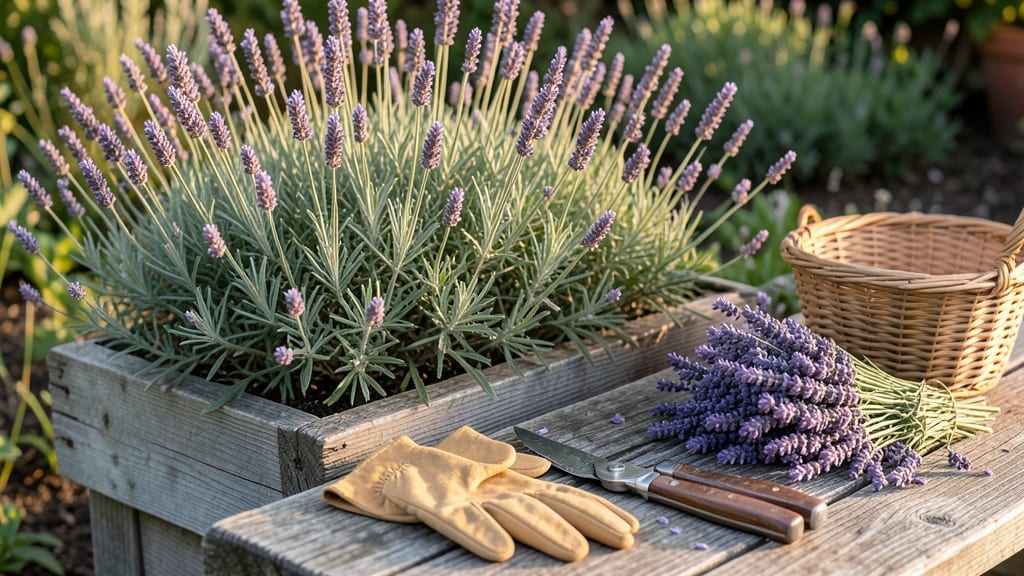
Harvesting English Lavender at the right time transforms your garden from a simple plot into a fragrant treasure trove—peak aroma and oil content are everything, and timing is the secret weapon every gardener needs.
If you’ve ever wondered why some lavender bundles smell like heaven while others barely whisper a scent, it’s not just luck—it’s science. The best harvest window for English Lavender 🌿 is mid-to-late summer, when buds form but haven’t fully bloomed.
This is when the essential oils that give lavender its signature fragrance are at their strongest, and cutting at the wrong time can leave you with weak, flavorless stems.
I’ll walk you through the exact steps to harvest your lavender like a pro—from the perfect cutting height (never more than one-third of the plant) to the best time of day to avoid wilting.
Whether you’re drying bundles for sachets or pruning to encourage new growth, these techniques will maximize your yield without harming your plants.
Ready to turn your lavender into a year-round source of relaxation and beauty? Let’s dive into the easiest way to harvest, preserve, and enjoy your crop—no guesswork required.

Best time to harvest English lavender for maximum aroma and oil content
Harvesting your English lavender at the right time ensures the strongest fragrance and highest essential oil content. The optimal window is just as the buds form but before they fully bloom—typically July through September in most climates.
This timing captures the peak aromatic compounds while preserving the plant’s health for future growth.
Morning harvests are ideal because the dew has evaporated but the heat hasn’t yet stressed the stems. Avoid harvesting after noon, as the oil content can degrade from midday heat. If you miss the early window, late morning (before 10 AM) is the next best option.
Climate plays a critical role in timing. In cooler regions (USDA Zones 5-6), lavender may bloom earlier, so watch for bud swelling rather than relying on calendar dates. In warmer zones (Zones 7-9), lavender often flowers later—sometimes as late as October—so adjust accordingly.
Never harvest after the first frost, as cold temperatures damage the stems and reduce oil quality. If frost threatens before your lavender blooms, prune lightly to encourage new growth for next season.
🌿 English Lavender Harvest Timeline
| Stage | Action | Notes |
|---|---|---|
| Early Spring | Prune dead stems | Encourages new growth |
| June-July | Monitor bud formation | Harvest when 1/3 of buds are open |
| July-September | Harvest at peak bloom | Best aroma and oil content |
| October | Final light pruning | Prevents winter damage |
For maximum essential oil yield, research shows harvesting just before full bloom increases oil content by up to 30% compared to waiting for full flowers. The buds contain the highest concentration of linalool and linalyl acetate, the compounds responsible for lavender’s signature scent.
If you’re growing lavender for culinary uses, harvest when 10-15% of buds are open—the flavor is milder but still vibrant. For potpourri or sachets, wait until 20-30% of buds bloom to capture a fuller aroma.
Always leave at least 1/3 of the plant unharvested to ensure healthy regrowth. Over-harvesting weakens the plant and reduces next year’s yield. In container gardens, be even more conservative—smaller plants need extra time to recover.
Pro tip: Use a sharp pair of pruners or clean scissors to cut stems at a 45-degree angle just above a leaf node. This encourages new side shoots and keeps the plant bushy.
🌸
Step-by-step cutting techniques to preserve lavender quality
Harvesting English lavender correctly ensures maximum aroma and long-lasting bouquets. Start by selecting healthy stems with woody bases but still flexible branches. Use sharp pruning shears or clean scissors to avoid crushing the stems—this preserves the essential oils that give lavender its signature scent.
Cut stems at a 45-degree angle about 3 inches above a leaf node. This encourages new growth while keeping the plant compact and bushy. Avoid cutting into old wood, as it won’t regrow.
For bigger bunches, harvest 3-5 stems at once to create a full, fragrant bundle that dries beautifully.
🌿 Step-by-Step Lavender Harvesting Guide
- Choose the right time: Harvest in morning hours after dew evaporates (6-9 AM).
- Select stems: Pick 1/3 of the plant to avoid over-harvesting.
- Cut properly: Use sharp shears at a 45-degree angle.
- Bundle stems: Tie with twine or rubber bands for drying.
- Dry thoroughly: Hang upside down in a dark, dry place for 2-3 weeks.
After cutting, remove lower leaves to prevent mold during drying. Bundle stems with twine or rubber bands and hang them upside down in a well-ventilated, dry area. Avoid direct sunlight, which can bleach the color and reduce scent.
A dark closet or attic with good airflow is ideal for preserving lavender’s vibrant purple hue and aromatic oils.
Once fully dried, store lavender in airtight containers away from light. For long-term storage, place bundles in paper bags to allow airflow while keeping pests out. If you’re using lavender for culinary or craft purposes, crush the dried buds slightly to release more fragrance.
Pro tip: Rotate harvesting areas in your garden to ensure even growth. Avoid harvesting from the same spot repeatedly, as this can weaken the plant over time. With proper technique, you’ll enjoy fragrant lavender for years to come!
🌸