
How To
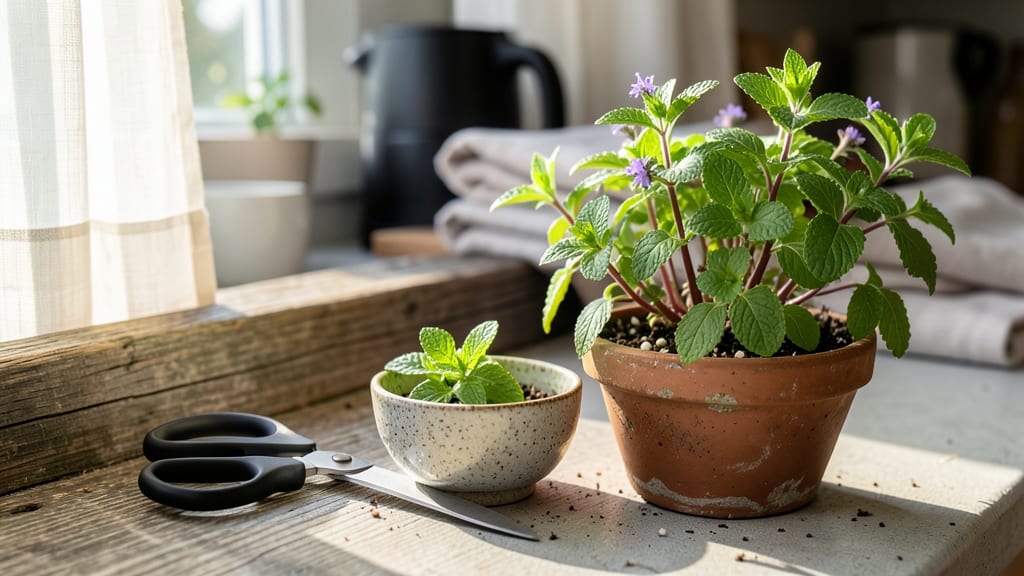
There’s nothing quite like the burst of fresh flavor from your own homegrown mint—but only if you harvest it right.
Whether you’re growing it in a sunny windowsill or a shady garden bed, knowing the perfect time and technique makes all the difference between wilted stems and a thriving, aromatic plant.
Mint isn’t just a pretty herb—it’s a powerhouse that rewards patience with stronger, bushier growth when you trim it correctly. From the best time of day to cut (hint: morning!) to which stems to snip for maximum regrowth, these simple steps will keep your mint flourishing all season long.
I’ve learned the hard way that harvesting mint isn’t just about grabbing leaves—it’s about working with the plant. You’ll discover how to avoid common mistakes that leave your mint leggy or sparse, plus tips for storing your harvest so it stays vibrant for cooking, teas, or even DIY remedies.
Ready to turn your mint patch into a year-round flavor factory? Let’s dive into the easiest, most effective ways to harvest mint so you’re always stocked with the freshest, most potent leaves—no green thumb required.

The best time to harvest mint for maximum flavor and growth
Harvesting your fresh mint at the right time ensures both peak flavor and vigorous regrowth. The best time to harvest is when your mint plant has reached 4-6 inches tall and has 6-8 pairs of true leaves.
This usually happens 3-4 weeks after planting, but timing depends on your climate and growing conditions.
For maximum minty potency, always harvest in the morning after dew has dried. This is when the essential oils in the leaves are at their highest concentration.
Avoid harvesting in the evening or after rain, as this can dilute the flavor and increase the risk of fungal diseases.
Seasonal changes also play a role in mint harvesting. During spring and summer, mint grows rapidly and can be harvested every 4-6 weeks to encourage bushier growth.
In fall, reduce harvesting frequency as growth naturally slows down. By late autumn, mint may go dormant, so avoid heavy harvesting during this time.
🌿
- 🌱 First Harvest: 3-4 weeks after planting (stems 4-6 inches tall, 6-8 leaf pairs)
- 🌞 Best Time of Day: Morning (after dew dries, before 10 AM) for peak flavor
- 🌿 Spring/Summer: Every 4-6 weeks to encourage regrowth
- 🍂 Fall: Reduce frequency as growth slows (avoid heavy harvests)
- ❄️ Winter: Minimal harvesting; plant may go dormant
Harvesting mint in the right season also affects its aroma and oil content. Mint grown in cool spring weather tends to have a sweeter, milder flavor, while summer-grown mint is often stronger and more pungent.
If you're growing mint for culinary uses, harvest in late summer for the boldest flavor. For tea or aromatherapy, spring harvests provide a gentler, more aromatic experience.
One pro tip for maintaining a continuous mint harvest is to avoid cutting more than one-third of the plant at a time. This prevents over-stressing the plant and allows it to recover quickly.
If you're growing mint in containers, be especially mindful of this rule, as potted plants have limited root space and may struggle to bounce back from heavy harvesting.
When harvesting, always use clean, sharp pruning shears or scissors to make clean cuts. Avoid tearing leaves, as this can damage the plant and make it more susceptible to pests and diseases. Cut just above a leaf node or set of leaves to encourage new growth from that point.
If you're growing multiple varieties of mint, like peppermint, spearmint, or chocolate mint, each may have slightly different harvesting times. For example, peppermint often matures faster than spearmint, so you may need to adjust your harvesting schedule accordingly.
Always check the specific care requirements for your mint variety to ensure optimal results.
Finally, keep an eye out for signs of over-harvesting, such as yellowing leaves, stunted growth, or bare stems. If you notice these issues, scale back on harvesting and focus on providing proper care, including adequate water, sunlight, and nutrients, to help your mint recover.
☀️
Step-by-Step guide to trimming mint for bushier, healthier plants
Harvesting mint isn’t just about snipping leaves—it’s about encouraging regrowth and keeping your plant lush and productive. The key is to trim strategically, using the right tools and techniques to avoid stressing your mint.
Whether you’re growing it in containers or garden beds, these steps will help you maintain a bushy, flavorful harvest all season.
Start by gathering your pruning tools. A sharp pair of clean scissors or pruners is ideal—avoid using dull tools that can damage stems. For container-grown mint, hand pruners work perfectly, while garden shears are better for larger patches.
Always sterilize your tools with rubbing alcohol to prevent spreading disease between cuts.
Timing matters too. The best time to trim mint is in the morning, after the dew has dried but before the heat of the day.
This ensures your plant has time to recover and reduces stress. Never harvest wilted or diseased leaves—remove them separately and dispose of them far from your garden to prevent contamination.
How to Trim Mint for Bushier Growth
- 🌱 Step 1: Identify New Growth
Look for new stems with 4-6 inches of height and at least 3-4 pairs of leaves. These are prime candidates for trimming. - 🌿 Step 2: Cut Above a Leaf Node
Make your cut just above a set of leaves (the node) using a 45-degree angle. This encourages branching and thicker growth. - ✂️ Step 3: Avoid Over-Trimming
Never remove more than one-third of the plant at once. This prevents shock and ensures your mint keeps producing new shoots. - 🌿 Step 4: Focus on Outer Stems
Trim the outermost stems first to promote airflow and reduce fungal risks. This also keeps your plant from becoming too leggy. - 💧 Step 5: Water After Trimming
Give your mint a deep watering after pruning to help it recover. This is especially important in hot or dry conditions.
For container-grown mint, you can also pinch off the top sets of leaves with your fingers to encourage bushier growth. This method is perfect for small pots and keeps your plant compact.
If your mint starts to flower, remove the flower buds immediately—they signal the end of the growing season and can make the leaves less flavorful.
Regular trimming every 4-6 weeks keeps your mint healthy and productive. In late summer or early fall, reduce harvesting to allow the plant to store energy for next year. With the right approach, your mint will reward you with abundant, aromatic leaves all season long.