
How To
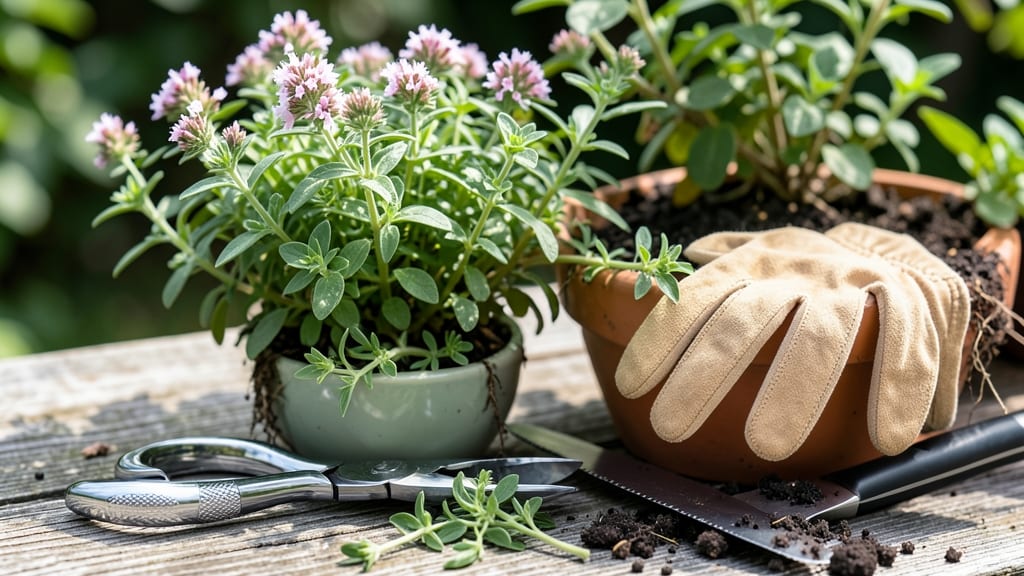
Want to learn how to harvest fresh oregano from your plant and turn it into a flavor powerhouse without sacrificing its health? Harvesting at the right time isn't just about snipping leaves—it's about unlocking bold, aromatic flavors while keeping your plant thriving for years.
Timing is everything. If you harvest too early, you'll miss peak flavor, and if you wait too long, your oregano may start flowering, weakening its potency.
The secret lies in knowing when those leaves are at their most vibrant—typically between June and September—and how to prune them without stunting growth.
I’ll walk you through the exact steps to harvest your oregano for maximum flavor, from identifying the perfect stems to storing your bounty. Plus, you’ll discover how to encourage your plant to regrow bushier and stronger after each cut.
Ready to transform your kitchen with homegrown oregano that tastes better than anything store-bought? Let’s get started.

Best time to harvest oregano for peak flavor and plant health
Timing your oregano harvest is everything—pick too early, and you’ll miss out on bold flavors. Harvest too late, and the plant’s energy shifts to flowering, leaving your leaves bitter and less aromatic.
The ideal harvest window spans from late spring through early fall, typically June to September in most climates. This aligns with your oregano’s growth peak, when leaves are fully developed and packed with essential oils.
For the strongest flavor, focus on harvesting before flowering. Once your oregano sends up those pretty white or purple blooms, its aromatic compounds start declining. The plant redirects energy to seed production, leaving your leaves with a milder taste.
Think of it like catching a wave—harvest at the crest for maximum impact, then let the plant recover for the next cycle.
Here’s how to spot ready-to-harvest oregano: - Dark green, fully formed leaves (no more fuzzy baby foliage) - Strong, pleasant aroma when crushed between your fingers - Stems that are slightly woody but still bendable (not brittle) - At least 4-6 inches of new growth since your last harvest
| Stage | Harvest Readiness | Flavor Impact | Plant Health |
|---|---|---|---|
| Early Spring | Not ready (small leaves, weak aroma) | Mild, underdeveloped | Focus on growth, avoid pruning |
| Late Spring | Ready (4-6" growth, strong scent) | Bold, aromatic peak | Encourage bushier growth |
| Summer (Pre-Flowering) | Optimal (dark green, woody stems) | Maximum potency | Regular pruning promotes density |
| Early Fall | Still good (avoid frost) | Strong, but slightly less intense | Prepare for dormancy |
| Late Fall/Winter | Avoid (dormant or dead) | N/A (no harvest) | Protect from frost |
Seasonal timing matters too. In USDA Zone 6a, where frost-free days stretch from April 15 to October 15, aim to finish your last harvest by early September. This gives your plant 6-8 weeks to recover before winter dormancy.
If you’re in a warmer zone, you might extend harvesting into October, but always stop before the first frost hits.
Pro tip: Morning harvests yield the freshest oregano. Leaves contain the most essential oils after a night’s rest, so grab your shears right after the dew dries (around 8-10 AM).
This also gives your plant the entire day to recover before evening temperatures drop. Avoid harvesting after rain—wet leaves can develop fungal issues if not dried properly.
One common mistake? Waiting until the plant is overgrown or flowering. By then, the flavor is compromised, and the plant may struggle to bounce back. Instead, make regular, light harvests every 4-6 weeks during the growing season.
This mimics natural pruning, encouraging your oregano to branch out and produce more flavorful leaves. Think of it like trimming your hair—small, frequent cuts keep it healthy and full.
For container-grown oregano, timing is even more critical. Since pots dry out faster, your plant may enter stress mode quicker. Monitor soil moisture and harvest only when the plant shows 4-6 inches of new growth.
Over-harvesting can weaken roots, especially in small containers. If your oregano looks leggy or sparse, it’s begging for a break—scale back harvests until it regains vigor.
Finally, don’t overlook the regrowth signal: new shoots emerging from the base. This means your plant is recovering well and ready for another harvest in 4-6 weeks. If you see bare stems or yellowing leaves, you’ve pushed too hard—time to pause harvesting and focus on care.
Balance is key: feed your plant, water wisely, and it’ll reward you with years of abundant, flavorful oregano.
Step-by-step oregano harvesting techniques for maximum regrowth
Harvesting oregano correctly isn’t just about plucking leaves—it’s about encouraging bushier growth and preserving that signature flavor. Start by using clean, sharp pruning shears or even your fingers for small stems. This prevents damaging the plant while giving you the freshest leaves for cooking or drying.
Focus on harvesting before flowering, when the plant’s essential oils peak. Once flowers appear, the flavor intensifies but at the cost of reduced regrowth potential. Aim for 3-4 inches of new growth between harvests to keep your oregano thriving.
🌿 Step-by-Step Oregano Harvesting Guide
- Step 1: Identify mature stems with 4-6 dark green leaves—these are ready for harvest.
- Step 2: Hold the stem firmly and cut just above a leaf node (where new growth emerges).
- Step 3: Harvest 1/3 of the plant max to avoid over-stressing it.
- Step 4: Rinse leaves under cool water to remove dirt, then pat dry.
- Step 5: Store in the fridge for up to 2 weeks or dry for long-term use.
For bushier regrowth, avoid cutting the main central stem. Instead, trim outer stems to encourage lateral branching. This creates a fuller plant and more leaves for future harvests. If your oregano looks leggy, it’s a sign it needs more frequent pruning.
Never cut more than 1/3 of the plant at once, especially in hot weather. This can shock the plant and lead to stunted growth or even death. Always harvest on a dry, sunny morning to reduce stress and allow the plant to recover quickly.
After harvesting, mulch around the base with straw or compost to retain moisture and nutrients. This simple step helps your oregano bounce back faster, ensuring you’ll have fresh leaves for months to come.
With the right technique, your plant will reward you with abundant regrowth and even stronger flavor next season.