
Flowers
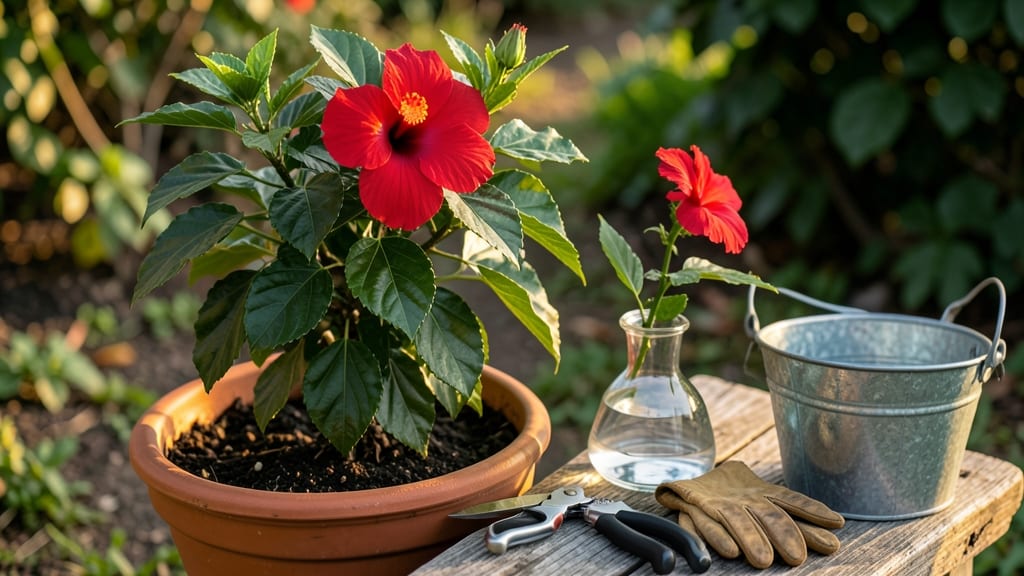
The perfect timing for harvesting hibiscus flowers
Timing is everything when harvesting hibiscus flowers. Picking them at the right moment ensures vibrant colors, crisp petals, and maximum usability—whether for floral arrangements, teas, or culinary uses.
The key is to harvest when flowers are fully open but still fresh and firm, typically in the morning after dew dries. This timing preserves moisture and prevents wilting.
Hibiscus blooms usually reach peak harvest readiness between July and September, depending on your climate zone. In warmer regions like USDA Zone 9-11, you might start as early as June, while cooler zones (like Zone 6-8) may see harvests extend into October.
Pay attention to your local frost dates—hibiscus plants can’t handle frost, so harvest before the first chill hits.
Here’s the golden rule: Harvest flowers that are fully unfurled and bright in color. A gentle tug test works too—if the flower detaches easily with a slight pull, it’s ready. Avoid harvesting buds or partially open flowers, as they won’t reach their full potential and may wilt quickly.
Morning harvests are non-negotiable for hibiscus flowers. The cool temperatures and high humidity of early morning help preserve moisture in the petals, keeping them fresh longer.
If you must harvest later in the day, do so in the late afternoon to avoid the peak heat, which can cause petals to wilt within hours. Pro tip: Place harvested flowers in a bucket of cool water immediately to extend their vase life.
Seasonal timing also matters. In tropical climates, hibiscus may bloom year-round, but the most vibrant flowers appear during summer months. If you’re growing hibiscus in containers, harvest more frequently—these plants often produce flowers faster than their in-ground counterparts.
Just ensure you’re not over-harvesting, as this can stress the plant and reduce future blooms.
Another pro move? Harvest flowers when they’re still slightly closed in the morning if you plan to use them for drying or teas. This allows them to open fully during the drying process, preserving their shape and color.
For floral arrangements, however, fully open flowers are best—they’ll last longer in water and maintain their dramatic appearance.
Watch for pest signs like chewed petals or holes, which can ruin your harvest. If you notice aphids or spider mites, treat the plant with neem oil or insecticidal soap a few days before harvesting to avoid contaminating your blooms.
Always use clean, sharp tools to prevent disease transmission between cuts.
Finally, consider the moon phase if you’re harvesting for medicinal or culinary uses. Some gardeners swear by harvesting during a waxing moon for enhanced potency, though this is more folklore than science. The real magic happens in the timing of day and the health of the plant—not astrology.
Ready to harvest? Grab your pruners or clean scissors, head out at dawn, and enjoy the process. The right timing turns a simple harvest into a vibrant, long-lasting success—whether you’re crafting bouquets, brewing tea, or savoring the beauty of your garden. 🌿
The perfect timing for harvesting hibiscus flowers
Timing is everything when harvesting hibiscus flowers. The best time of day is early morning after the dew has evaporated but before the sun peaks. This ensures maximum freshness and vibrant colors.
Flowers harvested at this time retain their moisture and structural integrity longer, whether you're using them for arrangements, teas, or culinary dishes.
Look for fully open blooms with bright, crisp petals. A firm green stem is another key indicator of readiness. Avoid harvesting flowers that are budding or already wilting, as they won’t yield the best results for any of your intended uses.
The seasonal peak for hibiscus harvesting is typically mid-summer to early fall, depending on your climate zone.
🌸 Hibiscus Harvest Timing Guide
| Factor | Details | Best Practice |
|---|---|---|
| Time of Day | Morning (6-9 AM) | Harvest after dew dries for crisp petals |
| Bloom Stage | Fully open | Avoid buds or wilting flowers |
| Season | Mid-summer to early fall | Peak harvest window for vibrant blooms |
| Weather | Dry, sunny conditions | Avoid harvesting after rain or humidity |
| Stem Condition | Firm and green | Cut stems at 45° angle for better water uptake |
If you're harvesting hibiscus for culinary or medicinal uses, focus on varieties like Hibiscus sabdariffa, which are specifically cultivated for their edible flowers and calyces. These should be harvested when the calyx (the green part below the petals) is fully ripe and slightly soft to the touch.
For decorative purposes, any fully bloomed hibiscus variety will work, but tropical varieties like Hibiscus rosa-sinensis are particularly prized for their vibrant colors.
Never harvest more than one-third of the blooms from a single plant at one time. This ensures the plant continues to produce flowers throughout the season.
Over-harvesting can stress the plant and reduce future blooms. Always use clean, sharp pruners or scissors to avoid damaging the stems or spreading disease between cuts.
For long-term storage, you can dry harvested hibiscus flowers by hanging them upside down in a well-ventilated, dry area away from direct sunlight. This method preserves their color and shape for later use in teas, potpourri, or dried floral arrangements.
If you're planning to use them fresh, store them in a sealed container in the refrigerator for up to 5-7 days.
Remember, the key to successful hibiscus harvesting lies in patience and attention to detail. By following these timing tips, you’ll ensure your harvested flowers are at their absolute best for whatever creative or practical purpose you have in mind. Happy harvesting! 🌿