
How To
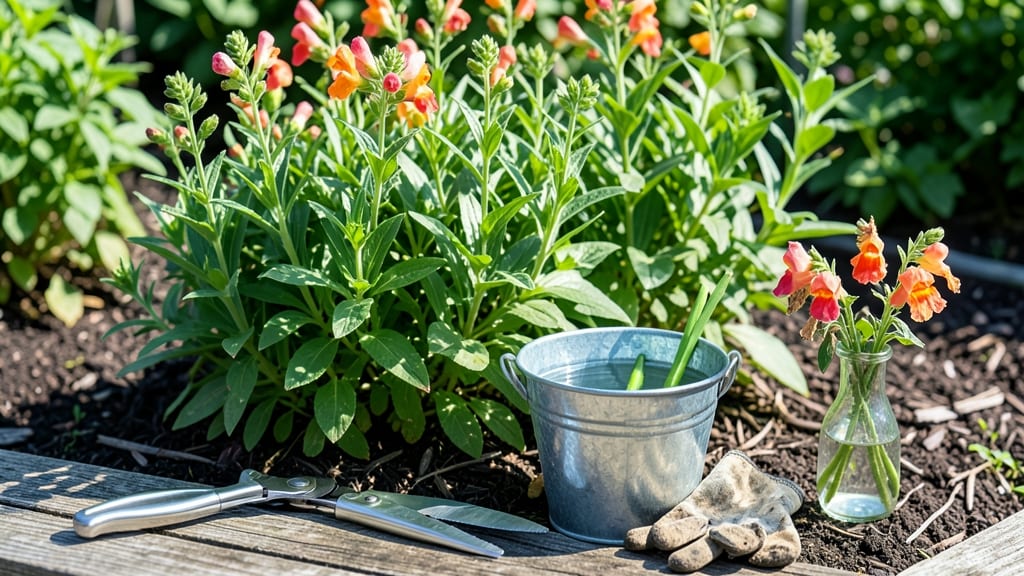
Harvesting snapdragons at the right moment transforms your garden from a one-time burst of color to a continuous display of blooms—like magic for your flowerbeds. 🌸 The key lies in timing: picking flowers just as they fully open ensures your plants keep producing, rather than fading after a single flush.
Whether you're growing tall varieties or compact types, this simple technique will extend your harvest window from June through September.
Most gardeners make one critical mistake—they wait too long, letting flowers wilt before cutting them. That’s when your snapdragons start losing energy, and new buds struggle to form.
Instead, I’ll show you how to spot the perfect moment: buds that snap open like tiny dragon mouths, vibrant petals without browning edges, and stems firm enough to hold a bouquet. With these cues, you’ll never miss the ideal harvest window again.
Once you master the timing, the actual harvesting process is easier than you think. A sharp pair of pruners and a morning routine (when dew is off the petals) are all you need.
Cut stems at a 45-degree angle just above a leaf node, and watch as your plants respond by sending out fresh blooms within weeks. This cut-and-come-again method isn’t just about more flowers—it’s about healthier plants that reward your efforts all season long.
Ready to turn your snapdragon patch into a year-round showstopper? Let’s break down the exact steps, from choosing the right stems to caring for your plants after each harvest. You’ll be arranging stunning bouquets and enjoying lush gardens for months—no guesswork required.

When and how to harvest snapdragons for maximum blooms
Harvesting snapdragons at the right time is the secret to prolonged blooming and healthier plants. Unlike many flowers, snapdragons thrive when you encourage regrowth through strategic harvesting. The key is to cut flowers just before full bloom, when buds are fully open but haven't started wilting.
This triggers new flower production while preserving the plant's energy.
Timing your harvests correctly means you'll enjoy weeks-long flowering seasons instead of a single burst. Morning is the best time to harvest—flowers are hydrated, stems are firm, and you avoid the afternoon heat that can stress the plant.
Always use clean, sharp pruners or scissors to make precise cuts, which prevents disease transmission and promotes faster healing.
Here's what to look for in a ready-to-harvest snapdragon: - Buds that open into their signature dragon-like shape - Vibrant, fully developed colors (no pale or uneven hues) - Firm but flexible stems (not brittle or overly soft) - Petals that are dry at the edges but not wilted
- Step 1: Choose fully open buds with vibrant colors and firm stems.
- Step 2: Use clean pruners to cut 1-2 inches above a leaf node at a 45-degree angle.
- Step 3: Harvest in the morning hours (before 10 AM) for longer vase life.
- Step 4: Remove spent flowers regularly to encourage new blooms.
- Step 5: Space harvests 2-3 weeks apart to prevent plant stress.
Never harvest flowers that are fully open and wilting—this signals the plant to redirect energy to seed production instead of new blooms. Also, avoid cutting stems that are too woody or leggy, as these won't regrow effectively.
For tall varieties, support stems with stakes or cages to prevent flopping, which makes harvesting easier and safer.
The cut-and-come-again method works best when you leave at least 3-4 healthy leaves below your cut. These leaves photosynthesize to fuel regrowth, ensuring your snapdragons keep producing flowers. If you notice yellowing leaves after harvesting, it may indicate over-pruning—adjust your cuts to preserve more foliage.
Regional climate plays a role in harvest timing. In warmer zones (USDA 8-10), snapdragons may bloom earlier and longer, allowing for more frequent harvests from late spring through fall. In cooler climates (USDA 3-6), focus on morning harvests in summer months when temperatures are mild.
Always monitor weather forecasts—hot, dry spells can accelerate wilting, so harvest earlier in the day during heatwaves.
Proper post-harvest care is just as important as the harvest itself. After cutting, place flowers in cool water immediately to extend their vase life. For the plant, water deeply after harvesting to replace lost moisture and apply a balanced fertilizer (5-10-10) to support regrowth.
Avoid fertilizing right after cutting, as this can burn tender new growth.
One common mistake is harvesting too aggressively—this can weaken the plant and reduce future blooms. Limit yourself to 1/3 of the plant's flowers at any single harvest session. For dwarf varieties, be even more conservative, removing only 1-2 flowers per plant every 2-3 weeks.
With the right approach, your snapdragons can bloom continuously from early summer to frost. The secret lies in balancing harvests with plant health—cut when flowers are ready, use proper tools, and give your plants the care they need to rebound beautifully.
Soon, you'll have a never-ending supply of fresh-cut snapdragons for bouquets and garden enjoyment! 🌸✂️🌿
Snapdragon cut-and-come-again method: step-by-step guide
Harvesting snapdragons using the cut-and-come-again method is like giving your plants a spa day—they bounce back with even more blooms! The secret lies in timing and technique. When done right, you’ll enjoy weeks of continuous flowers instead of a single flush.
I’ve learned that patience here pays off, especially with morning harvests when buds are fully open but still crisp.
First, grab your sharp pruning shears or clean scissors. Avoid dull tools—they crush stems and invite disease. Cut stems at a 45-degree angle, about 2 inches below the flower head. This angle helps water flow better, keeping your plants healthy. I always
After harvesting, give your snapdragons a light fertilizer boost with a balanced 5-10-10 mix. I water my plants deeply right after cutting to help them recover. Within 2-3 weeks, you’ll often see new buds forming at the nodes where you made your cuts.
It’s like watching a plant perform a miracle right before your eyes!
For best results, harvest in the morning hours when temperatures are cooler. This prevents wilting and keeps your cut flowers fresh longer if you’re using them in arrangements. I’ve found that weekly harvesting during peak bloom season (June–September) keeps my snapdragons producing like champs.
Just remember: consistency is key—skip a week, and your plant might take longer to bounce back.
If you notice fewer new buds after harvesting, it could mean your plant is stressed. Check for overcrowding or nutrient deficiencies. Snapdragons love well-draining soil and 6+ hours of sun daily.
A little extra compost around the base can work wonders for recovery. With the right care, your snapdragons will keep gifting you with blooms well into fall!
Pro tip: Use your harvested snapdragons in flower arrangements or dry them for winter decor. The cut-and-come-again method isn’t just about extending blooms—it’s about making the most of every season. Now grab those shears and get ready to enjoy a garden that just won’t quit!