
Companion Plants
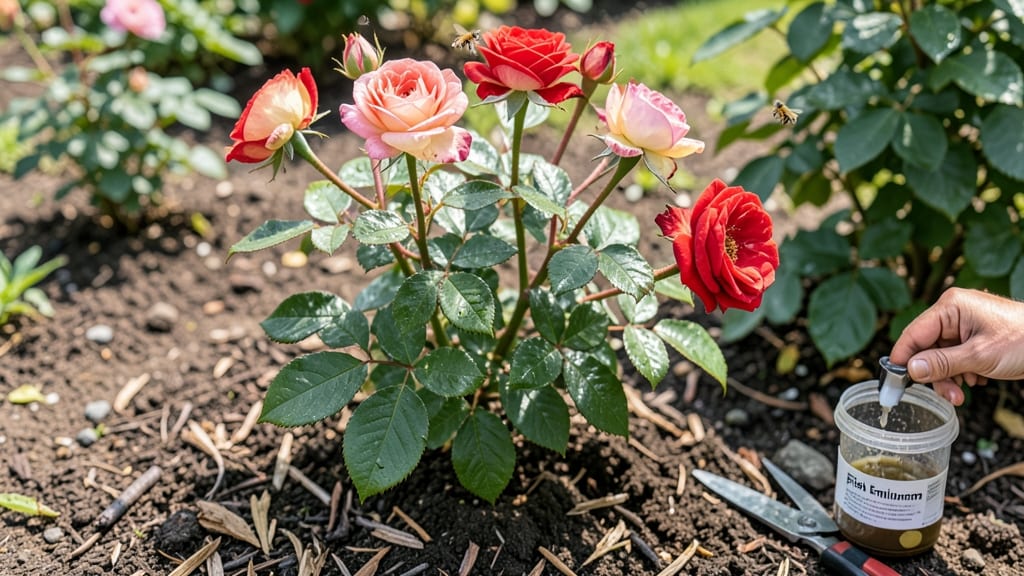
How to increase flowering in rose plants naturally—your roses could be blooming twice as much this season. ✨ The secret isn't expensive fertilizers or fancy tricks—it's three simple natural practices that trigger roses to produce flowers nonstop: strategic pruning, organic feeding, and consistent deadheading.
I've turned my once-sparse rose bushes into flowering powerhouses using only compost tea, well-timed pruning, and a watering schedule that mimics spring rains. The key is understanding what roses actually need—not what garden myths say. Most people over-prune or under-feed, but these techniques work even for beginners.
By summer's end, you'll have roses blooming throughout the season instead of just one big flush in spring. The flowers stay vibrant, the plants stay healthy, and you'll avoid the chemical dependency that weakens roses long-term. It's all about working with nature, not against it.
This method works for hybrid teas, floribundas, and even climbing roses—no matter your climate or garden size. Let's get those blooms going strong without shortcuts or synthetic crutches.
📚 In This Guide
- What you need
- Instructions
- Tips and common mistakes
- Wrapping up and next steps
What you need
- ● Pruning shears: Sharp, clean bypass pruners (or loppers for thicker stems). Pro tip: Disinfect with rubbing alcohol between cuts to prevent disease! 🔪
- ● Garden gloves: Heavy-duty, long-cuffed gloves (e.g., leather or nitrile-coated) to protect from thorns and bacteria.
- ● Compost or well-aged manure: 2–3 gallons per plant (chicken, cow, or worm castings work great!).
- ● Balanced organic fertilizer: Look for a 5-5-5 or 10-10-10 NPK ratio (e.g., fish emulsion, bone meal, or compost tea).
- ● Epsom salt (magnesium sulfate): 1 tablespoon per gallon of water for foliar sprays or soil drenches.
- ● Watering can or hose with a gentle spray nozzle: Avoid blasting stems to prevent fungal issues.
- ● Mulch: 2–3 inches of organic mulch (straw, shredded bark, or wood chips) to retain moisture and regulate soil temp.
- ● Companion plants: Marigolds, lavender, or garlic to deter pests naturally.
- ● Copper fungicide spray: For prevention of black spot or powdery mildew.
- ● pH test kit: To ensure soil pH is between 6.0–6.5 (ideal for roses).
- ● Slow-release granules: Like Osmocote or Algae Meal for extended nutrient release.
Step-by-Step instructions for revitalizing rose blooms naturally
Here's the method I swear by to coax roses into nonstop flowering—no chemicals, just smart care.
✂️ Step 1: Prune for Airflow and Energy Focus
Start in late winter or early spring when roses are still dormant. Cut back last year's growth by one-third, removing any dead, crossing, or inward-growing stems first. This opens up the center of the plant, which is crucial—crowded centers trap moisture and invite disease while starving blooms of energy.
Make cuts just above an outward-facing bud, angled about ¼ inch above it. This ensures water runs off the stem instead of pooling. I always sterilize my pruners with rubbing alcohol between cuts to prevent spreading fungal spores. Watch for "thorns" on the canes—these indicate where new growth will emerge, so position your cuts to encourage outward expansion.
🌿 Step 2: Feed with Organic Matter and Balanced Nutrition
Roses are heavy feeders, but they need the right balance. In early spring, work 3-4 inches of compost into the soil around the base, mixing it in gently to avoid disturbing roots. This provides slow-release nutrients while improving soil structure. I add a handful of bone meal (about ¼ cup per plant) for phosphorus, which is critical for flower development.
Every 4-6 weeks during the growing season, apply a balanced organic fertilizer (like 5-5-5) at half-strength. You'll see it working when new leaves emerge with a deeper green color and stems thicken noticeably. Avoid high-nitrogen fertilizers—they produce lush foliage but fewer blooms. The key is phosphorus and potassium, which you can spot in the middle number of the NPK ratio.
💧 Step 3: Water Deeply and Consistently
Roses need 1-2 inches of water per week, but shallow watering encourages weak roots. Instead, water deeply once or twice weekly, soaking the soil down to 12 inches deep. You'll know you've done it right when water appears at the surface of the soil about 30 minutes after watering—this means it's reached the roots.
Water at the base of the plant in the morning to allow foliage to dry before evening. Wet leaves overnight invite fungal diseases like black spot. Mulch with 2-3 inches of organic mulch (like wood chips or straw) to retain moisture and regulate soil temperature. This also suppresses weeds, which compete for nutrients that could otherwise fuel more blooms.
🌸 Step 4: Deadhead Religiously and Encourage Reblooming
As soon as a rose bloom fades, snip the spent flower head off just above the first set of five leaves below it. This signals the plant to redirect energy into producing new buds rather than seeding. I use clean, sharp scissors for this—it's faster than pruners and less damaging to the stem. You'll see new side shoots forming within 2-3 weeks if the plant is healthy.
For hybrid teas and floribundas, pinch back the tips of new growth when they reach about 4-5 inches tall. This encourages branching, which leads to more flower clusters. Repeat this pinching every 6-8 weeks through the growing season. The goal is to create a bushy, open plant with plenty of sunlight reaching the center—where most of the blooms will form.
☀️ Step 5: Position for Maximum Sunlight and Protection
Roses need 6-8 hours of direct sunlight daily for optimal flowering. If your roses are in partial shade, they'll still produce blooms but fewer and smaller. Move them to a sunnier spot if possible, or choose shade-tolerant varieties like 'David Austin English Roses' if you can't relocate them.
Protect roses from strong afternoon winds, which can stress plants and reduce flowering. A simple bamboo stake or trellis provides support while keeping stems upright. You'll notice a difference in just a few weeks—stems grow straighter, leaves stay healthier, and buds form more consistently. In fall, reduce watering slightly as temperatures drop, but keep the soil evenly moist until the first frost.
Tips & tricks for revitalizing rose blooms naturally
Real talk: The difference between a rose bush that barely blooms and one covered in flowers often comes down to these overlooked details.
Pruning Precision: In Step 1, when cutting back by one-third, focus on creating an open center. Look for the "thorns" on canes—they're your roadmap to where new growth will emerge. Make your cuts at a 45-degree angle just above an outward-facing bud, not just any bud. This simple technique ensures water runs off properly and directs energy to outward growth where sunlight can reach. I learned this the hard way after pruning too close to buds and ending up with sparse blooms.
Fertilizer Timing: The 4-6 week feeding schedule in Step 2 is non-negotiable, but here's what nobody tells you—apply fertilizer in the morning when temperatures are cooler. This prevents root burn from the salts in organic fertilizers. Also, mix your balanced fertilizer with water first to create a "tea" that's easier for roots to absorb. You'll notice the difference in just two weeks with deeper green leaves and thicker stems.
Watering Technique: That 30-minute surface check in Step 3 is your secret weapon. If water appears at the surface after 30 minutes, you've soaked the roots perfectly. But here's the trick: Use a rain gauge or tuna can (they're perfect for measuring 1-2 inches) to track your weekly watering. Most garden hoses deliver way more than you think, and overwatering is just as damaging as underwatering. I keep mine right next to the rose bed for quick measurements.
Deadheading Strategy: When you're deadheading in Step 4, don't just cut off the flower—look for that first set of five leaves below the bloom. Cut just above them at a 45-degree angle to prevent water pooling. This small detail makes all the difference in preventing fungal infections at the cut site. I use clean scissors for this task exclusively, and sterilize them with rubbing alcohol between plants to keep diseases at bay.
Pro Tips for Increase Flowering In Rose Plants Naturally
- Real talk: The difference between a rose bush that barely blooms and one covered in flowers often comes down to these overlooked details.
- Pruning Precision: In Step 1, when cutting back by one-third, focus on creating an open center.
- Fertilizer Timing: The 4-6 week feeding schedule in Step 2 is non-negotiable, but here's what nobody tells you—apply fertilizer in the morning when temperatures are cooler.
Frequently asked questions
Got questions about boosting your roses’ blooms? You’re not alone! Here are some of the most common queries—and straightforward answers—to help you grow a garden bursting with color.
When is the best time to deadhead roses for more flowers?
Deadhead roses right after they bloom (when petals start wilting). For repeat bloomers like hybrid teas or floribundas, do this every 2–3 weeks during the growing season (spring to fall). Avoid deadheading in late summer/fall—let hips form for winter interest and bird food!
Can I prune roses too much? How do I know if I’m overdoing it?
Yes! Prune no more than 1/3 of the plant’s height in early spring (before new growth). Signs of over-pruning: bare stems, stunted growth, or no buds. If you’ve already cut too much, don’t panic—focus on feeding with compost/fertilizer and watering deeply to encourage recovery.
Why aren’t my roses flowering, even after deadheading and pruning?
Check these common culprits:
- Lack of sunlight: Roses need 6+ hours of direct sun daily.
- Poor soil: Test pH (ideal: 6.0–6.5) and amend with compost.
- Over-fertilizing with nitrogen: Too much leafy growth = fewer blooms. Use a balanced rose fertilizer (10-10-10) or organic options like fish emulsion.
- Stress: Drought, pests (aphids), or disease (black spot) can halt flowering.
What’s the easiest natural fertilizer for roses that guarantees more flowers?
For a no-fuss, budget-friendly boost, try:
- Compost tea: Brew 1 part compost in 5 parts water for 24–48 hours, then dilute 1:10 and water at the base.
- Banana peels: Bury chopped peels near roots for potassium (helps blooms).
- Epsom salt: Mix 1 tbsp per gallon of water monthly for magnesium (boosts chlorophyll and flower production).
For a pre-mixed organic option, try fish emulsion or seaweed extract—both pack micronutrients roses love.
Do roses need winter care to flower better the next year?
Mulch heavily (4–6 inches) with straw or leaves after the first frost to protect roots. In colder zones, wrap canes with burlap or rose cones. Avoid pruning until early spring—wait until dormant buds swell (usually late March–April). This prep ensures healthier roots = more blooms next season!
Wrapping up and next steps
Growing a bountiful, blooming rose garden is totally within your reach—just with a little patience, care, and the right natural techniques! By pruning strategically, feeding with organic nutrients, and deadheading regularly, you’ll encourage your roses to thrive and produce stunning flowers all season long. 🌹✨
Now that you’ve got the know-how, roll up your sleeves and start experimenting! Pick one tip to try this week—whether it’s a deep prune, a homemade fertilizer, or a companion plant pairing—and watch your roses reward you with nonstop beauty. Happy gardening! 🌱💛