
Pests
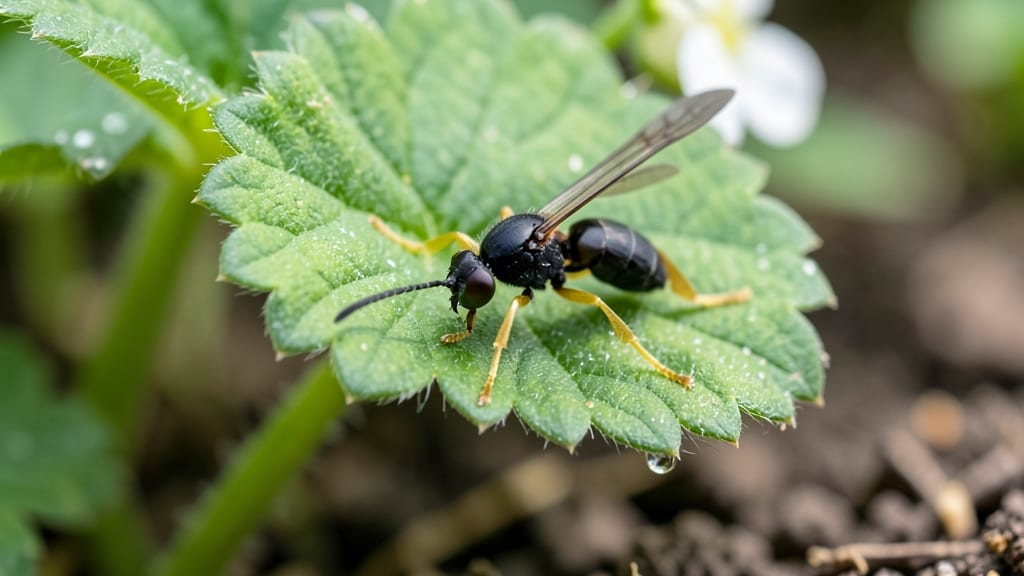
How to keep ants out of strawberry plants starts with a simple, organic trick that saves your harvest—and your sanity. 🌱 I’ve lost entire harvests to these tiny invaders until I discovered the foolproof diatomaceous earth barrier that stops them cold—without harming your plants or the soil.
The problem starts when ants farm aphids on your strawberries, trading honeydew for protection. A light dusting of food-grade diatomaceous earth (just 1 tablespoon per plant) creates microscopic cuts in their exoskeletons, dehydrating them in hours.
The best part? It’s organic, safe for pets, and works in all weather—just reapply after rain.
By morning, your plants stay ant-free, and your berries grow sweeter without interference. The secret is timing: apply it early in the season before trails form, and check weekly for new activity. No more lost harvests—just plump, juicy strawberries straight from your garden.
This method works for raised beds, in-ground patches, and even container gardens. The key is consistency: a little prevention now means no ant battles later. Ready to reclaim your strawberries?
Root Causes of Ant Infestations
Ants don’t just wander into your strawberry patch by accident—they’re drawn by a mix of food, shelter, and chemical cues. Understanding why they invade helps you disrupt their plans before they become a full-blown problem. Here’s a breakdown of the key triggers:
Strawberries are like nature’s candy buffet for ants. Their high sugar content (especially in ripe or damaged fruit) releases volatile organic compounds (VOCs) that ants detect from yards away. But it’s not just the fruit—ants also target:
- Honeydew: A sticky, sugary waste product excreted by aphids, mealybugs, and other sap-sucking pests that often coexist on strawberry plants. Ants farm these pests to harvest honeydew, creating a mutualistic relationship.
- Overripe or bruised berries: When strawberries ferment, they release ethanol and acetic acid, which ants find irresistible. A single dropped berry can become a beacon for a colony.
- Nectar from flowers: Strawberry blossoms produce nectar to attract pollinators, but ants steal the show by feeding on it directly.
Pro tip: 💡 If you spot ants trailing toward your plants, check for tiny green/black bugs (aphids) hiding on the undersides of leaves—they’re likely the reason ants are farming the area.
Ants are opportunistic nesters, and strawberry beds provide the perfect microclimate:
- Shady, damp soil: Strawberry plants create humid pockets under their foliage, which ants love for nesting. Their colonies thrive in 60–70% humidity, and mulch or thick leaves trap moisture.
- Loose soil and root systems: Ants tunnel through air pockets in soil, and strawberry roots create natural pathways. Some species (like Lasius ants) even chew roots to expand their tunnels.
- Debris and leaf litter: Fallen leaves or organic matter near plants act as insulation, protecting ant trails from wind and predators.
Fun fact: 🌡️ Fire ants (Solenopsis spp.) are drawn to warmer soil temperatures—so if your strawberries are in a sunny spot, you’re unwittingly inviting them in.
Ants don’t just follow food—they lay pheromone trails to guide their colony. These trails are invisible to us but highly persistent:
- Recruitment pheromones: Worker ants deposit hydrocarbon-based signals on surfaces to mark food sources. Once a trail is established, dozens more ants will follow within minutes.
- Alkaloid compounds in strawberries: Some ant species are attracted to specific plant chemicals in strawberries, like methyl salicylate (the compound that gives berries their scent).
- Trail reinforcement: Ants double down on successful trails by laying thicker pheromone deposits, making them harder to disrupt.
Warning: ⚠️ If you’ve ever crushed ants near your plants and seen more ants arrive, it’s because the crushed ants released distress pheromones, which signal danger—and recruit reinforcements.
Sometimes, the problem isn’t just your strawberries—it’s what’s next door. Ants are drawn to:
- Other sugary crops: Plants like raspberries, blackberries, or grapes in nearby beds create a food corridor that ants exploit.
- Weeds with sap: Dandelions, clover, and plantain release high-sugar nectar, acting as ant traps that spill over into your strawberry patch.
- Compost piles or fallen fruit: Organic matter 10+ feet away can still attract ants that migrate toward your plants.
Actionable insight: 🎯 Remove all fallen fruit and weeds within a 5-foot radius of your strawberries to break the ant “supply chain.”
Now that you know why ants target strawberries, the next step is disrupting their strategy—starting with their trails. (Spoiler: Diatomaceous earth isn’t just a barrier; it’s a pheromone killer.)
Natural Ways to Outsmart Ants
Ants may seem tiny, but they’re mighty when it comes to protecting their colonies—and your strawberries! The good news? You don’t need harsh chemicals to win this battle. Instead, try these targeted, eco-friendly fixes tailored to the root causes of ant invasions.
---
Ants march in like an army through tiny cracks, gaps, or weak spots in your garden. Stop them before they start!
- Seal the soil around your strawberry beds with a 1-inch-wide barrier of diatomaceous earth (DE) or coarse sand. Ants won’t cross it! - Check mulch piles—ants love hiding underneath.
Use gravel or crushed eggshells instead of organic mulch near plants. - Inspect containers (like pots or garden tools) and store them upside down when not in use.
✨ Pro Tip: Sprinkle cinnamon or cayenne pepper along the bed’s edge—ants hate the scent!
---
Ants farm aphids (and other sap-sucking pests) like cattle. Cut off their food chain!
- Spray strawberry leaves with neem oil or soapy water (1 tsp dish soap + 1 quart water) to deter aphids, which attract ants. - Handpick aphids (use a spray bottle of water to blast them off) or introduce ladybugs, their natural predators. - Remove fallen fruit—rotting strawberries = ant buffet.
Pick them daily!
💡 Did You Know? Ants love honeydew (aphid waste). A few ladybugs can eliminate 5,000 aphids a day—nature’s pest control!
---
Ants scout for food before sending reinforcements. Trick them into leading their colony astray!
- Set up bait stations with borax + sugar (1:1 ratio) or peanut butter + borax in shallow dishes. Place near ant trails—worker ants carry it back, killing the queen’s favorites. - Use citrus peels (orange or lemon) as natural repellents.
The scent confuses their trail markers. - Avoid overwatering—ants seek damp soil. Water early in the day so the ground dries faster.
⚠️ Warning: Borax is toxic to pets/kids—place baits out of reach or use food-grade DE instead.
---
Once you’ve evicted the ants, keep them from returning with these habits:
- Rotate crops—don’t plant strawberries in the same spot yearly (ants remember favorite spots!). - Plant ant-repelling herbs like mint, basil, or thyme near your strawberry patch. - Keep grass trimmed—tall grass hides ant nests and trails. - Use reflective mulch (like aluminum foil strips) around beds—ants avoid shiny surfaces!
🌡️ Bonus: Heat shock works! Pour boiling water directly into ant hills (early morning) to kill the colony fast.
--- Final Thought: Ants are persistent, but consistency wins. Combine barriers, baits, and habitat changes, and you’ll reclaim your strawberry patch—ant-free! 🍓🚫🐜
Frequently asked questions
Why do ants suddenly appear when my strawberries start ripening?
Ants target ripening strawberries because they detect the high sugar content and fermentation compounds like ethanol. Once berries soften, they release volatile organic compounds (VOCs) that ants can smell from yards away. The ants also farm aphids on your plants, trading protection for their honeydew—so ripening fruit just adds to the allure.
Is diatomaceous earth safe for my strawberry plants and pets?
Yes, when used correctly! Food-grade diatomaceous earth is non-toxic to plants and pets, but it must be applied dry and reapplied after rain. Keep pets away until settled (it can irritate lungs if inhaled). For extra safety, apply it in the early morning when dew is present—this helps it stick better without harming beneficial insects.
How long does it take for diatomaceous earth to work on ant trails?
You’ll typically see results within 24-48 hours, but full eradication can take up to 5-7 days as worker ants die and the colony weakens. For faster action, combine DE with citrus peels (orange or lemon) along the trails—this disrupts their pheromone signals while the DE dehydrates them.
Can I use vinegar to keep ants away from my strawberries?
Vinegar works as a short-term repellent (1:1 water ratio spray), but it won’t eliminate established colonies. The smell dissipates quickly, so you’ll need to reapply every 2-3 days. For better results, use vinegar to clean tools and containers, then follow up with a diatomaceous earth barrier or cinnamon dusting for lasting protection.
What’s the best time of day to apply ant deterrents?
Apply deterrents early morning (before 9 AM) when dew is present—this helps solutions stick better and maximizes effectiveness. Avoid applying in direct sunlight (especially midday) as heat can reduce the potency of natural repellents like neem oil or citrus. If using baits, place them in the late afternoon when worker ants are most active.