
Pests
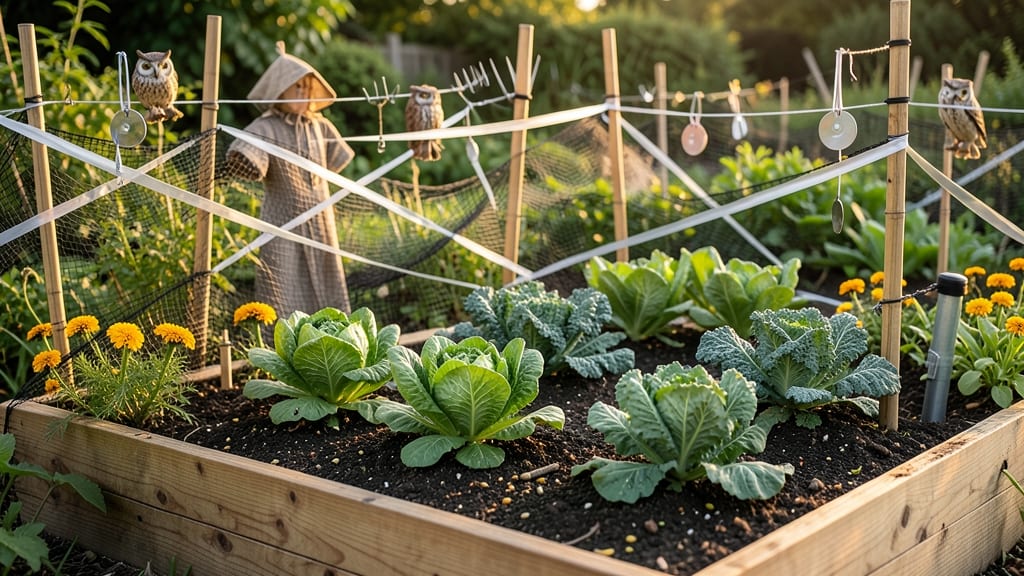
How to keep birds away from plants feels like an open buffet. 🌿 I’ve lost count of the times I’ve watched my carefully nurtured peppers vanish overnight—until I discovered these spice-infused barriers that work faster than scare tactics. The secret? Mimicking natural predators without harming a feather. These methods go beyond cheap plastic tape or noisy wind chimes—they use scent, texture, and visual disruption that birds instinctively avoid. A few cayenne pepper sachets in mesh bags or a simple DIY spray with red pepper flakes creates a no-fly zone that lasts weeks. The best part? It’s humane, organic, and doesn’t require constant vigilance. By the end of this, you’ll have a garden where birds take one look and fly straight to your neighbor’s yard. The peppers stay plump, the tomatoes ripen undisturbed, and you’ll finally get the lush, productive harvest you’ve been waiting for—without guilt or cruelty. Works for vegetable gardens, flower beds, and even balcony containers. No more waking up to pecked-to-the-stem disappointment.
📚 In This Guide
- What you need
- Instructions
- Tips and common mistakes
- Wrapping up and next steps
What you need
- ● Spices (choose 2-3): 1 cup red pepper flakes (hotter = more effective!)
- ● ½ cup cayenne pepper (ground or whole)
- ● ½ cup black peppercorns (whole, unground)
- ○ ¼ cup chili powder (optional for extra kick)
- ● Water: 1 gallon (for mixing)
- ● Spray bottles: 2-3 (16 oz each, with fine mist nozzles)
- ● Gloves: 1 pair (nitrile or rubber, to handle spices safely)
- ● Fine-mesh strainer or cheesecloth (for filtering spice mix)
- ○ Spray nozzle attachment (optional, for larger areas)
- ● Refillable sprayer (1-2 gallons, for bigger gardens)
- ● Hose-end sprayer (for quick, large-area coverage)
- ● Plastic sheeting (to protect surfaces while mixing)
- ● Old colander (for straining spice-water mixtures)
- ● Label maker (to mark spray bottles with dates)
Step-by-Step instructions for creating spice-infused bird deterrents
Here’s my go-to method for keeping birds away using natural repellents that work fast and won’t harm your garden.
🌿 Step 1: Select the Right Spices for Maximum Effect
Birds hate strong scents, so focus on cayenne pepper, red pepper flakes, and crushed chili peppers—they’re the most effective. I also add a few drops of hot sauce (like Tabasco) to the mix for extra potency. Avoid mild spices like cinnamon or nutmeg; birds ignore those.
Crush the spices into a fine powder using a mortar and pestle or coffee grinder. The finer the powder, the longer it releases scent when exposed to air and moisture. Store the mixture in an airtight container until ready to use—this keeps it potent for up to 6 months.
💧 Step 2: Apply the Spice Mixture to Problem Areas
Focus on areas where birds are most active: seed trays, newly planted seeds, or tender young shoots. Sprinkle the spice mixture lightly around the perimeter of your garden beds or containers—½ teaspoon per square foot is enough. Overapplying can clump and lose effectiveness.
For extra staying power, mix the spices with water (1 part spices to 3 parts water) to create a paste. Apply this paste to the edges of pots or along fences where birds perch. The moisture helps the scent linger longer. Reapply every 3-5 days or after rain.
☀️ Step 3: Combine with Physical Barriers for Best Results
Birds are clever—they’ll avoid spice-treated areas but may still land nearby. Pair your spice deterrent with row covers, netting, or reflective tape for a multi-layered defense. Hang netting 6-12 inches above plants to block access while still allowing sunlight and water through.
For ground-level threats like sparrows or finches, place plastic pins or wind chimes near seedling trays. The movement and noise distract them from your spice-treated zones. Check barriers weekly—birds will find gaps if left unchecked.
✂️ Step 4: Refresh and Rotate Your Deterrents
Spices lose potency over time, especially when exposed to rain or sun. Refresh your treatments every 3-5 days or after heavy rainfall. I like to rotate between cayenne and red pepper flakes to prevent birds from adapting—switching up the scent keeps them guessing.
If birds return despite your efforts, try adding citrus peels or coffee grounds to the mix. The combination of scents confuses them further. Avoid overusing strong deterrents near edible plants, as residual spice can linger on leaves and affect flavor.
⏰ Step 5: Monitor and Adjust Seasonally
Bird activity peaks in spring and fall, so double your efforts during these times. In winter, reduce frequency—birds are less aggressive about foraging. Watch for new perches (like branches or wires) and treat those areas immediately.
If you notice birds ignoring your spice barriers, they may have adapted. Switch to a commercial bird repellent spray (like Liquid Fence) as a backup. The key is consistency—birds learn to avoid what consistently bothers them.
Tips & tricks for effective spice-infused bird deterrents
These practical strategies will help you maximize the effectiveness of your natural bird repellent system—no more wasted efforts or frustrated gardening sessions.
Spice Potency Boost: For an extra kick, let your crushed cayenne and chili pepper powder sit in direct sunlight for 10-15 minutes before application. The heat intensifies their natural capsaicin content, making the scent even more potent. This works especially well for stubborn birds like sparrows that might otherwise ignore the treatment. Store the enhanced mixture in a dark, airtight container to preserve its strength.
Application Technique: When creating your spice paste in Step 2, add 1 teaspoon of dish soap to the water mixture. The soap helps the paste adhere better to surfaces and spreads more evenly, ensuring better coverage. This is particularly useful for treating fence lines or pot edges where birds frequently perch. The soap won't harm plants but will enhance the deterrent's effectiveness by making it harder for birds to brush off.
Barrier Placement Strategy: For maximum protection, create a 3-foot buffer zone around your garden beds when applying the spice mixture. Birds often land just outside treated areas, so extending the perimeter prevents them from simply stepping around your defenses. Combine this with your physical barriers from Step 3 for complete coverage. I've found this approach works best for ground-feeding birds like doves and pigeons that might otherwise bypass the treated zones.
Seasonal Adaptation: During peak bird activity seasons (spring and fall), consider doubling your spice mixture application rate to 1 teaspoon per square foot instead of the standard ½ teaspoon. The increased concentration provides better protection when birds are most aggressive about foraging. In winter, you can safely reduce to every 7-10 days instead of the standard 3-5 day refresh rate, as birds are less active during colder months.
Pro Tips for Keep Birds Away From Plants
- These practical strategies will help you maximize the effectiveness of your natural bird repellent system—no more was...
- Spice Potency Boost: For an extra kick, let your crushed cayenne and chili pepper powder sit in direct sunlight for 1...
- Application Technique: When creating your spice paste in Step 2, add 1 teaspoon of dish soap to the water mixture. Th...
Frequently asked questions
What’s the best time of year to apply spice-based deterrents?
Apply deterrents before birds become a problem—typically in early spring (March–April) when they’re scouting for nesting spots. Reapply after heavy rain or every 4–6 weeks for lasting protection. For winter, use a light dusting to avoid harming plants or wildlife.
Are cayenne pepper or chili powder safe for all plants?
Most vegetables, herbs, and flowers tolerate spices well, but avoid using them on delicate plants like roses, azaleas, or succulents. Always test a small area first—some plants may develop mild irritation. For sensitive gardens, opt for physical barriers (netting, spikes) instead.
How do I remove bird droppings from plants without damaging them?
Use a soft brush or damp cloth to gently wipe droppings. For stubborn stains, mix 1 part vinegar + 1 part water and spray lightly (avoid over-saturating). Never use bleach—it can harm plant leaves. Rinse with clean water afterward to prevent residue buildup.
Will these methods hurt baby birds or eggs?
Spice deterrents are not harmful to adult birds, but they can be irritating to nestlings or eggs if applied directly. If you spot a nest, relocate it gently to a safer area (like a bush) before using repellents. Check local laws—some regions protect nesting birds during breeding seasons (spring/summer).
What’s a quick fix if birds are already damaging my plants?
For immediate relief, try:
- Hanging old CDs or aluminum pie pans to create reflective noise.
- Spraying a water + dish soap mix (1 tsp soap per gallon) on leaves—birds dislike the texture.
- Installing bird netting over vulnerable areas (like vegetable gardens).
Wrapping up and next steps
Keeping birds away from your plants doesn’t have to be a struggle—with the right spice-infused barriers, you can protect your garden effortlessly! 🌿 From cayenne pepper sprays to chili nets, these natural solutions are effective, budget-friendly, and eco-conscious.
The key is consistency and creativity—experiment to find what works best for your space.
Now that you’re armed with these tricks, why not take action today? Start small—try one method this weekend and observe the results. Your garden (and your plants!) will thank you. Happy gardening! 🌱