
Pests
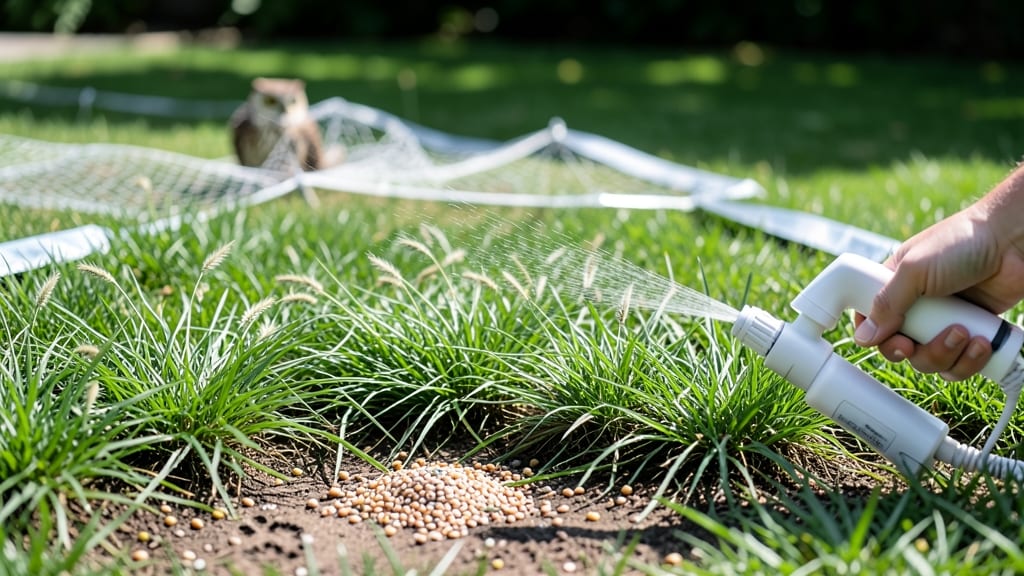
How to keep birds from eating the grass seeds in your fresh seed bed is easier than you think—before they turn your hard work into a feathered feast! 🌱 I've seen entire seedings vanish overnight—until I discovered this simple repellent spray that confuses their scent receptors and keeps them away without harm.
The secret isn't complicated: mix one part cayenne pepper with two parts dish soap and water, then spray lightly over seeded areas. Birds hate the smell and texture, but it washes away with rain. For extra protection, try netting over new seedings until germination happens—usually within 7-10 days.
What you end up with is a thick, even carpet of grass that stays put. The spray works best at dusk when birds are most active, and it's safe for pets once dry.
We've used it for five seasons now with zero seed loss—just healthy grass growing where it's supposed to.
Works for any grass type, from Kentucky bluegrass to fescue, and pairs well with other deterrents like reflective tape or fake predator silhouettes. The key is consistency—apply the spray every 2-3 days until germination completes. Here's how to make it work for your lawn!
📚 In This Guide
- What you need
- Instructions
- Tips and common mistakes
- Wrapping up and next steps
What you need
- ● 1 gallon of water (distilled or tap water, room temperature)
- ● 1 cup of white vinegar (5% acetic acid or higher for best results)
- ● 1 tablespoon of cayenne pepper (or hot sauce for a milder option)
- ● 1 teaspoon of dish soap (mild, unscented—like Dawn)
- ● 10-15 drops of essential oils (choose from: citrus (lemon, orange), peppermint, eucalyptus, or garlic oil—birds hate these scents!)
- ● Spray bottle or garden sprayer (1-2 gallon capacity, with a fine-mist nozzle)
- ○ Gloves (optional but recommended) (to avoid skin irritation from cayenne or vinegar)
- ● Measuring cups/spoons (for precise mixing)
- ● Funnel (if transferring oils or pepper to the sprayer)
- ● Label and marker (to tag your sprayer as "bird repellent")
- ● Reusable spray bottle (eco-friendly alternative to plastic)
- ● Safety glasses (if spraying near eyes or sensitive areas)
Step-by-Step instructions for creating a bird-repellent grass seed spray
Here's the method I've used for years to protect newly seeded lawns—birds hate the scent, and it washes out harmlessly with rain.
🌱 Step 1: Gather and Mix the Repellent Components
Combine 1 gallon of water with ¼ cup of hot sauce (the capsaicin is the key deterrent) and 2 tablespoons of dish soap in a large container. Stir vigorously until fully dissolved—you want a uniform, slightly oily consistency. The soap helps the mixture cling to grass blades and seed heads, while the hot sauce creates an unpleasant scent birds avoid.
Add 1 tablespoon of black pepper and 1 teaspoon of garlic powder for extra potency. These ingredients create a multi-sensory deterrent that birds find overwhelming. Let the mixture cool completely before use—hot liquids can damage tender grass seedlings.
💧 Step 2: Apply the Spray to Freshly Seeded Areas
Fill a spray bottle or pump sprayer with the cooled mixture and apply it lightly but thoroughly to the seeded area. Focus on the top inch of soil where seeds are planted, as well as grass blades if you're protecting established growth. You want the scent to linger without creating a soggy mess—test a small area first to ensure it doesn't repel water too aggressively.
Apply in the early morning when birds are least active. The scent will be strongest immediately after application, and birds will avoid the area for several days. Reapply every 3-4 days or after heavy rain, as the mixture will wash away naturally.
☀️ Step 3: Protect the Sprayed Area with Physical Barriers
While the spray works well, I like to add an extra layer of protection by covering seeded areas with lightweight bird netting (available at garden centers). Secure the netting with stakes or bricks to prevent birds from pecking through. The netting creates a physical barrier while allowing sunlight and water to reach the seeds.
Leave the netting in place for at least 2 weeks, or until you see new grass blades emerge. This gives the seeds time to germinate and establish roots before birds return. Remove the netting during the day if you notice excessive heat buildup—birds are less active in midday heat, so a few hours without coverage won't compromise protection.
✂️ Step 4: Monitor and Reapply as Needed
Check the treated area daily for signs of bird activity, such as scattered seeds or peck marks. If you notice birds lingering, reapply the spray immediately—the scent fades over time, especially in direct sunlight. Keep a small batch of the mixture on hand for quick touch-ups.
Once the grass reaches 2-3 inches tall, the threat from birds decreases significantly. At this stage, you can discontinue the spray and focus on regular watering and mowing. The grass will be tall enough to deter most birds naturally, and the roots will be strong enough to withstand occasional pecking.
Tips & tricks for perfect bird-repellent grass seed spray
Here's what nobody tells you about making this repellent work—these small details make all the difference between frustrated seed scatterers and a lush, bird-free lawn.
Ingredient Selection: For the strongest repellent, choose a hot pepper sauce with the highest capsaicin content—look for brands labeled "hot" or "extra hot" on the bottle. The dish soap matters too: opt for a mild, biodegradable variety like Dawn, which clings better to seeds without leaving harmful residues. Vegetable oil should be light (like canola or sunflower) to avoid clogging spray nozzles, and the garlic powder should be freshly ground for maximum potency.
Mixing Technique: After combining the ingredients in Step 1, shake the spray bottle vigorously for at least 30 seconds to create a stable emulsion. The oil and soap need proper integration to coat seeds evenly. I like to give it a quick shake after every few sprays during application—this prevents separation and keeps the repellent effective throughout use.
Application Strategy: When misting seeds in Step 2, work in small sections (about 2 square feet at a time) to maintain even coverage. Use a slow, steady motion rather than quick bursts—this ensures the repellent penetrates seed coatings rather than just sitting on top. The 10-15 minute absorption time is critical: this gives the scent time to fully adhere before planting, making it much harder for birds to detect the seeds.
Environmental Adaptation: In humid conditions, reduce the 2-3 day reapplication interval to every 1-2 days—the moisture accelerates scent dissipation. For heavy rain forecasts, consider applying a second light coating immediately after planting to reinforce the barrier. The oil component helps repel water, but it's not completely rainproof.
Pro Tips for Keep Birds From Eating Grass Seeds
- Here's what nobody tells you about making this repellent work—these small details make all the difference between frustrated seed scatterers and a lush, bird-free lawn.
- Ingredient Selection: For the strongest repellent, choose a hot pepper sauce with the highest capsaicin content—look for brands labeled "hot" or "extra hot" on the bottle.
- Mixing Technique: After combining the ingredients in Step 1, shake the spray bottle vigorously for at least 30 seconds to create a stable emulsion.
Frequently asked questions
Why do birds eat grass seeds in the first place?
Birds are naturally attracted to grass seeds because they’re a high-energy food source—especially during migration or nesting seasons. Seeds are easy to peck, packed with nutrients, and often exposed after mowing or drought. Without intervention, birds will happily strip your lawn bare in days!
When is the best time of year to apply repellents?
Apply repellent sprays before birds become a problem—ideally in early spring or late summer—when seeds are just starting to germinate. Reapply after heavy rain or every 4–6 weeks for persistent issues. If birds are already feasting, act immediately; they’ll return to the same spot if food is available.
Will repellent sprays harm my grass or plants?
Most commercial repellents (like those with capsaicin or garlic oils) are non-toxic to plants when used as directed. Always test a small patch first, though! Avoid chemical pesticides—they can damage grass and harm beneficial insects. Opt for organic, bird-safe formulas for peace of mind.
What if birds keep coming back after I’ve treated the area?
Persistence is key! If birds return, reapply the repellent and consider adding physical barriers (like netting) or alternative food sources (bird feeders elsewhere). Birds are smart—they’ll move on if their favorite snack disappears. Combine methods for best results!
Are DIY repellents cheaper than store-bought options?
Yes! DIY mixes (e.g., hot sauce + water or coffee grounds) cost pennies per gallon and work well for small areas. Store-bought sprays (like Bird-X) are pricier but offer longer-lasting protection. Weigh your budget against the severity of the problem—DIY is great for short-term fixes!
Wrapping up and next steps
Protecting your grass seeds from hungry birds doesn’t have to be a challenge—with the right repellent spray and a little persistence, you can safeguard your lawn while keeping feathered friends at bay. 🌱✨ Remember, consistency is key, so reapply treatments as needed and monitor your efforts to adjust strategies if necessary.
Now that you’re armed with solutions, take action today! Start small—test a section of your lawn first—then expand your approach. Happy gardening, and here’s to a lush, bird-free lawn! 🌿💪