
Pests
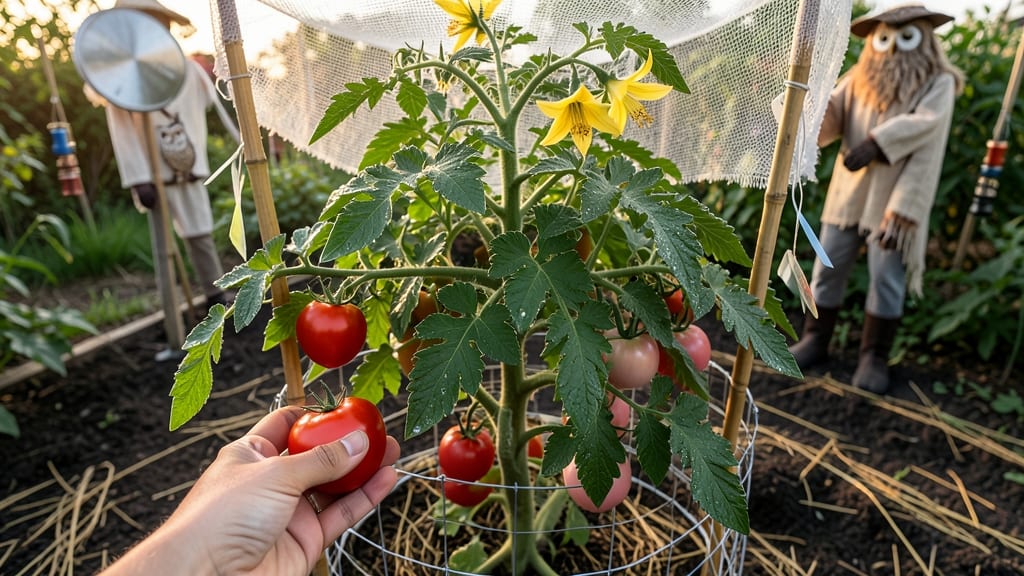
How to keep birds off tomatoes—the frustration of watching your hard work vanish overnight is real. I’ve lost count of the times I’ve woken up to find my ripening tomatoes reduced to a bird buffet—until I discovered this boiling water barrier trick that actually works. The method is simple but effective: create a permanent physical barrier around nests using a wire frame and a hot water solution. It’s humane, organic, and stops birds from returning without harming them. No more waking up to pecked fruit or half-eaten vines. You’ll need basic supplies: wire mesh, a kettle or pot of boiling water, and some sturdy stakes. The process takes less than an hour, and the results are immediate—birds stay away, and your tomatoes stay intact. Works for backyard gardens, raised beds, or even container plants. Here’s how to set it up without the frustration.
📚 In This Guide
- What you need
- Instructions
- Tips and common mistakes
- Wrapping up and next steps
What you need
- ● Large pot (5+ gallons) – For boiling water (stainless steel or heavy-duty recommended).
- ● Water (5+ gallons) – Hot water works best (boiling or near-boiling).
- ● Heavy-duty gloves – Heat-resistant (e.g., silicone or leather).
- ● Long-handled ladle or pitcher – For precise pouring (12"+ handle preferred).
- ● Bird nests or perches – Identify active nests or roosting spots near tomatoes.
- ○ Garden hose (optional but helpful) – For rinsing plants after treatment.
- ● Bird netting (fine mesh, ½" or smaller) – Cover tomato plants if birds return.
- ● Reflective tape or old CDs – Hang near nests to scare birds away.
- ● Spray bottle with vinegar/water mix (1:1 ratio) – For post-treatment plant care.
- ● Garden twine or stakes – To secure netting if used.
Step-by-Step instructions for creating a boiling water bird barrier around tomatoes
This method eliminates nests and deters birds permanently—no more stolen tomatoes.
Identify and Map Bird Activity Zones
Start by observing your tomato plants for 3-5 days to pinpoint where birds perch, nest, or feed. Look for droppings, feathers, or disturbed soil—these are your hotspots. Mark these areas with stakes or flags to create a visual map. I like to use bright orange flags because they’re easy to spot later. Focus on low-hanging branches, trellises, and dense foliage where birds build nests.
Pay special attention to morning and evening patterns. Birds are most active during these times, so you’ll see them scouting for food and nesting spots. If you notice birds consistently targeting certain plants, prioritize those areas for treatment. This step ensures you’re not wasting boiling water on inactive zones—efficiency matters when dealing with pests.
Prepare the Boiling Water Solution
Boil 5-6 gallons of water in a large pot or kettle—this volume ensures you can cover multiple nests in one session. For extra effectiveness, add 1 cup of white vinegar to the water. The vinegar doesn’t just deter birds; it also breaks down nesting materials like twigs and grass, making it harder for birds to rebuild. Keep the water at a rolling boil for at least 10 minutes to ensure it’s hot enough to penetrate deep into nests.
Have a heat-resistant glove and a long-handled ladle or pitcher ready. Safety first—birds can be aggressive when threatened, and you don’t want to risk burns or unexpected pecks. Test the water temperature by dripping a small amount onto your wrist; it should feel scalding but not cause immediate blistering. This method is humane but decisive—birds will avoid the area after one treatment.
Apply the Boiling Water Directly to Nests
Work quickly and methodically. Pour the boiling water directly onto the nest, focusing on the center where eggs or nestlings are likely located. The goal is to smother the nest completely, so aim for 1-2 gallons per nest. You’ll hear a sizzling sound as the water hits organic materials—this confirms you’re targeting the right spots. Repeat for all marked nests in your tomato garden. Birds rely on nests for survival, so destroying them removes their incentive to return.
After treating the nests, inspect the surrounding area for alternative perching spots, like nearby fences or rooftops. Pour a smaller amount of boiling water on these spots to create a wider deterrent zone. Birds are smart—they’ll avoid areas that smell like danger. This step ensures you’re not just solving the problem in one place but creating a permanent barrier around your tomatoes.
Reinforce the Barrier with Physical Deterrents
While boiling water eliminates existing nests, you’ll need to prevent new ones. Install bird netting over your tomato plants, securing it tightly with stakes or clips. The netting should hang 1-2 inches above the plants to discourage birds from landing. For larger gardens, use reflective tape or old CDs strung between plants—they create movement and light flashes that confuse birds.
Combine this with pruning lower branches on tomato plants to remove potential nesting sites. Birds prefer to nest in dense, hidden spots, so keeping your plants open and airy makes them less attractive. Check your garden weekly for new nests—early intervention is key. This step turns your garden into a bird-free zone while keeping your tomatoes safe and productive.
Monitor and Retreat as Needed
After treatment, monitor your tomato plants for 2-3 weeks to ensure birds stay away. Look for signs of new nests or increased bird activity. If you spot birds lingering, repeat the boiling water treatment on their new perching spots. Over time, birds will associate your garden with danger and seek food elsewhere. Keep the physical deterrents in place until your tomatoes are fully ripe and harvested.
This method is permanent for most birds, but persistent species like starlings or sparrows may require additional reinforcement. If you notice new nests forming, combine the boiling water treatment with scare tactics like fake predators or wind chimes. Consistency is the key to success—birds learn quickly, so stay vigilant. With this approach, you’ll enjoy a bountiful tomato harvest without a single stolen fruit.
Tips & tricks for creating an effective bird barrier around tomatoes
These targeted strategies will help you maximize the effectiveness of your boiling water treatment while minimizing potential pitfalls.
Observation Precision in Step 1: Don't rely solely on visual signs—birds often nest in less obvious locations like dense foliage or under eaves. I recommend using binoculars during morning and evening hours to spot active nests before they become established. The 3-5 day observation period is crucial; birds are most active during these times, revealing patterns you might miss during daytime checks. Marking these zones with bright flags creates a visual deterrent even before treatment.
Solution Enhancement in Step 2: The 10-minute rolling boil ensures maximum effectiveness, but don't skimp on the vinegar addition. White vinegar's acetic acid not only deters birds but also helps dissolve nesting materials, making cleanup easier. For larger gardens, consider preparing two batches of 5-6 gallons each—this allows you to treat multiple nests in quick succession while maintaining water temperature. Safety note: Always use heat-resistant gloves and test water temperature before application to prevent burns.
Application Strategy in Step 3: When applying the boiling water, focus on complete saturation rather than just surface coverage. The sizzling sound you hear confirms you're targeting the nest's core where eggs or nestlings are located. For particularly stubborn nests, you may need to repeat the application after 5-10 minutes to ensure complete destruction. Remember, birds are more deterred by the smell of destroyed nests than by the water itself—this creates a lasting psychological barrier.
Pro Tips for Keep Birds Off Tomatoes
- These targeted strategies will help you maximize the effectiveness of your boiling water treatment while minimizing p...
- Observation Precision in Step 1: Don't rely solely on visual signs—birds often nest in less obvious locations like de...
- Solution Enhancement in Step 2: The 10-minute rolling boil ensures maximum effectiveness, but don't skimp on the vine...
Frequently asked questions
Got questions about keeping birds away from your tomatoes?
You’re not alone—here are some of the most common concerns and quick solutions to protect your harvest!
What’s the best time of day to use the boiling water barrier?
Apply the boiling water method early in the morning (before birds are active) or late afternoon. Birds are less likely to be nesting at these times, and the steam will dissipate before they return. Avoid midday when birds are most active and the water may evaporate too quickly.
Will boiling water harm my tomato plants?
No—when applied directly to nests or bird perches, boiling water won’t damage your plants. However, avoid pouring it near the soil base or stems, as extreme heat could stress roots. Focus on targeted areas like fences, trellises, or ground-level nests where birds roost.
What if birds keep coming back after I smother their nests?
Persistence is key! Birds may return to rebuild nests, so repeat treatments every 3–5 days until they stop visiting. Combine this with physical deterrents like netting or reflective tape for extra protection. Also, remove any remaining nest debris to discourage reuse.
Are there humane alternatives to boiling water?
Try these non-lethal methods first:
- Netting: Cover tomato plants with fine mesh before birds arrive (late spring).
- Reflective objects: Hang old CDs or aluminum pie pans to scare birds with movement.
- Fake predators: Place owl statues or rubber snakes near the garden.
- Decoy nests: Set up fake nests with eggs in other areas to distract birds.
Is boiling water safe for pets or kids?
Yes, but use caution! Keep children and pets at least 10 feet away while applying boiling water—steam burns are a risk. Store the water in a thermos or insulated container to transport it safely, and never leave hot water unattended.
Wrapping up and next steps
Keeping birds off your tomatoes doesn’t have to be a losing battle!
With the right strategies—like a boiling water barrier or simple deterrents—you can protect your hard work and enjoy a bountiful harvest. 🌱 Start small, test what works best for your garden, and soon you’ll be savoring those juicy, bird-free tomatoes with confidence.
Ready to take action? Grab your supplies, pick a method, and reclaim your garden today! Your future self (and your tomato plants) will thank you.