
Companion Plants
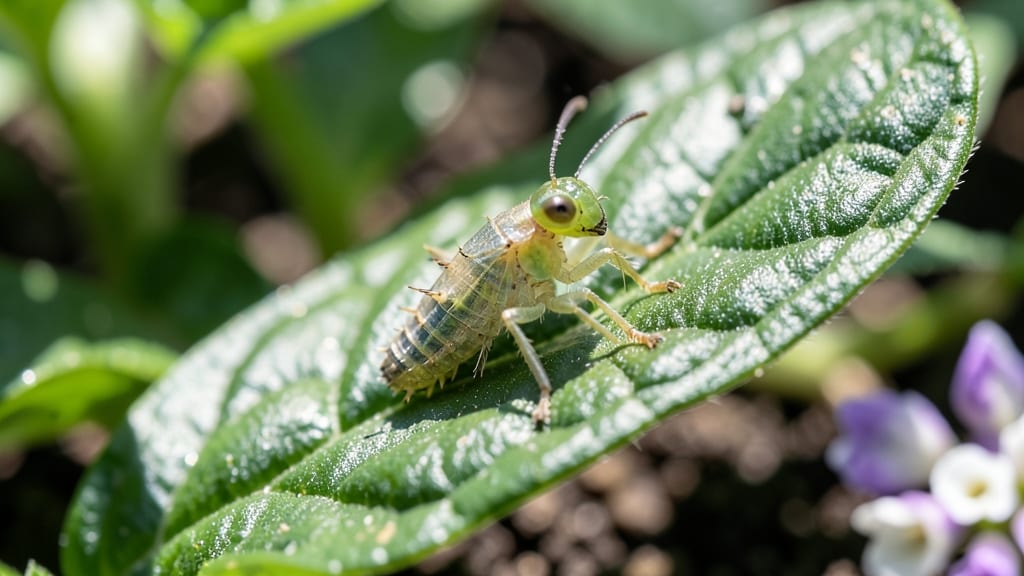
How to keep bugs off basil plants is the first rule of growing lush, fragrant herbs—and neem oil is your secret weapon. 🌿 The second aphids or whiteflies show up, your plants go from lush to limp in days—but neem oil changes that. This natural barrier suffocates pests without harming your plants or the bees buzzing by.
Most people wait until their basil looks like a crime scene before acting. I learned the hard way that prevention is key: check leaves daily for sticky residue (aphid alert!) or tiny webs (spider mites).
A weekly neem oil spray keeps pests off entirely, and it works on established bugs too—just mix it right.
By the end of two weeks, your basil will be thriving again—dark green, fragrant, and free of those tiny invaders. The secret? Consistency. Spray every 7-10 days, especially after rain, and your plants will stay pest-free all season long.
Works for container gardens, window boxes, or in-ground beds—no fancy equipment needed. Here's the exact mix and schedule that saved my last harvest from total destruction.
Root Causes of Basil Bugs
Basil plants are a magnet for pests—not because they’re weak, but because they’re nutrient-rich, aromatic, and vulnerable at key growth stages. Understanding why bugs target your basil is the first step to outsmarting them.
Below, we break down the real reasons these tiny invaders show up, from chemical cues to environmental triggers.
Basil’s signature fragrance—thanks to compounds like eugenol and linalool—isn’t just for your pasta. It’s a beacon for pests like aphids, whiteflies, and spider mites. Here’s why:
- Volatile organic compounds (VOCs): These aromatic oils attract beneficial insects and pests. Aphids, for example, use basil’s scent to locate tender new growth, where they feast on sap.
- High sugar content: Basil leaves are packed with soluble sugars, making them a high-energy snack for sap-sucking bugs. Whiteflies, in particular, are drawn to this sweet reward.
- Soft, fuzzy leaves: The fine hairs on basil leaves create the perfect microclimate for mites and thrips to hide and multiply undetected.
Pro tip: 💡 If you’ve noticed bugs clustering on specific leaves, it’s often the youngest or most aromatic ones—their scent is strongest there!
Basil doesn’t just attract bugs—it broadcasts distress signals when stressed, and pests listen. Common environmental triggers include:
| Stress Factor | How It Attracts Bugs | Bugs Most Drawn |
|---|---|---|
| Overwatering | Soggy soil releases ethanol and methane, which mask basil’s natural defenses and make it easier for root-feeding pests to thrive. | Fungus gnats, root maggots |
| Drought Stress | Wilting leaves reduce chlorophyll, making them less nutritious but more appealing to desperate pests like spider mites. | Spider mites, thrips |
| Poor Airflow | Humid, stagnant air traps moisture on leaves, creating a breeding ground for fungal pests and their insect allies. | Aphids, whiteflies, powdery mildew |
| Nutrient Deficiencies | Lack of nitrogen or potassium weakens cell walls, making leaves easier for pests to penetrate and suck out juices. | Japanese beetles, leaf miners |
Key insight: 🌡️ Bugs often arrive after stress—so if your basil suddenly has visitors, check its care routine first!
Basil isn’t just a target—it’s part of a food web. Some bugs don’t attack basil directly but use it as a launchpad for bigger problems:
- Companion plant confusion: If you’re growing basil near tomatoes or peppers, pests like hornworms may first munch on basil’s milder leaves before moving to more tender crops.
- Predator-prey cycles: Ladybugs and lacewings love aphids—but if your basil is overrun, these beneficials may overpopulate and switch to eating basil flowers or leaves.
- Seasonal migration: Many pests, like whiteflies, use basil as a winter host. They lay eggs in the soil or on stems, waiting for warmer weather to hatch and spread.
Watch for: ✨ Tiny white egg sacs under leaves or black sooty mold (a fungus fed by pest waste)—both signs of a hidden infestation.
Sometimes, we accidentally roll out the welcome mat. Common mistakes include:
- Over-fertilizing: Excess nitrogen produces lush, soft growth that’s a buffet for chewing insects like cabbage worms.
- Ignoring pruning: Crowded plants block airflow and trap moisture, creating a pest paradise.
- Using contaminated tools: Pruners or hands carrying aphid eggs or soil-borne pests from other plants can hitch a ride to your basil.
- Planting too close to weeds: Weeds like purslane or lamb’s quarters harbor pests that jump to basil once the weeds are stressed.
Quick fix: 🔥 Always sterilize tools with rubbing alcohol between plants to break the pest chain!
Quick Fixes for Basil Bug Battles
Now that you know what’s munching on your basil, let’s tackle those pests with practical, plant-friendly solutions. The key is acting fast—before the bugs throw a full-blown party in your garden! Below, we’ve matched common basil invaders to their best fixes, plus prevention tips to keep your plants thriving.
Fix: These sap-sucking pests cluster on stems and leaves, leaving behind sticky residue (aka honeydew). Here’s how to evict them:
- 💦 Spray ‘Em Off Blast aphids with a strong stream of water from a hose or spray bottle. Repeat every few days until they disappear. Pro tip: 🌡️ Do this in the early morning so leaves dry quickly, reducing fungal risks.
- 🌿 Soapy Water Solution Mix 1 tsp mild dish soap (like Castile) with 1 quart water in a spray bottle. Dab or spray directly on aphids—avoid oversaturating leaves. Reapply every 3–4 days. ✨ Bonus: This also deters future infestations!
- 🐝 Ladybugs to the Rescue Release ladybugs or lacewings (available at garden centers). These beneficial bugs love aphids and will clean up your basil naturally.
Prevention:
- 🌱 Plant marigolds or chives nearby—their strong scents repel aphids.
- 🍃 Prune regularly to improve airflow and reduce hiding spots.
Fix: These tiny red or yellow pests spin webs and suck juices, causing yellowing leaves. Fight back with:
- 🌿 Neem Oil Barrier (Your Secret Weapon!) Mix 1 tbsp neem oil + 1 tsp mild soap + 1 quart water. Spray under leaves (mites love the undersides!) and repeat every 5–7 days. 💡 Pro tip: Test on a small leaf first—neem can be potent!
- 💦 Increase Humidity Spider mites thrive in dry conditions. Mist your basil daily or place a tray of water nearby to boost moisture.
- 🌊 Water Blast Like aphids, mites hate water. Spray leaves thoroughly to knock them off and disrupt their webs.
Prevention:
- 🌿 Mulch around plants to retain soil moisture.
- 🍃 Avoid over-fertilizing—mites love nitrogen-rich plants.
Fix: These white, moth-like bugs flutter when you disturb the plant and leave sticky honeydew. Trap and zap them with:
- 🕯️ Yellow Sticky Traps Hang yellow cards coated with petroleum jelly near your basil. Whiteflies are drawn to the color and get stuck. ⏰ Replace traps weekly for best results.
- 🌿 Neem Oil or Insecticidal Soap Spray neem oil (as above) or insecticidal soap directly on leaves. Focus on the undersides where they hide. Repeat every 3–4 days until gone.
- 🌊 Yellow Water Trap Fill a shallow dish with soapy water + a drop of dish soap and place it under the plant. Whiteflies will drown.
Prevention:
- 🌿 Space plants properly to improve airflow and reduce breeding spots.
- 🍃 Remove infected leaves immediately to stop the spread.
Fix: These green caterpillars can devour basil overnight. Act fast with:
- 👨🍳 Handpick & Drop Wear gloves and pluck worms off leaves, then drop them in soapy water. Do this early in the morning when they’re sluggish.
- 🌿 Bacillus Thuringiensis (BT) Sprinkle BT powder (a natural bacteria) on leaves. It’s safe for humans and pets but deadly to caterpillars. Reapply after rain.
- 🕯️ Row Covers If worms are a recurring issue, cover young plants with lightweight fabric until they’re established.
Prevention:
- 🌿 Plant basil near tomatoes or peppers—their strong scent can deter some pests.
- 🍃 Harvest frequently to keep plants from getting too lush (worms love big, juicy leaves).
Fix: These slimy critters leave irregular holes in leaves. Lure them away with:
- 🍺 Beer Traps Bury a small container filled with beer near the plant. The smell attracts them, and they’ll drown. 💡 Pro tip: Use grain alcohol for a stronger lure!
- 🌿 Copper Barriers Place copper tape around pots or garden beds. The slight electric charge repels slugs.
- 🌿 Diatomaceous Earth (DE) Sprinkle food-grade DE around the base of plants. It’s non-toxic but deadly to slugs/snails by dehydrating them.
Prevention:
- 🌿 Water in the morning so slugs aren’t drawn to damp soil at night.
- 🍃 Remove hiding spots like boards or thick mulch.
- 🌿 Rotate companion plants like basil + tomatoes, marigolds, or oregano to confuse pests.
- 🍃 Keep soil healthy with compost—strong plants resist pests better!
- 🔄 Inspect plants weekly—catch problems early before they spread.
💡 Final Reminder: Consistency is key! Most fixes require 2–3 applications before pests fully retreat. Once your basil is bug-free, enjoy those fresh, fragrant leaves—perfect for pesto, salads, or teas! 🌿🍃
Frequently asked questions
How often should I apply neem oil to basil?
Apply neem oil every 7-10 days during active growing seasons to maintain protection. For existing infestations, spray every 5-7 days until pests disappear. Always use it in the early morning or evening to avoid harming pollinators.
Can I use coffee grounds around my basil to deter pests?
Yes! Sprinkle used coffee grounds around the base of your basil plants—they repel slugs, snails, and some flying insects. The caffeine in coffee acts as a natural deterrent while also enriching the soil. Refresh the grounds every 2-3 weeks for best results.
What are the first signs of spider mites on basil?
Watch for tiny yellow or brown specks on leaves (mite waste), fine webbing between leaves, and leaves that look dusted with flour (early mite activity). Check the undersides of leaves first—their favorite hiding spot! Act fast with neem oil or increased humidity.
Will companion planting really work for basil?
Plant basil with marigolds, chives, or oregano to confuse pests—their strong scents mask basil's aroma. Avoid planting near fennel, which can stunt basil's growth. Rotate companion plants seasonally for maximum pest protection.
Can I still harvest basil leaves after using neem oil?
Yes, but wait 24 hours after application to allow the oil to fully dry. Always wash leaves thoroughly before eating. Neem oil is safe once rinsed off, but the strong taste may linger slightly. Harvest outer leaves first to protect new growth.