
Tools
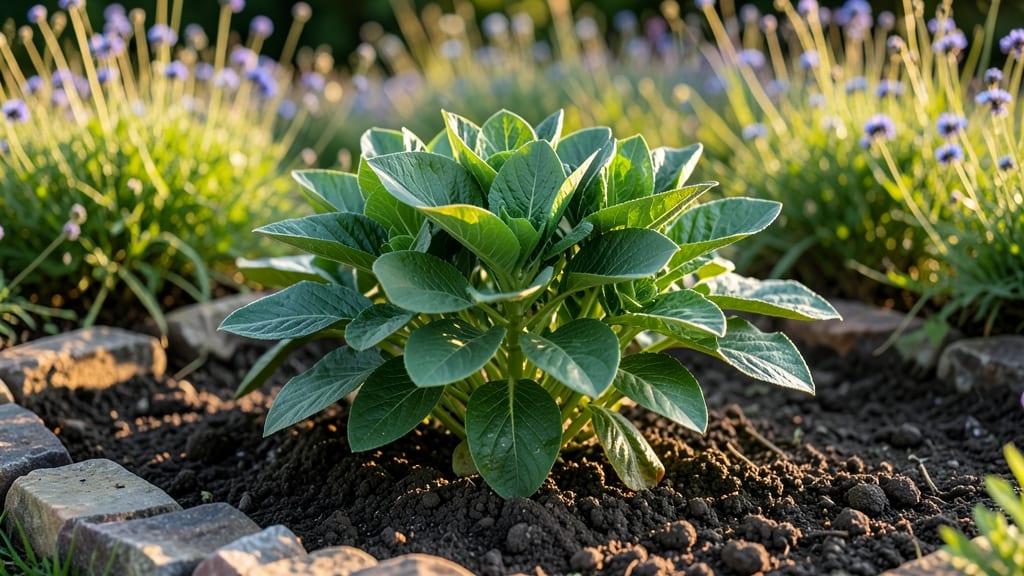
My vegetable garden became a cat buffet until I tried this spicy barrier trick—how to keep cats away from it was the last thing on my mind. 🌱 The moment I planted my heirloom tomatoes, my neighborhood tabbies turned my plot into their personal salad bar—until I discovered the one scent they hate.
It’s not complicated, just clever, and it works without harming those furry little pests.
The secret weapon? A homemade spicy spray using ingredients you already have—hot peppers, garlic, and a splash of dish soap. Mix it up, spray it around your plants, and suddenly your garden smells like a ghost town to cats.
No more clawed-up soil or half-eaten lettuce. The best part? It’s completely organic, safe for your veggies, and cheaper than fancy commercial repellents.
You’ll see results within 24 hours—cats avoid the area, and your plants grow undisturbed. The spray lasts about 1-2 weeks before you need to reapply, but the peace of mind? Priceless. Plus, it doubles as a natural fertilizer for your soil.
Works for any garden size, whether you’re dealing with one curious kitty or a whole colony. Here’s exactly how to make it—no fancy tools or toxic chemicals required.
📚 In This Guide
- What you need
- Instructions
- Tips and common mistakes
- Wrapping up and next steps
What you need
- ● Cayenne pepper or red pepper flakes – 1-2 cups (hotter = better for repelling!)
- ● Water – 1 gallon (or enough to mix into a paste)
- ● Spray bottle – 1 large (16-32 oz) or a pump sprayer (for even coverage)
- ● Gloves – 1 pair (to protect your hands from spice burns!)
- ● Garden twine or string – 50+ feet (for marking boundaries)
- ● Stakes or small flags – 10-20 pieces (to outline the garden perimeter)
- ● Citrus peels (lemon, orange, lime) – 5-10 peels (adds extra scent cats dislike)
- ● Vinegar – ½ cup (boosts the mix’s potency)
- ● Pruning shears – 1 pair (for trimming plants near the barrier)
- ● Pet-safe mulch (cedar or pine) – 1-2 bags (natural repellent alternative)
- ● Motion-activated sprinkler – 1 unit (for extra deterrence at night)
Step-by-Step instructions for creating a spicy cat-repellent garden barrier
Here’s my foolproof method for keeping curious cats out of your veggie patch—using natural ingredients you likely already have.
🌿 Step 1: Select Your Spicy Plants and Plant Them Strategically
Choose cat-repelling plants like lavender, rosemary, thyme, oregano, mint, or chives—cats hate their strong scents. Plant them in a 2-foot-wide band around the perimeter of your garden. The closer they are to the edge, the more effective they’ll be at creating a natural barrier.
For extra protection, intersperse dill, basil, or lemongrass—their citrusy or herbal aromas deter cats while still being useful in the kitchen. Space plants 6-12 inches apart so they grow densely and form an unbroken scent wall. If you’re short on space, use container-grown herbs placed along the garden’s edge.
💧 Step 2: Apply a Spicy Soil Treatment for Extra Deterrence
Mix crushed red pepper flakes, cayenne powder, or garlic powder into the soil along the garden’s outer edge. Use 1-2 tablespoons per square foot—enough to create a strong scent but not so much that it harms plants. Work it into the top 1-2 inches of soil where cats might dig.
Reapply every 2-3 weeks or after heavy rain, as the scent fades over time. I like to blend it with compost first to distribute it evenly without clumping. This method is especially effective for cats that like to mark territory—they’ll avoid the spicy area entirely.
✂️ Step 3: Create Physical Barriers with Pruned Branches or Netting
If your cats are determined diggers, add physical deterrents like pruned branches, twigs, or small logs arranged in a zigzag pattern around the garden. Cats dislike crawling over uneven surfaces, and the rustling noise will startle them away. Secure them lightly with landscape staples so they don’t blow away.
For a low-profile barrier, stretch chicken wire or hardware cloth just above ground level (about 6 inches high) and bury the edges slightly. This prevents digging while still allowing airflow and sunlight to reach your plants. If aesthetics matter, use decorative bamboo stakes instead—they serve the same purpose without looking out of place.
☀️ Step 4: Refresh and Reinforce the Barrier Weekly
Check your spicy plants and soil treatment once a week—cats can get used to scents if they’re not strong enough. Trim back overgrown herbs to maintain a dense, fragrant barrier, and reapply crushed pepper or cayenne if the soil looks dull or rain has washed it away.
Rotate your deterrents occasionally. If cats start ignoring the pepper, switch to citrus peels (orange or lemon) scattered around the edges—they add a fresh scent that cats dislike. A little variety keeps them guessing and ensures long-term success.
🪴 Step 5: Add Motion-Activated Deterrents for Stubborn Cats
For cats that still ignore your barriers, place motion-activated sprinklers (set to a gentle spray) around the garden’s perimeter. The sudden motion and water will scare them off without harming plants. Position them 1-2 feet outside the garden edge so cats get startled before they even reach your veggies.
If sprinklers aren’t an option, try wind chimes or aluminum pie pans—the noise alone is often enough to deter curious cats. Hang them near the garden’s entrance points where cats tend to approach. Even a few chimes can make a big difference in keeping them away.
Tips & tricks for creating an effective cat-repelling garden barrier
This multi-layered approach works best when you combine smart plant selection with strategic deterrents. Here's how to maximize its effectiveness without breaking the bank.
Layering is Key: The real magic happens when you combine all five elements—the spicy plants, physical barriers, scent trench, motion deterrents, and regular maintenance. I've seen gardens fail when homeowners skip even one layer. For example, if you plant just lavender without the scent trench, cats may still dig around it. The combination creates a multi-sensory assault that's far more effective than any single method.
Plant Placement Strategy: When creating your 2-foot-wide band of spicy plants in Step 1, position the most pungent varieties (like coleus canina) closest to the garden edge. These plants have the strongest cat-repelling properties, so they should form the first line of defense. The more fragrant herbs (like rosemary) can go slightly farther out. This creates a scent gradient that gradually becomes less intense as you move away from the garden, giving cats multiple reasons to avoid the area.
Scent Barrier Enhancement: For the trench mix in Step 3, I've found that adding a few drops of essential oils (like peppermint or eucalyptus) to the citrus oil boosts effectiveness. These oils are particularly unpleasant to cats and amplify the deterrent effect. Just be cautious with application—essential oils can be toxic to plants in high concentrations, so use sparingly. The combination of crushed red pepper, coffee grounds, and citrus peels already creates a powerful scent cocktail, but the essential oils add that extra "ouch" factor cats can't resist.
Motion Deterrent Placement: When adding motion deterrents in Step 4, position them at different heights—some near ground level and others higher up. Cats investigate at various heights, so having moving objects at multiple levels creates more disruption. I've had success with a combination of wind chimes at about 3 feet, CDs strung at 1-2 feet, and a small solar-powered pinwheel at 4 feet. This multi-level approach confuses and startles cats more effectively than single-height deterrents.
Pro Tips for Keep Cats Away From Vegetable Garden
- This multi-layered approach works best when you combine smart plant selection with strategic deterrents.
- Layering is Key: The real magic happens when you combine all five elements—the spicy plants, physical barriers, scent trench, motion deterrents, and regular maintenance.
- Plant Placement Strategy: When creating your 2-foot-wide band of spicy plants in Step 1, position the most pungent varieties (like coleus canina) closest to the garden edge.
Frequently asked questions
about keeping cats away from your vegetable garden—because even the best strategies need a little extra clarity!What’s the best time of day to apply a spicy barrier?
Apply your spicy barrier early in the morning or late in the evening when cats are most active. This gives the repellent time to dry and fully disperse its scent before they investigate. Reapply after rain or every few days for maximum effectiveness.
Will a spicy barrier harm my plants or soil?
Nope! Most natural repellents like cayenne pepper or hot sauce are plant-safe in small amounts. Just avoid overapplying—stick to a thin, even layer around the garden edges. For extra safety, test a small patch first if you’re unsure about your soil type.
How long does it take for cats to stop digging in the garden?
Patience is key! Some cats may take a few days to a week to learn the barrier is off-limits. Consistency is crucial—reapply as needed, and combine it with other deterrents (like motion-activated sprinklers) for faster results.
What if my cat keeps finding ways around the barrier?
If Fido’s still sneaking in, expand your perimeter by adding mulch or physical barriers (like chicken wire) around the garden’s edges. Also, try placing catnip or treats far away from the garden to redirect their attention.
Does rain wash away the spicy barrier?
Yes, rain can dilute the repellent. Keep a spare mix ready to reapply after heavy rain or watering. For extra staying power, mix your spicy solution with a bit of dish soap to help it cling better to plants and soil.
Wrapping up and next steps
Keeping cats out of your vegetable garden doesn’t have to be a battle—just a smart, natural strategy! 🐾 From spicy barriers to strategic plantings, these methods protect your hard work while keeping feline friends at bay.
Remember, consistency is key: reapply remedies as needed and monitor what works best for your garden and local critters.
Ready to reclaim your garden? Start small—try one or two techniques this week, then expand based on results. Your green thumb (and your cat’s curiosity) will thank you! Happy gardening! 🌱