
Propagation
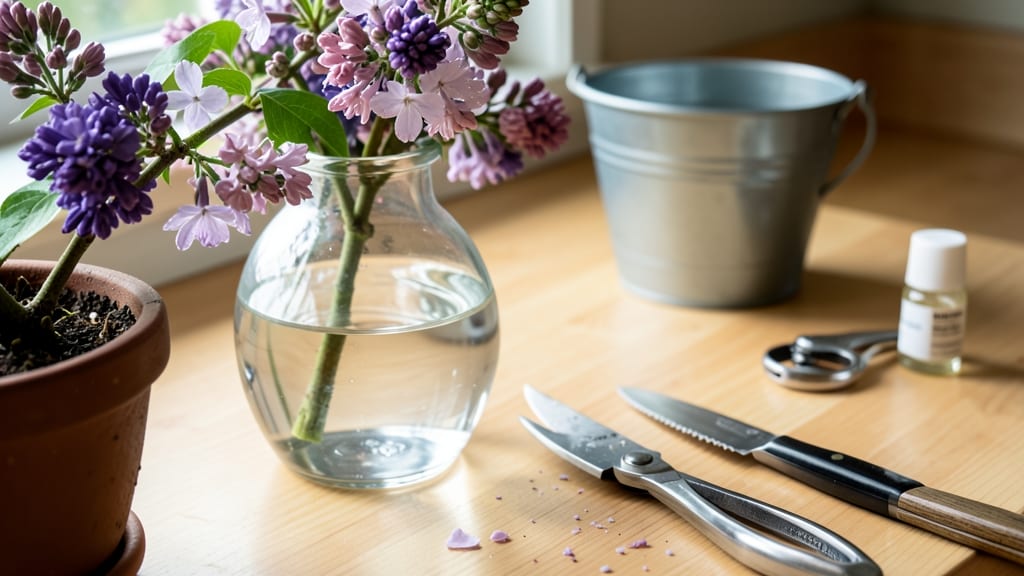
How to keep cut lilacs from wilting—here’s the trick that’ll make your bouquets last 3-5 days longer. 🌸 I’ve saved dozens of bouquets from wilting too soon by using a sugar water solution—it’s the secret florists don’t want you to know. The key isn’t just what you add to the water, but how you prepare the stems first.
Most people ruin their lilacs before they even hit the vase. You’ll need sharp pruners, clean water, and a few household staples—no fancy flower food required. The real magic happens when you combine proper cutting technique with the right water chemistry to slow wilting and feed the blooms.
By the end, your lilacs will stay vibrant, their petals crisp, and their scent stronger for days beyond what store-bought arrangements promise. The best part? This method works for any cut flowers, not just lilacs—once you master it, your whole bouquet game changes.
We’ll cover the exact sugar-to-water ratio, when to recut stems, and how to avoid the two biggest mistakes that turn fresh-cut lilacs into sad, droopy messes. Trust me, your future bouquets will thank you.
📚 In This Guide
- What you need
- Instructions
- Tips and common mistakes
- Wrapping up and next steps
What you need
- ● Freshly cut lilacs: Harvest stems with at least 4-6 inches of stem length (longer stems = better hydration). Cut at a 45-degree angle for maximum water absorption.
- ● Clean, sharp pruners or scissors: Use sterilized tools to avoid bacterial contamination (rubbing alcohol works great!).
- ● Distilled or lukewarm tap water: 1 quart (32 oz) per vase or container. Avoid cold water, which can shock the flowers.
- ● White granulated sugar: 2 tablespoons (for the sugar water solution—more on this below!).
- ● Vase or clean container: Choose one with a narrow neck (e.g., mason jars, glass vases) to minimize water exposure to air.
- ○ Floral preservative (optional but recommended): 1 packet (e.g., Floralife or Flowertone) for added longevity.
- ● Bleach or hydrogen peroxide: 1-2 drops of unscented bleach or 3% hydrogen peroxide per quart of water to prevent bacterial growth.
- ● Aspirin or acidifier: ¼ crushed aspirin or 1 teaspoon lemon juice per quart to slow bacterial growth.
- ● Floral foam or hydrating gel: For arrangements where stems can’t reach water directly.
- ● Sharpie or marker: To label your lilac vase if you’re experimenting with different solutions!
Step-by-Step instructions for extending cut lilac blooms
Here’s the foolproof method I’ve used for years to keep cut lilacs vibrant and fresh for over a week.
💧 Step 1: Prepare the Vase and Water
Start with a clean vase—bacteria buildup from old flowers will shorten your lilacs’ life. Fill it with lukewarm water (cold water can shock the stems, while hot water may cook them). Use enough to submerge the stems by 2-3 inches once cut—this prevents air bubbles from blocking water uptake.
Here’s the trick: add 1 tablespoon of white granulated sugar per quart of water. The sugar feeds the flowers directly, keeping them hydrated and perky. I like to stir it in until fully dissolved—undissolved sugar can clump and create a gummy mess. Skip the bleach or flower preservatives; lilacs thrive with just sugar and clean water.
✂️ Step 2: Cut the Stems Properly
Use sharp scissors or pruners to cut the stems at a 45-degree angle about 1 inch above a leaf node. This angled cut increases the surface area for water absorption. Avoid cutting too close to the leaves—you’ll want at least 2-3 inches of stem submerged in water to prevent wilting.
Real talk: Don’t skip this step. A clean, angled cut lets the stems drink up water like a straw, while a jagged or straight cut slows hydration. If your stems are already limp, trim them again underwater to remove any blocked ends before placing them in the vase.
🌿 Step 3: Arrange and Refresh Daily
Place the lilacs in the prepared vase immediately after cutting. Remove any lower leaves that would sit underwater—these rot and foul the water. Arrange the stems loosely so they don’t crowd each other; tight clusters can trap moisture and encourage bacterial growth.
Change the water and add fresh sugar every 2-3 days, even if the water doesn’t look dirty. Lilacs are heavy drinkers, and stale water speeds up wilting. I like to give the vase a quick rinse before refilling—it removes any hidden bacteria or debris that could shorten their lifespan.
☀️ Step 4: Keep Them Cool and Out of Direct Sun
Lilacs wilt fastest in heat or direct sunlight. Place your vase in a spot with indirect light, like a shaded windowsill or a cool room away from radiators. Avoid kitchens or bathrooms with fluctuating temperatures—consistent 60-70°F keeps them fresh the longest.
If you notice buds starting to open, move the vase to a slightly cooler spot. Heat speeds up blooming, which drains the flowers’ energy faster. A simple trick: Place the vase on a bed of ice cubes (not directly touching the stems) to keep the water cool without shocking the flowers.
Tips & tricks for extending lilac blooms
Here's how to turn a few simple steps into a week of vibrant lilacs—no fancy tricks needed.
Cutting Technique: The 45-degree angle in Step 2 isn't just about looks—it's about science. This angled cut exposes more stem surface area, letting the lilacs drink up water like a straw. If your stems are already limp when you bring them home, trim them again underwater right before arranging. This removes any blocked ends that might be preventing hydration. Think of it like unclogging a hose—your lilacs need that clear path to water!
Sugar Solution: That 1 tablespoon of sugar per quart of water in Step 1 does more than just feed the flowers. It creates an osmotic balance that helps the stems absorb water more efficiently. Stir it until fully dissolved—undissolved sugar can create a sticky mess that actually traps bacteria. I've seen people skip this and wonder why their lilacs wilt faster. The sugar isn't just sweetener; it's fuel for your blooms.
Environmental Control: The 60-70°F temperature range in Step 4 is your sweet spot. Too hot and the blooms will open too fast, draining their energy. Too cold and the stems won't absorb water properly. I've noticed that placing the vase on a bed of ice cubes (not touching the stems) can help maintain that ideal temperature without shocking the flowers. It's like giving them a cool drink without overdoing it.
Refresh Routine: Changing the water every 2-3 days in Step 3 might seem like overkill, but trust me—lilacs are heavy drinkers. Stale water breeds bacteria that clogs the stems faster than you can say "wilting." I make it easy by keeping a small spray bottle of clean water nearby to give the stems a quick rinse between refreshes. This keeps them hydrated and happy between full water changes.
Pro Tips for Keep Cut Lilacs From Wilting
- Here's how to turn a few simple steps into a week of vibrant lilacs—no fancy tricks needed.
- Cutting Technique: The 45-degree angle in Step 2 isn't just about looks—it's about science. This angled cut exposes m...
- Sugar Solution: That 1 tablespoon of sugar per quart of water in Step 1 does more than just feed the flowers. It crea...
Frequently asked questions
about keeping cut lilacs fresh—because nobody wants droopy blooms ruining the vibe!Can I use regular sugar instead of white granulated sugar?
While regular sugar can work, white granulated sugar dissolves faster and avoids cloudiness in your water. Brown sugar or raw sugar may leave residue, shortening vase life. Stick to refined white sugar for best results—your lilacs will thank you!
How long will lilacs last with the sugar water trick?
With proper care (sugar water + clean vase), lilacs typically last 7–10 days. Some varieties may even stretch to 2 weeks if you refresh the water every 2–3 days and trim stems. Patience is key—don’t rush to toss them!
What if my lilacs start wilting after adding sugar water?
Don’t panic! Check these fixes:
- Recut stems at a 45° angle under water to improve uptake.
- Replace the sugar water—old solution loses effectiveness.
- Move lilacs to a cooler spot (avoid direct sunlight or heat sources).
Are there store-bought flower preservatives better than DIY sugar water?
Store-bought preservatives (like Floralife) can work, but they’re pricier and often contain sugar + acids. For lilacs, a DIY mix (1 tsp sugar + 1 tsp bleach per quart of water) is just as effective—and way cheaper. Test both to see what your blooms prefer!
Can I reuse the sugar water for future bouquets?
Nope! Sugar water degrades quickly—bacteria and algae grow within 24–48 hours, clogging stems. Always make a fresh batch for each bouquet. Think of it like coffee: stale = sad lilacs. →
Wrapping up and next steps
With these simple tricks—especially the sugar water secret—your cut lilacs can stay fresh and vibrant for days longer than you’d expect! 🌸 Whether you’re gifting a bouquet or treating yourself, a little prep work makes all the difference.
Now that you’re armed with the know-how, go ahead and experiment with your own floral arrangements—you’ve got this!
💡 Next step: Try your hand at preserving other cut flowers using the same principles. Which blooms will you test first?