
Container Gardens
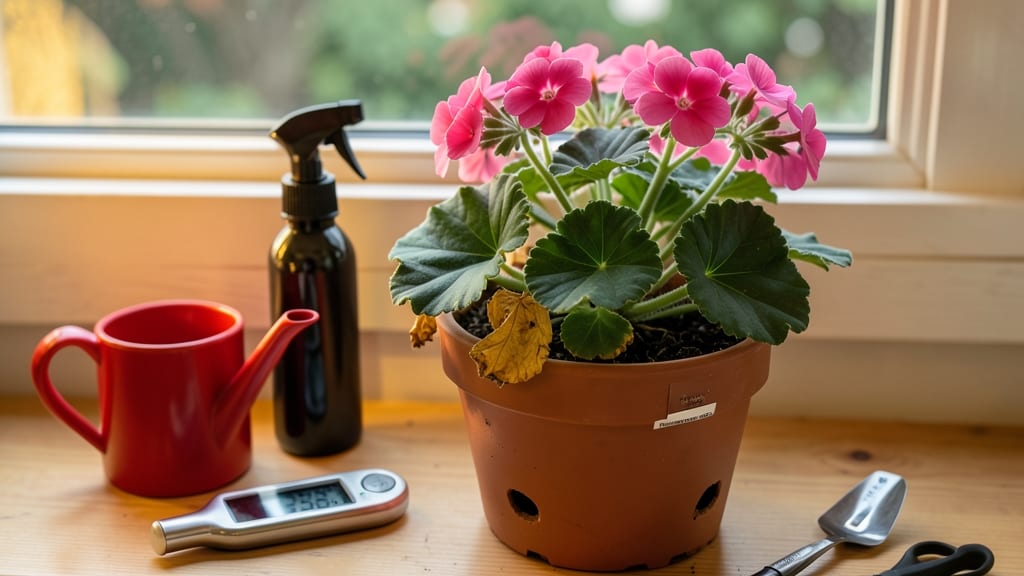
How to keep geraniums over winter indoors without losing them—your plants don’t have to die when winter comes. 🌱 I’ve saved mine for five years now using this simple indoor method that keeps them lush and ready for spring planting. The key is catching them before the first frost and giving them exactly what they need—light, warmth, and gentle care—to survive the dark months.
Most people overwater or over-prune, which stresses the plants and leads to leggy, weak growth. Instead, we’ll focus on bright indirect light, minimal watering, and light pruning to keep them compact and healthy.
By February, you’ll have sturdy stems ready to transition back outside—no shock, no stress, just revival.
You’ll need a sunny window, a small pot with drainage, and a spray bottle for humidity. The process takes about 15 minutes to set up, and with proper care, your geraniums will stay vibrant until spring. The best part? You’ll avoid the heartbreak of losing them every winter.
This method works for all geranium varieties—zonal, ivy, and even scented types—so you can keep your favorites thriving year after year. Let’s get those plants through winter without losing a single leaf.
📚 In This Guide
- What you need
- Instructions
- Tips and common mistakes
- Wrapping up and next steps
What you need
- ● Healthy geranium plants: Choose plants with no signs of disease (e.g., black spots, wilted stems) and prune back to 3–4 inches tall before bringing indoors.
- ● Well-draining pots: 1–2 pots per plant (6–8 inches in diameter), with drainage holes (or repurpose existing pots if they’re clean).
- ● Fresh potting mix: 1–2 bags of light, well-draining soil (e.g., cactus/succulent mix or a blend of 50% potting soil + 50% perlite/sand). Avoid garden soil—it’s too dense!
- ● Pruning shears or clean scissors: Sterilize with rubbing alcohol to prevent spreading disease.
- ● Spray bottle: For gentle watering (1 small bottle, 8–16 oz).
- ● Grow lights or a sunny windowsill: South- or west-facing windows (or a LED grow light for 12–14 hours/day if natural light is limited).
- ○ Humidity tray or pebble tray: Optional but helpful for dry indoor air (fill a shallow tray with water + pebbles).
- ● Fungicide: Copper-based or neem oil spray (1 bottle) to prevent fungal issues in humid indoor environments.
- ● Plant labels: To track varieties and watering schedules.
- ● Thermometer/hygrometer: To monitor temperature (ideal: 50–65°F) and humidity (40–60%).
- ● Slow-release fertilizer: Balanced (10-10-10) or low-nitrogen (5-10-10) for minimal feeding during dormancy.
- ● Insecticidal soap: For early pest detection (spider mites love indoor geraniums!).
Step-by-Step instructions for overwintering geraniums indoors
Here's how to nurse your geraniums through winter without losing them to stress or disease.
🌿 Step 1: Prune and Inspect Plants Before Bringing Them Inside
Start by cutting back each geranium to about 3-4 inches tall using clean, sharp scissors. This removes any weakened growth from summer and helps the plant focus energy on root survival. I always disinfect my tools with rubbing alcohol first—geraniums are prone to fungal issues when stressed.
Inspect the stems and leaves for signs of pests like spider mites or whitefly. A gentle spray with water will often dislodge them, but if you see persistent infestations, treat with neem oil before bringing them inside. Pay special attention to the undersides of leaves—this is where pests hide.
☀️ Step 2: Acclimate Geraniums to Indoor Light Gradually
Don't move your geraniums directly from bright outdoor light to dim indoor spaces. Instead, place them in a bright, east-facing window for 3-5 days to adjust. You'll notice the leaves start to darken slightly as they adapt to lower light levels—this is normal and temporary.
If your home has limited natural light, supplement with a grow light for 12-14 hours daily. Keep the light 6-8 inches above the plants to prevent leggy growth. Avoid placing them near heat vents or drafty windows—geraniums hate temperature swings, which can cause leaf drop.
🪴 Step 3: Repot and Adjust Watering Routine
Check the roots for rot or circling—if you see any, trim them with sterilized scissors and repot into fresh, well-draining potting mix. I use a mix of 50% potting soil and 50% perlite to prevent compaction. Choose pots with drainage holes to avoid soggy roots, which geraniums despise.
Reduce watering significantly once indoors. Let the top 1-2 inches of soil dry out completely between waterings—geraniums in winter need far less moisture. Overwatering is the #1 killer of overwintering geraniums, so I always check soil moisture with my finger before watering.
⏰ Step 4: Maintain Consistent Temperature and Humidity
Keep your geraniums in a spot where temperatures stay between 50-60°F during the day and don't drop below 45°F at night. Avoid placing them near windows that draft at night—cold air will shock the plants and cause leaf yellowing. A sunny windowsill is ideal, but if that's not possible, a grow light setup works just as well.
Geraniums appreciate slightly lower humidity than most houseplants. If your home is particularly dry, mist the leaves lightly once a week or place the pots on a tray of pebbles with water. Just don't let them sit in standing water—this encourages root rot. Watch for crispy leaf edges, which signal the air is too dry.
🌱 Step 5: Fertilize Sparingly and Monitor for Growth
Hold off on fertilizing until you see new growth in early spring—usually around February. Once growth resumes, use a balanced, water-soluble fertilizer at half strength every 4-6 weeks. Geraniums are light feeders in winter, and over-fertilizing can burn their delicate roots.
By late winter, you should see fresh green leaves emerging from the base of the stems. This is your signal that the plant is breaking dormancy. At this point, you can gradually increase watering and light exposure to prepare for spring. If you notice any leggy growth, pinch back the tips to encourage bushier, healthier stems.
Tips & tricks for overwintering geraniums indoors
Real talk: Geraniums are tough little survivors, but winter indoors can really test them. These are the secrets I've learned after watching my own plants thrive through multiple winters.
Pruning Precision: When cutting back to 3-4 inches in Step 1, make your cuts just above a leaf node (the bump where leaves attach). This encourages new growth from the base, not just from the top. I use sterilized scissors for every plant—geraniums are notorious for spreading fungal diseases when tools aren't clean.
Light Transition Strategy: The 3-5 day acclimation in Step 2 is non-negotiable. I've seen geraniums go into shock when moved directly indoors—leaves turn yellow and drop within days. Place them where they'll get the most consistent light first, then gradually shift them if needed. That east-facing window is ideal because it provides gentle morning sun without the harsh afternoon heat.
Soil Mix Science: That 50/50 soil-perlite mix in Step 3 is crucial for preventing root rot. Perlite creates air pockets that geraniums need to breathe, especially in winter. If you don't have perlite, coarse sand works in a pinch—but don't use regular potting soil alone. The roots will suffocate, and you'll end up with a sad, wilted plant by spring.
Temperature Watch: Those 50-60°F daytime temps and 45°F minimum at night in Step 4 are critical. I've lost geraniums to drafty windows before—cold air at night causes leaf yellowing that spreads rapidly. If your home runs cold, consider a small space heater with a thermostat set to 50°F, positioned safely away from the plants.
Pro Tips for Keep Geraniums Over Winter Indoors
- Real talk: Geraniums are tough little survivors, but winter indoors can really test them.
- Pruning Precision: When cutting back to 3-4 inches in Step 1, make your cuts just above a leaf node (the bump where leaves attach).
- Light Transition Strategy: The 3-5 day acclimation in Step 2 is non-negotiable.
Frequently asked questions
about overwintering geraniums indoors—because even the best gardeners need a little extra guidance!What’s the best temperature for keeping geraniums indoors over winter?
Geraniums thrive in cool but not freezing conditions—aim for 45–55°F (7–13°C). Avoid drafts near windows or heating vents, as sudden temperature swings can stress them. A basement, garage (with ventilation), or a sunny windowsill works well. Pro tip: If your home is too warm, place them on a cool tile floor or use a fan to mimic outdoor breezes.
When should I bring my geraniums inside before winter?
Start moving them indoors before the first frost (typically late September to early November, depending on your climate). Look for consistent nighttime temps below 50°F (10°C) as your cue. Waiting too long risks cold damage, while bringing them in too early can trigger early dormancy. Pro tip: If unsure, check your local frost date—geraniums are tough but not frost-proof!
How often should I water geraniums indoors in winter?
Cut back on watering! Geraniums in dormancy need far less moisture—water only when the top inch of soil is dry (about every 2–3 weeks). Overwatering leads to root rot, so use pots with drainage holes and avoid saucers with standing water. Pro tip: Mist leaves lightly if the air is very dry, but avoid soggy soil.
Can I overwinter geraniums in bright indoor light, or do I need a grow light?
A south-facing window with 6+ hours of sunlight is ideal, but most homes lack enough light for geraniums to thrive long-term. If leaves look pale or leggy, supplement with a grow light (12–14 hours/day). Skip fluorescent bulbs—opt for full-spectrum LEDs instead. Pro tip: Rotate pots weekly for even growth!
What should I do if my geranium leaves turn yellow or drop during winter?
Yellowing or dropping leaves are normal in dormancy, but check for these fixes:
- Too much light? Move to indirect light.
- Too little water? Soak soil lightly (but don’t overdo it).
- Pests (like spider mites)? Wipe leaves with neem oil.
- Root rot? Ensure pots drain well and trim mushy roots.
Wrapping up and next steps
Keeping your geraniums thriving through winter indoors is totally doable with the right care! By pruning, repotting, and providing the perfect balance of light, water, and humidity, you’ll wake them up refreshed and ready to bloom again in spring.
Remember, patience and consistency are key—your geraniums will reward you with vibrant growth when the warmer months return.
Now that you’re armed with these tips, give your geraniums the love they deserve! Next, check out our guide on reviving leggy or stressed plants—because every gardener deserves a second chance with their green babies. 🌱✨