
Pests
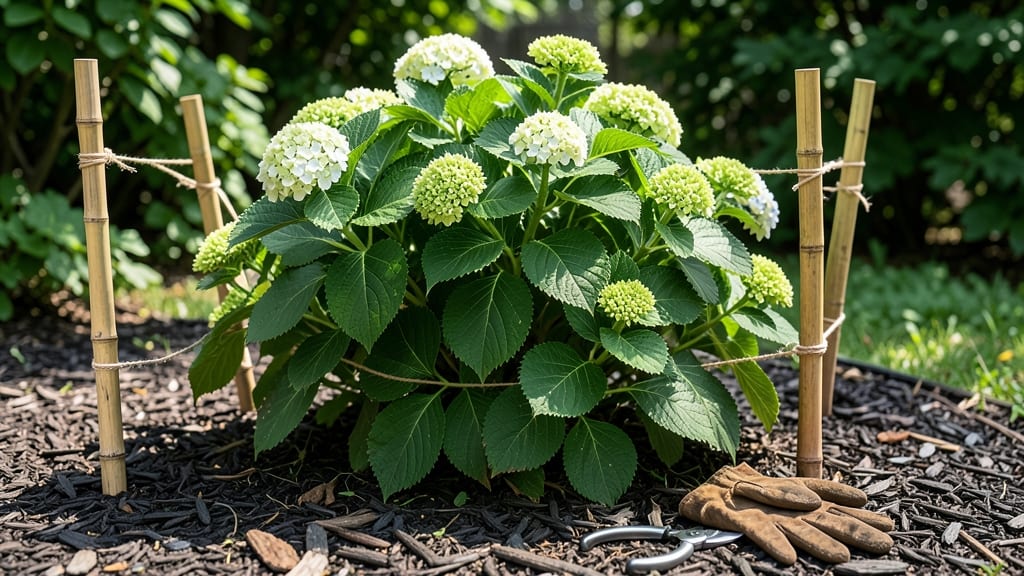
How to keep hydrangeas upright—that’s the goal every gardener wants to achieve, but droopy blooms can quickly turn a stunning garden bed into a sad, floppy mess. 🌿 The secret isn’t just staking—it’s understanding why they sag in the first place (weak stems, overwatering, or poor soil support). I’ve turned my own droopy hydrangeas into sturdy showstoppers using these proven techniques that work for both mophead and panicle varieties.
The fix starts with the right support system: bamboo stakes or flexible garden stakes (nothing flimsy) placed at planting time, not after the problem appears. Pair that with well-draining soil—hydrangeas hate soggy roots—and a balanced fertilizer (like 10-10-10) to strengthen stems from the ground up.
Prune back last year’s growth by ⅓ in early spring to encourage new, sturdy wood.
You’ll see the difference within 4-6 weeks: blooms staying upright, leaves perking up, and stems thick enough to support those heavy flower heads. The key is consistency—check stakes monthly to ensure they’re still snug, and water deeply but less frequently (1-1.5 inches per week) to avoid weak, waterlogged stems.
Works for both container-grown and in-ground hydrangeas, and the same principles apply whether you’re dealing with mophead (the classic round blooms) or panicle (cone-shaped) varieties. Let’s get those hydrangeas standing proud again!
📚 In This Guide
- What you need
- Instructions
- Tips and common mistakes
- Wrapping up and next steps
What you need
- ● Sturdy stakes: 3–4 bamboo, wooden, or metal stakes (4–6 feet tall, depending on plant size). Pro tip: 💡 Use 3 stakes per hydrangea for maximum support!
- ● Soft plant ties: 3–4 garden twine, fabric strips, or Velcro plant ties (avoid wire—it can damage stems).
- ● Garden gloves: A pair to protect your hands while working.
- ○ Pruning shears: Sharp, clean shears for trimming dead or weak stems (optional but helpful).
- ● Balanced fertilizer: A slow-release, low-nitrogen fertilizer (e.g., 5-10-10) to strengthen stems.
- ● Mulch: Organic mulch (e.g., shredded bark or straw) to retain moisture and stabilize soil.
- ● Cage or spiral supports: Pre-made hydrangea cages for a no-fuss solution.
- ● Epsom salt: 1 tablespoon mixed with water (monthly spray to boost magnesium and stem strength).
- ● Pebbles or gravel: For drainage if your hydrangeas are in containers.
- ● Watering can with a rose attachment: For gentle, deep watering at the base.
Tips & tricks for perfect hydrangea support
Between us, the difference between a floppy hydrangea and one that stands tall often comes down to these small but critical details.
Growth Habit Matters: Mophead varieties need support differently than panicle types—mopheads have dense clusters that can become top-heavy, while panicles have longer stems that lean. I've learned the hard way that using the same support method for both can lead to disaster. For mopheads, focus on reinforcing the center of the plant where the weight accumulates, while panicles often just need a single stake at the base to prevent leaning.
Pruning Timing is Everything: The instructions mention pruning leggy stems by one-third in early spring, but here's what nobody tells you—timing affects everything. If you prune too late in the season, you're removing potential blooms for next year. I always mark my calendar for early spring (just as buds begin to swell) and avoid any major cuts after July. This balance between structure and bloom production makes all the difference.
Stake Placement Secrets: That 45-degree angle for single-stemmed hydrangeas isn't just arbitrary—it creates a natural-looking brace that doesn't block sunlight. I've seen gardeners place stakes straight up, which can create shadows that weaken the plant. For multi-stemmed varieties, the spider cage method works beautifully, but I've found that weaving stems through the openings in a zigzag pattern distributes weight more evenly than just pushing them through randomly.
Soil Preparation Insights: The instructions mention loosening soil to 6-8 inches, but here's my pro tip: if your soil is particularly compacted, rent a soil aerator for the first season. I've transformed heavy clay gardens by aerating before planting, which gives roots the space they need to establish quickly. For the perlite mix in clay soil, I use 1 part perlite to 2 parts soil instead of 3—this gives better drainage without making the soil too loose.
Pro Tips for Keep Hydrangeas Upright
- Between us, the difference between a floppy hydrangea and one that stands tall often comes down to these small but critical details.
- Growth Habit Matters: Mophead varieties need support differently than panicle types—mopheads have dense clusters that can become top-heavy, while panicles have longer stems that lean.
- Pruning Timing is Everything: The instructions mention pruning leggy stems by one-third in early spring, but here's what nobody tells you—timing affects everything.
Frequently asked questions
Got questions about keeping your hydrangeas standing tall? You’re not alone! Here are some of the most common concerns—and practical solutions—to help your blooms stay upright all season.
Why are my hydrangeas flopping even after staking?
Floppy hydrangeas often signal overwatering or poor soil drainage. Heavy blooms can also overwhelm weak stems. Try amending clay soil with compost and watering at the base (not overhead) to prevent soggy roots. If stems are already weak, use soft ties or bamboo stakes for extra support.
When is the best time to stake hydrangeas?
Stake hydrangeas early in the season—as soon as you plant them or when new growth reaches 6–12 inches tall. This gives stakes time to settle into the soil without disturbing roots later. If you’re adding stakes to mature plants, do it before heavy blooms form (usually late spring).
Can I use regular wooden stakes instead of hydrangea-specific ones?
Yes! Wooden, bamboo, or even metal stakes work well—just avoid plastic, which can trap moisture and rot stems. For extra stability, drive stakes 6–12 inches deep and tie stems loosely with soft garden twine or fabric strips to avoid cutting into the plant. Pro tip: Angle stakes outward to mimic natural wind resistance.
What should I do if my hydrangea stems are already bent or broken?
Don’t panic! Prune damaged stems back to healthy growth (just above a leaf node) to encourage new, sturdier branches. For minor bends, gently reshape stems and secure them with soft ties. If the plant is severely weakened, consider fertilizing with a balanced 10-10-10 and reducing watering to toughen stems for next season.
Do hydrangeas need support every year, or just the first year?
Established hydrangeas (3+ years old) often need less support, but large varieties like ‘Endless Summer’ or ‘Nikko Blue’ may still flop under heavy blooms. Check annually—if stems are thin or leggy, add stakes or prune to encourage bushier growth. Mulch around the base yearly to improve soil structure and reduce flopping.
Wrapping up and next steps
Keeping your hydrangeas upright is all about strategic support—whether through sturdy stakes, proper pruning, or well-draining soil. With the right techniques, you’ll enjoy lush, perky blooms all season long! 🌸
Now that you’re armed with the know-how, give it a try—start with one plant, experiment with stakes or cages, and watch your hydrangeas thrive. Need more inspiration? Browse our garden care guides for even more tips to elevate your garden game!