
Pests
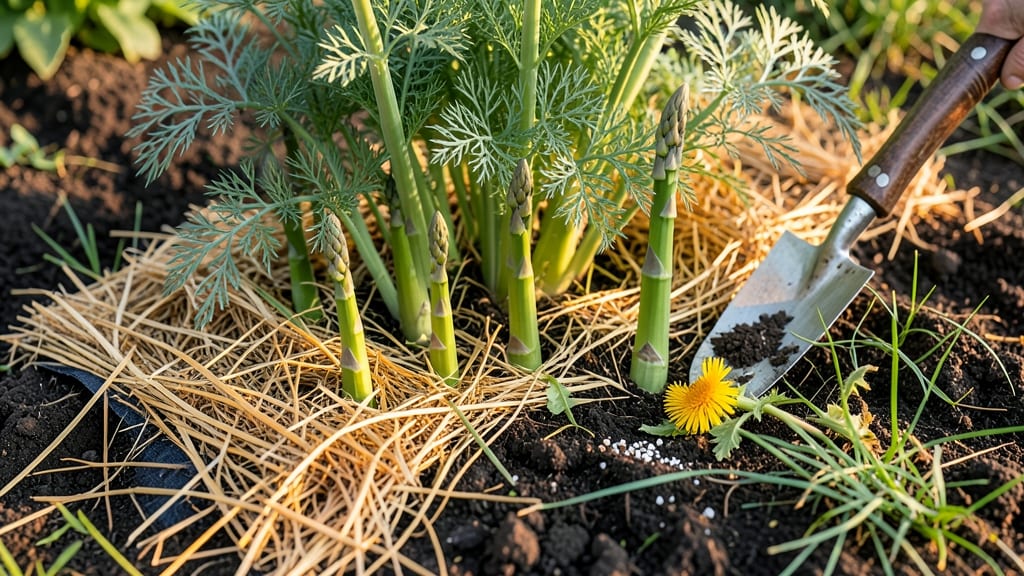
How to keep weeds out of your asparagus? 🌱 That boiling water trick saved my first bed from becoming a jungle of chickweed and crabgrass. The secret isn't just throwing hot water—it's creating a permanent barrier that smothers weeds without harming your precious spears.
I learned the hard way that mulch alone won't cut it for asparagus. Those ferns need room to breathe, and thick mulch suffocates them too.
Instead, we'll use boiling water to kill existing weeds, then maintain the zone with straw mulch—just enough to block light but not smother the crowns. By mid-summer, your asparagus will shoot up through clean soil while weeds stay at bay. The best part?
This method works for years, not just one season, and keeps your bed looking as neat as a golf course fairway. Here's where it gets interesting—you can pair this with companion planting (like onions or thyme) to create a weed-suppressing ecosystem. No more backbreaking hand-pulling or chemical battles.
Let's get that bed looking professional!
📚 In This Guide
- What you need
- Instructions
- Tips and common mistakes
- Wrapping up and next steps
What you need
- ● Boiling water: At least 1–2 gallons per 10-foot row (adjust based on weed density). Use a large pot, kettle, or even a boiling water applicator (like a DIY sprayer with a hose attachment).
- ○ Watering can or hose with shut-off valve: For pre-wetting the soil (optional but recommended for even heat distribution).
- ● Garden gloves: Heavy-duty, nitrile-coated gloves to protect your hands from hot water and sharp weeds.
- ● Garden fork or trowel: For loosening soil and creating a shallow trench (2–3 inches deep) around asparagus crowns.
- ● Measuring tape or ruler: To mark a 6–12-inch-wide barrier around your asparagus bed (standard spacing for effectiveness).
- ○ String or spray paint: To outline the treatment zone before boiling (optional but helps with precision).
- ● Black plastic mulch or landscape fabric: Lay down after boiling to suppress regrowth (reapply annually).
- ● Corn gluten meal: 10–20 lbs per 100 sq ft (sprinkle post-boiling to inhibit weed seeds from germinating).
- ● Wheelbarrow or bucket: For mixing corn gluten or hauling boiling water if you’re treating a large area.
- ○ Thermometer (optional): To check water temp—aim for 180–200°F for maximum weed kill.
Tips & tricks for perfect asparagus weed control
These practical strategies will help you maintain that weed-free zone around your asparagus beds all season long.
Timing is Everything: The 4-6 week waiting period before treatment is non-negotiable—this gives your asparagus roots time to establish properly. I've learned the hard way that treating too early can actually damage young crowns. Look for those fern-like shoots as your green light to proceed. The cooler morning temperatures (60-80°F) are ideal because the soil holds moisture better, allowing the boiling water to penetrate deeper and work more effectively.
Safety First: Working with boiling water requires serious precautions. I can't stress enough how important it is to wear heat-resistant gloves and protective footwear—boiling water can cause severe burns that take days to heal. That long-handled spoon isn't just for stirring; it's your barrier between you and potential burns. Remember, you're working with water at 212°F, so treat it with the same caution you would a hot stove.
Precision Application: When creating that 6-inch barrier, think of it like drawing a perfect circle around each plant. The key is consistency—aim for that steady stream that penetrates about 2 inches deep. You'll know you're doing it right when you see steam rising and hear that satisfying sizzle. This isn't about dousing the entire bed; it's about creating a targeted zone that weeds simply can't cross. Focus on that drip line where the ferns reach their full spread.
Long-Term Maintenance: The 4-6 week reapplication schedule is your best defense against persistent weeds. I've found that sticking to this timeline creates that hardened soil crust over time that naturally repels new weed seeds. After each treatment, that deep watering with cool water is crucial—it helps the soil recover and prevents heat stress on your asparagus roots. Think of it as giving your plants a refreshing drink after their hot treatment.
Pro Tips for Keep Weeds Out Of Asparagus
- These practical strategies will help you maintain that weed-free zone around your asparagus beds all season long.
- Timing is Everything: The 4-6 week waiting period before treatment is non-negotiable—this gives your asparagus roots time to establish properly.
- Safety First: Working with boiling water requires serious precautions.
Frequently asked questions
about keeping weeds out of your asparagus patch—because even the best gardeners have doubts! Here are answers to the most common queries to help you maintain a lush, weed-free asparagus bed with ease.Can I use boiling water on asparagus plants themselves?
No, avoid pouring boiling water directly on asparagus plants—it can damage or kill them! The boiling water barrier method is designed to create a perimeter around the bed (about 6–12 inches from the crowns) to smother weeds without harming your asparagus. Always target weeds and soil, not the plants.
How often should I reapply boiling water to the barrier?
Reapply boiling water once a month during the growing season (spring to fall) to maintain the weed-blocking effect. If heavy rains dilute the barrier or weeds start creeping back, repeat the treatment sooner. Consistency is key—think of it like a weed-proof moat!
What if weeds grow inside the asparagus bed?
Hand-pull weeds inside the bed gently to avoid disturbing asparagus roots. Use a hula hoe or hand weeder to minimize soil disruption. For stubborn weeds, spot-treat with vinegar (1 part vinegar to 3 parts water) or a mulch of straw—just avoid herbicides near your asparagus.
Does the boiling water method work in cold climates?
Yes! The method is effective year-round, but timing matters. In cold months, apply boiling water before the first hard frost to prevent weed seeds from germinating. In winter, a thick layer of straw mulch (4–6 inches) can also suppress weeds naturally while insulating your asparagus crowns.
Are there non-boiling water alternatives for weed control?
Try these low-effort alternatives:
- Mulch: Spread straw, wood chips, or grass clippings (3–4 inches thick) around the bed to block sunlight.
- Landscape fabric: Lay fabric under mulch (leave edges buried to prevent weeds from sneaking in).
- Corn gluten: Apply as a pre-emergent in early spring to stop weed seeds from sprouting.
- Sheep grazing: If you have livestock, let sheep graze the area—they’ll munch weeds while leaving asparagus untouched!
Pro Tip: Combine methods for best results!
Use boiling water as your primary barrier and supplement with mulch or hand-weeding inside the bed. This dual approach keeps weeds at bay with minimal effort while protecting your asparagus investment.
Wrapping up and next steps
Keeping weeds at bay in your asparagus patch doesn’t have to be a battle—just a simple, natural strategy like the boiling water barrier! By smothering weeds with heat and consistency, you’ll protect your asparagus crowns while avoiding harsh chemicals.
The key? Patience and persistence—soon, your garden will thrive with fewer weeds and more delicious harvests.
Ready to take action? Grab your kettle or hose and try this method this weekend—your future asparagus feasts will thank you! 🌱✨