
How To
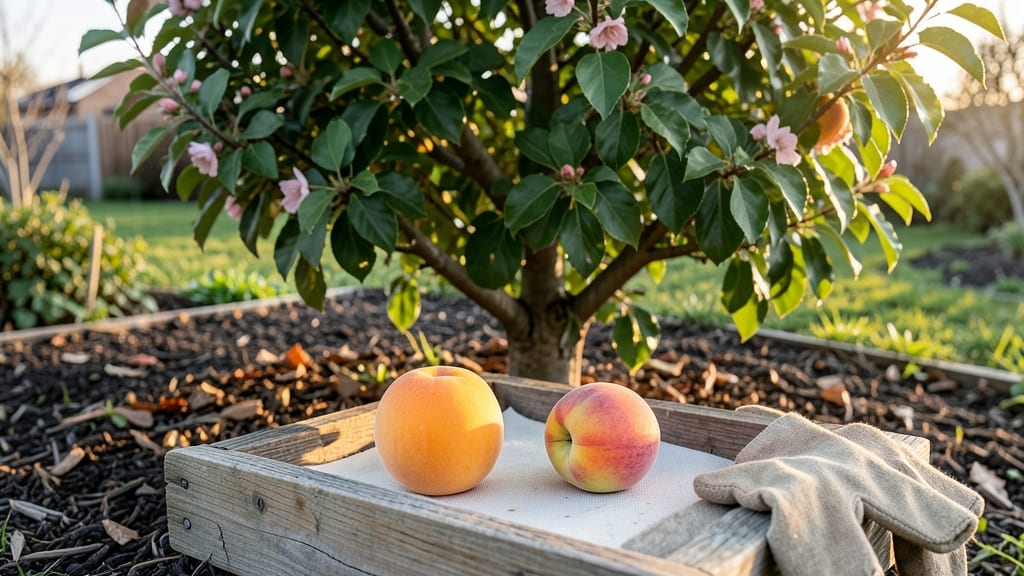
How to know when apricots are ripe can turn a mediocre harvest into a sweet, juicy triumph—or leave you with fruit that’s either too hard or mushy. The difference lies in paying attention to subtle cues most gardeners overlook, and I’ll show you exactly what to look (and feel) for.
Picture this: you’ve been waiting all summer for those vibrant orange fruits to ripen, but how do you know the moment is just right? It’s not just about color—though that’s part of it.
The real secrets hide in the fruit’s texture, scent, and even how it responds to a gentle twist. Mastering these 5 sensory tests will ensure you never miss the perfect picking window again.
Overripe apricots? No problem. I’ll also share how to spot them early and what to do if you’ve already picked too soon. Whether you’re a first-time apricot grower or a seasoned gardener, these tips will help you harvest at peak flavor every time—no guesswork required.
Ready to transform your apricot picking game? Let’s dive into the simple, foolproof methods that’ll have you enjoying homegrown fruit at its absolute best, from mid-summer right through August.

5 Sensory tests to determine apricot ripeness (color, touch, scent, and more)
Apricots are at their peak when they pass all five sensory tests—color, touch, scent, stem separation, and size. These cues work together to tell you exactly when to pick for that perfect balance of sweetness and texture.
I’ve learned that ignoring even one test can lead to fruit that’s either underripe and tart or overripe and mushy.
Start by examining the fruit’s color, which is your first clue. Ripe apricots transition from green to a vibrant orange-yellow hue, sometimes with a slight reddish blush.
The color change happens gradually, so check your tree every 2-3 days during the harvest window. Pay special attention to the side facing the sun—it’ll ripen first.
Next, use your fingers to test firmness. A ripe apricot should yield slightly when pressed with your thumbnail—think of it like the give of a ripe peach.
If it feels rock-hard, it’s not ready. If it’s too soft or leaves an indentation, it’s overripe. This tactile test is my go-to because it’s quick and reliable.
Now for the scent test: Hold an apricot close to your nose and sniff. A ripe one will release a sweet, floral aroma—almost like honey and apricot nectar.
If it smells dull or bland, it’s not ready. This is especially useful for varieties like ‘Blush’ or ‘Royal’ that don’t always show obvious color changes.
Here’s where many gardeners miss the mark: stem separation. Gently twist the apricot while holding the stem. If it separates cleanly with just a slight tug, it’s ripe. If the stem resists or snaps off, the fruit needs more time.
This test is critical because it tells you the fruit is ready to be picked without damaging the tree.
Finally, compare the fruit’s size to its peers. Ripe apricots are typically 1.5–2.5 inches in diameter, though this varies by variety. Look for consistent sizing across the tree—if some are noticeably larger, they’re likely the first to ripen and should be picked soon.
Pro tip: Harvest in the morning when temperatures are cooler. This helps preserve the fruit’s sweetness and texture. I’ve found that apricots picked in the heat of the day can spoil faster, even if they look ripe.
Always use a clean, sharp pair of pruners or your hands to avoid bruising the fruit.
If you’re unsure whether an apricot is ready, pick a few and let them ripen indoors. Place them in a paper bag with a banana or apple—the ethylene gas from these fruits speeds up ripening.
Check them daily until they pass all five tests. This method works wonders for late-season apricots that need a little extra time.
Remember, every apricot tree and variety is unique. Some, like ‘Moongold’, ripen earlier, while others like ‘Tilton’ hold on to the tree longer. Keep a harvest journal to track ripening patterns in your specific climate. Over time, you’ll develop an instinct for the perfect moment to pick.
🌱
5 Sensory tests to determine apricot ripeness (color, touch, scent, and more)
Ripe apricots offer a burst of sweetness and tender texture, but spotting them at peak ripeness requires checking multiple clues. Unlike some fruits, apricots don’t ripen well after picking, so timing your harvest is critical.
I’ve learned to rely on a mix of visual cues, tactile tests, and even aroma checks to avoid the disappointment of mealy or underripe fruit.
Start by examining the fruit’s color—ripe apricots transition from green to a vibrant orange-yellow, sometimes with a faint blush. The skin should also feel slightly soft to the touch, almost yielding when pressed gently with your thumbnail.
If the fruit feels hard or springs back immediately, it’s not ready yet. These simple tests have saved me from picking apricots too early, which can ruin their flavor.
| Test | What to Look For | Action |
|---|---|---|
| Color | Vibrant orange-yellow, no green | Pick if 90%+ colored |
| Touch | Skin yields slightly to thumb pressure | Gently press—no bounce back |
| Stem Twist | Fruit separates easily from tree | Twist gently—should come free |
| Scent | Sweet, fruity aroma near stem | Sniff—should smell ripe, not sour |
| Size | Fully grown, no longer expanding | Compare to nearby fruit |
Don’t overlook the scent test, which is often the most reliable indicator. A ripe apricot will release a sweet, floral aroma near the stem when gently squeezed. If it smells bland or slightly sour, it’s not ready.
I’ve also noticed that apricots ripen faster in direct sunlight, so check the sunniest branches first. Early morning is the best time to harvest, as the fruit is cooler and less prone to bruising.
One mistake I made early on was picking apricots based solely on color, only to find they were still hard inside. Now, I combine all five tests—color, touch, stem twist, scent, and size—to confirm ripeness.
This multi-step approach ensures I never miss the perfect moment. Overripe apricots, on the other hand, will feel mushy and may split open, so timing is everything.
Pro tip: If you’re unsure, pick a few apricots and let them ripen indoors at room temperature. Place them in a paper bag with a banana to speed up the process—ethylene gas from the banana triggers ripening.
Within 2-3 days, you’ll know if they’re ready or still need time. This method has saved many a batch of underripe apricots from going to waste.
Remember, apricots are climacteric fruits, meaning they ripen best on the tree. Once picked, their ripening process slows dramatically. So trust your senses, and you’ll always enjoy that perfectly sweet, juicy bite that makes homegrown apricots worth the wait. 🍑