
How To
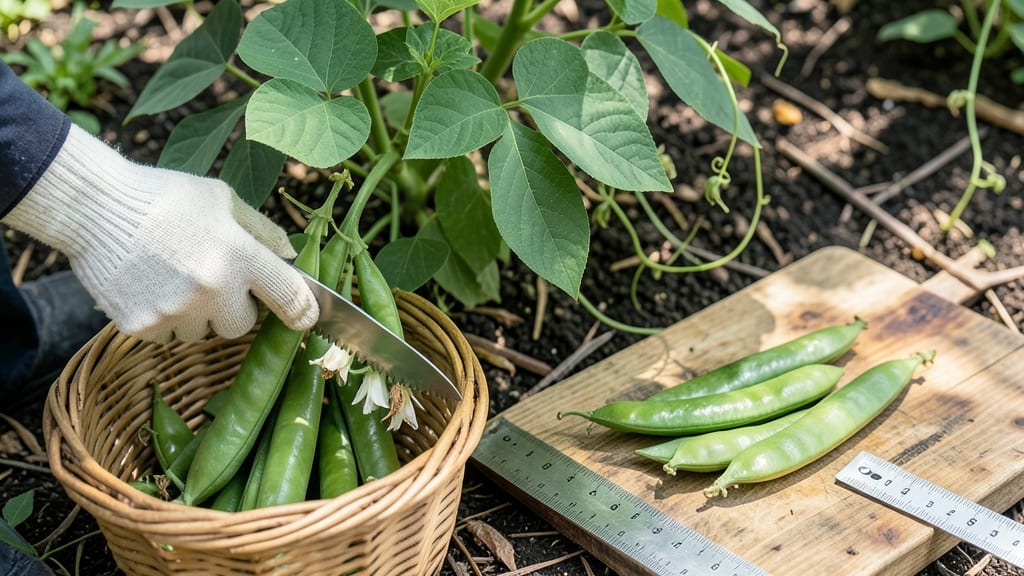
How to know when beans are ready to harvest can make the difference between a garden full of crisp, delicious pods and one filled with tough, stringy disappointments. Many gardeners overlook the subtle visual cues that signal peak harvest time, leading to missed opportunities for the best flavor and texture.
If you've ever wondered why some beans taste perfect while others are still hard or already woody, the answer lies in understanding the three key visual signs that indicate your beans are ready.
From pod size to color and firmness, these clues are your secret weapon for harvesting at the perfect moment.
In this guide, I'll walk you through exactly what to look for—whether you're growing bush beans or pole varieties—and how to avoid common mistakes that ruin your crop. You'll learn the science behind bean maturity and why timing matters more than you might think.
Ready to transform your garden into a bean-picking powerhouse? Let’s dive into the simple, actionable steps that will ensure you never miss another harvest again.

3 Key visual signs your green beans are harvest-ready (with photos)
Green beans are one of the most rewarding vegetables to grow, but timing your harvest correctly is everything. The difference between crisp, sweet pods and tough, stringy beans often comes down to recognizing three simple visual cues.
I’ve learned the hard way that waiting too long—or picking too early—can ruin your entire harvest. Let’s break down what to look for when your beans are ready to pick.
First, pay attention to the pod length. Most green bean varieties reach harvest readiness when pods measure between 4 to 6 inches long. This is the ideal size for tender, flavorful beans. If your pods are shorter than 3 inches, they’re still maturing and need more time.
On the flip side, if they exceed 6 inches, the beans inside will start developing tough fibers and lose their crisp texture.
Next, check the pod firmness. Ready-to-harvest beans should feel firm and crisp when you gently squeeze them. If they feel soft or rubbery, they’re past their prime.
A simple trick I use is to bend a pod slightly—if it snaps cleanly with a slight crack, it’s perfect for picking. This test is foolproof and takes just seconds.
Finally, examine the seed development inside the pod. At the perfect harvest time, you should see small, undeveloped seeds through the pod’s skin. If the seeds are barely visible or still tiny, the beans need more time.
However, if the seeds have swollen and filled most of the pod, you’ve waited too long. This is when beans become tough and lose their sweetness.
Color is another subtle clue many gardeners overlook. Vibrant green pods are a sign of freshness, while dull or yellowing pods indicate the beans are overripe. I once ignored this cue and ended up with a batch of beans that were tough enough to chew like leather!
Always prioritize bright, glossy pods for the best flavor and texture.
One common mistake I see is assuming all bean varieties mature at the same rate. Bush beans and pole beans have different timelines, and even within the same type, some varieties mature faster than others.
For example, Blue Lake beans typically reach harvest readiness in 50–55 days, while Romano beans take closer to 60 days. Always check the seed packet for specific guidelines.
Pro tip: Harvest in the morning when pods are cool and crisp. This is when their flavor and texture are at their peak. Avoid harvesting after a hot day, as beans can become limp and less flavorful.
I’ve found that picking every 2–3 days encourages more production, as it signals the plant to keep flowering and setting new pods.
If you’re unsure whether your beans are ready, remember the three R’s: Right size, right firmness, and right seed stage. When all three align, you’re golden! Ignoring these cues can lead to a bitter, fibrous harvest that’s far from the tender, sweet beans you’re dreaming of.
Finally, don’t forget that regular harvesting is key to a continuous supply. The more you pick, the more your plants will produce. I’ve seen gardens where beans were left on the vine for weeks, only to find the plants had stopped producing entirely.
Stay on top of it, and you’ll enjoy a bounty of fresh, homegrown beans all season long.
Why timing matters: how overharvesting or waiting too long ruins your crop
Harvesting beans at the wrong time can turn your crisp, tender pods into tough, stringy messes—or worse, waste your entire crop. The difference between a perfect harvest and a failed one often comes down to understanding the science of bean maturity.
When you pick too early, you get undersized pods with minimal flavor. When you wait too long, the pods harden, fibers develop, and the plant’s energy shifts to seed production instead of pod growth.
Beans are fast growers, but their window for peak harvest is surprisingly narrow. Most varieties reach ideal maturity in just 50-65 days after planting. After that, the plant prioritizes seed development, and the pods become woody and inedible.
This is why experienced gardeners check their plants every 2-3 days during the harvest season—missing this window means sacrificing flavor and texture.
The tough fibers that develop in overripe beans come from lignin, a natural compound that strengthens plant structures as they mature. While lignin is essential for seed dispersal, it turns your once-tender beans into chewy, unappetizing pods.
Even worse, overripe beans reduce future yields because the plant diverts energy away from producing new pods.
On the flip side, harvesting too early means you’re wasting potential. Immature pods lack the sweetness and snap that define homegrown beans. They’re also more prone to pests and diseases because they haven’t fully developed protective layers.
Think of it like goldilocks timing—you want pods that are just right: firm, crisp, and full of flavor, but not so mature that they’ve lost their appeal.
Here’s the kicker: Different bean varieties mature at different rates. Bush beans, for example, often reach harvest readiness 2-3 weeks faster than pole beans. Even within the same variety, environmental factors like temperature and sunlight can shift the timeline.
In hotter climates, beans may mature faster, while cooler seasons can slow them down. That’s why regular monitoring is key.
To maximize your harvest, aim to pick beans every 2-3 days during peak season. This not only ensures you get the best quality but also encourages the plant to produce more pods.
Many gardeners swear by the "harvest often, harvest young" rule—it’s the secret to a continuous supply of fresh, tender beans all season long.
Pro tip: If you’re unsure whether to harvest, do the snap test. Hold a pod between your thumb and forefinger and gently bend it. If it snaps crisply, it’s ready.
If it bends without breaking, it’s past its prime. This simple trick saves you from guessing—and from ending up with a garden full of tough, overripe beans.