
How To
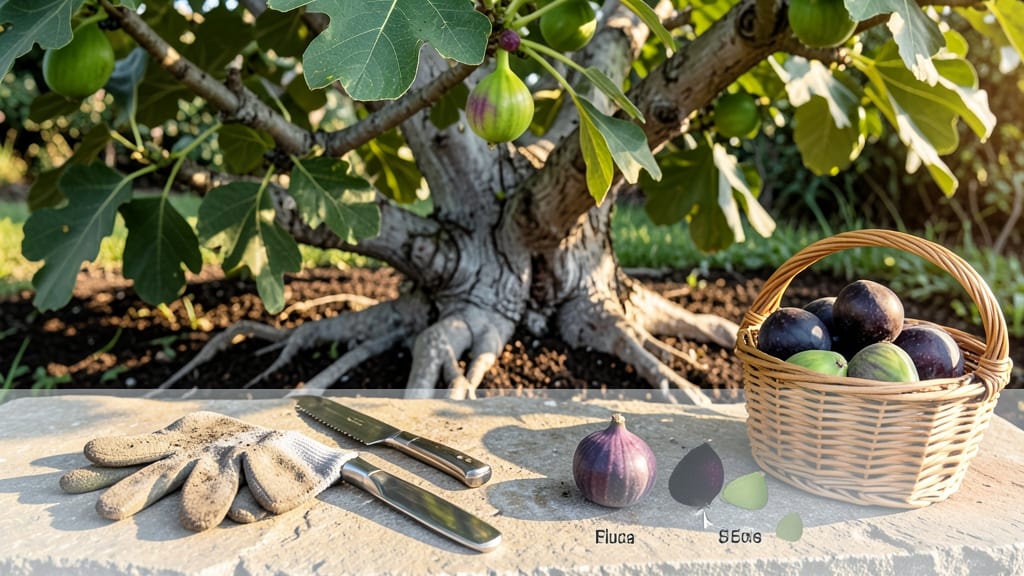
How to know when to pick figs can turn a mediocre harvest into a sweet, flavorful bounty—but one wrong move ruins everything. That perfect balance between firmness and ripeness? It’s easier to spot than you think, and missing it means ending up with tart, bird-pecked fruit instead of the jelly-like treats you crave.
Figs don’t ripen like tomatoes or avocados; they signal readiness through subtle cues only experienced growers notice at first glance. From the color shift to the gentle give when you squeeze, these visual and tactile clues are your secret weapon for timing the harvest just right.
Whether you’re growing Brown Turkey or Black Mission varieties, the same principles apply.
In this guide, I’ll walk you through the three foolproof tests that never fail—no guesswork, no wasted fruit. You’ll learn how to distinguish between underripe, perfect, and overripe figs, plus how climate and variety affect your timing. No more second-guessing, just confident harvesting every time.
Ready to transform your fig tree into a sweet-producing powerhouse? Let’s dive into the signs that tell you it’s finally time to pick—and how to store them so they stay fresh longer.

3 Visual ripeness tests for picking figs at peak sweetness
Figs are deceptive little fruits—they can look ripe but taste bland, or appear unripe yet burst with flavor. To avoid disappointment, I rely on three visual ripeness tests that work for every fig variety, from Brown Turkey to Black Mission.
Master these cues, and you’ll never miss the perfect harvest window again.
The first test is the most obvious: color change. Figs start green but mature into their signature hues—deep purple for Black Mission, brown for Brown Turkey, or yellow-green for Kadota.
When the skin shifts fully to its mature color, that’s your first green light. But don’t stop there—some varieties stay greenish even when ripe!
Next, perform the gentle squeeze test. A ripe fig should yield slightly under light finger pressure, like pressing a ripe avocado. If it feels firm, it’s not ready yet.
Overripe figs, however, become mushy—so aim for that sweet spot where the flesh gives just enough to signal perfection. This test works best in the morning when figs are coolest.
Here’s where most gardeners miss the mark: the stem detachment test. Twist a fig gently at its base—if it separates easily from the tree (with a slight popping sound), it’s ready.
If the fig resists, it’s premature. If it falls apart in your hand, you’ve waited too long. This test is foolproof because it combines ripeness with the fig’s natural detachment process.
Color Change
Look for deep purple, brown, or yellow-green hues—never green. Varieties like Black Mission turn dark purple, while Brown Turkey develops a rusty brown tint.
Gentle Squeeze Test
Press lightly—ripe figs yield slightly like overripe peaches. If it’s rock-hard, wait 2–3 days. If it’s mushy, harvest immediately or birds will beat you to it.
Stem Detachment
Twist the fig at its base—it should pop free easily. If it resists, it’s not ripe. If it falls apart, you’ve overshot the window. Pro tip: Use a small pruner for stubborn figs.
Pro tip: Harvest in the morning when figs are coolest and juiciest. The skin tightens slightly in the heat, which can trick you into thinking they’re riper than they are. Always pick figs before birds or squirrels do—once they’re ripe, wildlife will strip your tree in hours.
For container-grown figs, the same rules apply, but check for ripeness every 2–3 days since potted trees often produce smaller crops. If your figs are staying green, they might need more sunlight or warmth.
Move them to a sunnier spot or extend the growing season with a row cover.
One common mistake? Assuming all figs ripen at once. First-crop figs (from last year’s wood) ripen in late summer, while second-crop figs (from new growth) appear in fall.
Keep a harvest calendar to track both batches. If you’re in a cooler climate (Zone 7 or below), focus on cold-hardy varieties like Chicago Hardy, which ripen earlier.
Finally, never cut figs from the tree—always twist gently or use clean pruners to avoid damaging the fruit-bearing branches. A sharp twist at the base ensures the fig detaches cleanly, leaving the stem intact for next year’s crop.
Store harvested figs in the fridge for up to 5 days or eat them fresh for that jelly-like burst of sweetness.
Now that you’ve mastered the visual cues, your next challenge is avoiding the 5 biggest fig-picking mistakes—like harvesting too early or missing the second crop entirely. Stay tuned for my next section on how to salvage underripe or overripe figs! 🍇
3 Visual ripeness tests for picking figs at peak sweetness
Figs ripen quickly, so knowing the exact moment to harvest ensures maximum sweetness and texture. The three foolproof tests I rely on—color change, texture softness, and stem detachment—work for all varieties, from Brown Turkey to Black Mission.
Master these, and you’ll never miss the window again.
First, check the skin color. Most figs transition from green to their mature hue—purple, brown, or yellow—when ripe. For example, Black Mission figs darken to deep purple, while Desert King turns golden-brown. This visual cue is your first green light.
Next, perform the gentle squeeze test. A ripe fig yields slightly under light pressure (like pressing a ripe tomato). If it feels firm, it’s not ready yet. Overripe figs become mushy—so timing matters! This tactile check is my favorite because it’s instant feedback.
The stem detachment test is my final check. A ripe fig should twist off easily when you gently turn it. If the stem resists, wait another day.
This method works even for Chicago Hardy figs, which ripen later in the season. Pro tip: Harvest in the morning when sugars are highest.
For container-grown figs, these tests apply too—just be extra gentle to avoid damaging branches. I’ve learned that overwatering can make figs soften prematurely, so always pair these tests with a quick soil check. Moisture matters!
Once you’ve confirmed all three signs, it’s time to harvest. Use clean pruners or twist by hand to avoid tearing the skin. Now you’re ready to enjoy that jelly-like sweetness or preserve your bounty for later—no more guesswork! 🌱