
How To
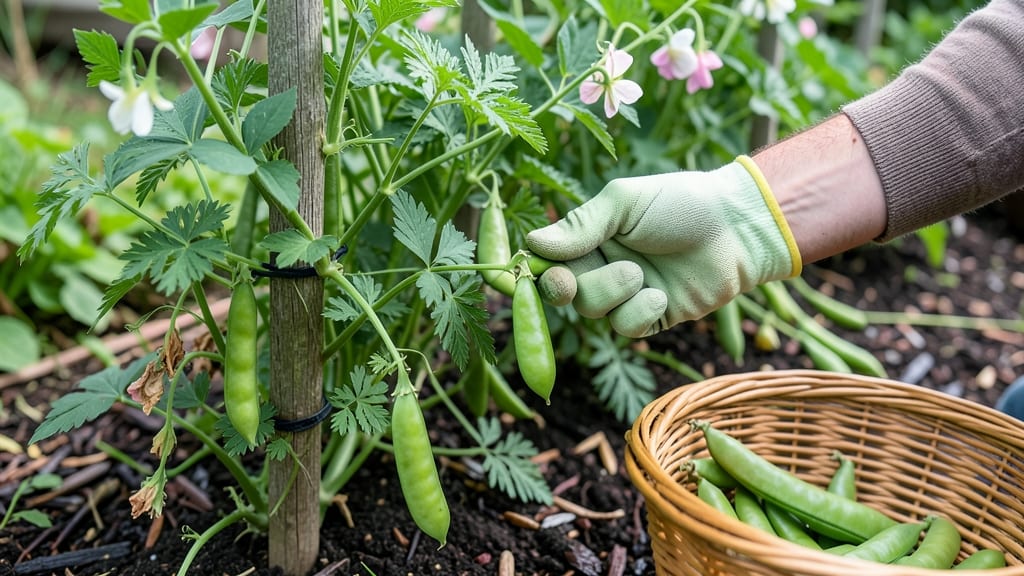
How to know when to pick peas can turn a decent harvest into a downright delicious one. Those tiny pods grow fast, but wait too long, and you’ll end up with tough, mealy peas instead of sweet, crisp perfection. The secret lies in simple cues—like pod size, color, and texture—that tell you the moment they’re ready to eat.
I’ve spent years testing the best ways to spot ripe peas, and the good news is, you don’t need a degree in botany. A quick visual check, a gentle squeeze, and even a taste test can help you nail the timing every time.
Whether you’re growing snap peas for crunch or shelling peas for sweetness, these tricks will keep your harvest at its peak.
Miss the window, and you’ll sacrifice flavor and yield. But get it right, and you’ll enjoy peas that are tender, sweet, and packed with freshness. Let’s break down the 3 foolproof tests that’ll make picking peas effortless—and your garden’s bounty unforgettable.
From avoiding woody pods to knowing when to harvest for continuous production, this guide covers everything you need. Ready to turn your pea patch into a flavor factory? Let’s get started.

3 Visual and tactile tests to determine pea ripeness
Peas are ready to pick when they pass these three simple tests: pod size, color, and texture. Skipping any of these checks can mean the difference between a sweet, tender harvest and tough, stringy pods. I’ve learned the hard way—overripe peas lose their delicate flavor fast!
Start by checking the pod length. For most varieties, aim for pods that are 2 to 2.5 inches long. This is the sweet spot where peas are fully developed but still tender. If pods are shorter than 1.5 inches, they’re not ready yet—give them another week or so.
Next, examine the pod color. Bright, vibrant green pods are a clear sign of ripeness. Avoid pods that are pale green, yellowish, or starting to brown—they’re either underripe or overripe. A healthy pea pod should look fresh, like the one in the photo below.
Don’t forget the squeeze test—this is my foolproof method. Gently press a pod between your thumb and forefinger. It should feel firm but slightly yielding, like a ripe avocado. If it feels hard or woody, it’s not ready. If it’s soft or mushy, you’ve waited too long.
For snap peas, listen for a crisp snap when you bend the pod. If it snaps easily, it’s perfect for eating fresh. For shelling peas, the pods should bend slightly without breaking—this means the peas inside are plump and sweet but not overgrown.
Pro tip: Check peas in the morning when temperatures are cooler. This is when pods are at their crispest and most flavorful. Avoid picking after a hot day, as heat can make them tough and less sweet.
Finally, peek inside the pod (if it’s a shelling variety) to confirm the peas are small and tight. If the peas inside are large and filling the pod, the flavor will suffer. Think of it like timing a cake—too early, and it’s undercooked; too late, and it’s dry.
If you’re unsure, pick a few pods and taste them. The best peas have a sweet, fresh flavor with no bitterness. If they taste bland or slightly bitter, they’re not ready yet. This quick taste test saves time and ensures you only pick the best peas.
Remember, consistent harvesting encourages more production. The more you pick, the more your pea plants will reward you with fresh pods. Aim to harvest every 2-3 days during peak season to keep your plants happy and productive.
With these three tests—size, color, and texture—you’ll never miss the perfect moment to pick peas again. Happy harvesting! 🌱
3 Visual and tactile tests to determine pea ripeness
Peas reach peak flavor when harvested at the perfect moment—neither too early nor too late. The key lies in three simple tests that combine visual cues, tactile checks, and even a quick taste test for confirmation.
Master these methods, and you’ll never miss the window for sweet, tender pods again.
Start with the pod size test. For most varieties, ideal pods should measure between 2 to 2.5 inches long. This length ensures they’re fully developed but haven’t yet become woody or overripe.
Use a ruler or even your thumb as a guide—if the pod spans from your thumb joint to the tip, it’s ready!
- 📏 Pod Size: 2–2.5" long (thumb test: joint to tip)
- 💚 Color: Bright green (no yellowing or browning)
- 🤲 Squeeze Test: Firm but yields slightly (like a ripe avocado)
The color test is your next clue. Bright, vibrant green pods signal readiness, while pale or yellowing pods mean they’re past their prime. Snap peas should have a crisp, glossy appearance, while shelling peas may show slight mottling—just avoid any pods with brown spots or wrinkled skin.
Finally, the squeeze test reveals texture. Gently press a pod between your thumb and forefinger—it should feel firm but slightly yielding, almost like a ripe avocado. If it’s rock-hard, it’s underripe; if it’s mushy or splits easily, it’s overripe.
This tactile check is especially critical for sugar snap peas, which lose their signature crunch when left too long on the vine.
For a taste confirmation, snap a pod open and sample a few peas. Sweet, tender peas should have a mild, fresh flavor with no bitterness. If they taste bland or mealy, they’ve passed their peak.
Pro tip: Harvest in the morning when sugars are highest, and enjoy your peas within hours of picking for the best flavor!
Consistency is key—check your peas every 2–3 days during peak production. The more frequently you harvest, the more your plants will produce, extending your harvest window by weeks. Overlooking this step means missing out on the sweetest, most tender pods of the season!