
Shrubs
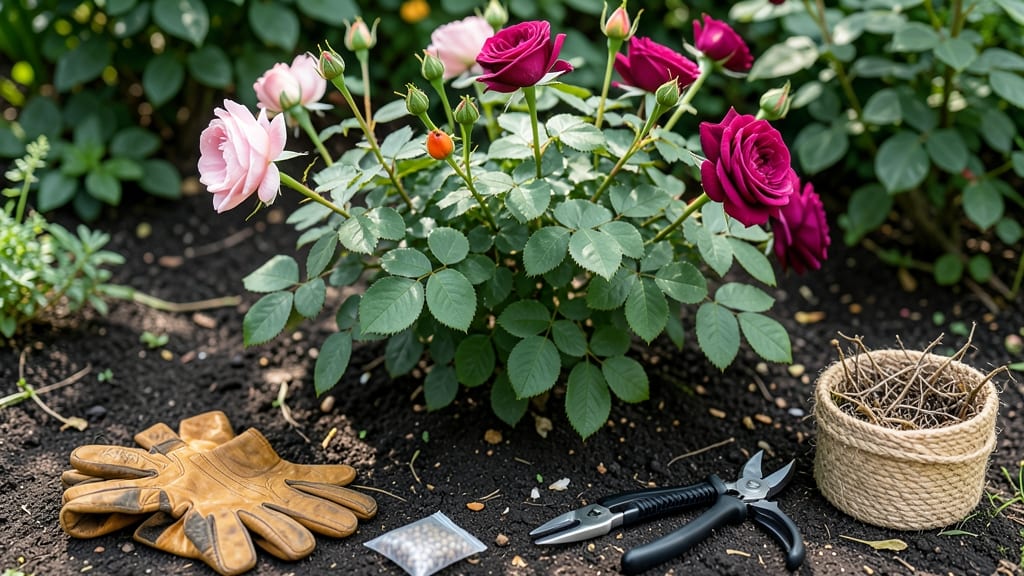
How to make a rose bush fuller—your garden could be twice as lush by next spring. ✂️ I’ve turned my own leggy, sparse roses into dense, blooming clouds with just three simple moves—pruning, feeding, and deadheading—and you can too, no matter your skill level. The secret isn’t aggressive cutting or fancy fertilizers—it’s timing and technique. Prune in late winter or early spring to remove dead wood and shape for airflow, then feed with a balanced organic fertilizer. Water deeply but infrequently to encourage strong root growth, and deadhead regularly to redirect energy into new blooms. My bushes now look like they’ve been growing for years, not struggling to fill out. You’ll see the difference in just a few weeks: fuller canes, more buds, and blooms that last longer. The key is consistency—skip a season, and you’ll lose ground fast. But once you establish the routine, your roses will become the envy of the neighborhood. Works for hybrid teas, floribundas, and even old garden roses. Let’s get those canes branching out!
📚 In This Guide
- What you need
- Instructions
- Tips and common mistakes
- Wrapping up and next steps
What you need
- ● Pruning shears or bypass pruners – Sharp, clean, and sterilized (1 pair). Avoid dull tools—they crush stems!
- ● Gloves – Heavy-duty garden gloves (1 pair) to protect from thorns and dirt.
- ● Disinfectant (70% isopropyl alcohol or bleach solution) – 1 small bottle for sterilizing tools between cuts.
- ● Compost or well-aged manure – 5–10 gallons (or enough to fill a 12-inch-deep layer around the bush).
- ● Balanced fertilizer (10-10-10 or 20-20-20) – 1–2 lbs (follow label instructions for dosage).
- ● Mulch (shredded bark, straw, or pine needles) – 2–3 inches to retain moisture and suppress weeds.
- ● Watering can or hose with a gentle spray nozzle – 1 for deep, even hydration.
- ● Rose-specific fertilizer – For a nutrient boost tailored to roses.
- ● Epsom salt (magnesium sulfate) – 1 tbsp per gallon of water to enhance blooms (use sparingly).
- ● Plant support (stakes or cages) – If your rose bush is tall or leggy.
- ● Pruning sealant – Not necessary for roses, but some gardeners use it to prevent disease on larger cuts.
Step-by-Step instructions for revitalizing a rose bush
Here's the method I've used to transform sparse rose bushes into full, vibrant bloomers—no fancy tools required.
✂️ Step 1: Prune for Structure and Airflow
Start by removing dead, diseased, or crossing branches first—these steal energy from healthy growth. I always cut back to an outward-facing bud or leaf joint, making the cut at a 45-degree angle just above it. This encourages new shoots to grow outward rather than inward.
Next, shape the bush by thinning out crowded stems. Aim to leave open space between branches—this prevents fungal diseases and lets sunlight reach the center. For hybrid teas, I keep 3-5 main stems as the framework. You'll see the bush's natural form emerge as you work.
🌿 Step 2: Fertilize for Strong New Growth
After pruning, feed your rose with a balanced rose fertilizer (10-10-10 or 5-10-5 ratio). I apply it 2-3 weeks after pruning when new shoots are 2-3 inches tall. Water the soil thoroughly first, then scatter the granules evenly around the base, keeping them 3-4 inches away from the stem.
For an extra boost, I mix in 1 tablespoon of Epsom salt per bush—it provides magnesium, which helps roses produce vibrant blooms. Water lightly after fertilizing to activate the nutrients. You'll notice fresh, dark green leaves emerging within 10-14 days, signaling the fertilizer is working.
💧 Step 3: Water Deeply and Mulch
Water the bush deeply once a week (or more in hot weather) until the soil is 6-8 inches moist. I check by inserting a screwdriver—if it goes in easily, the roots have enough water. Avoid wetting the leaves to prevent fungal diseases like black spot.
Spread a 2-3 inch layer of mulch (like shredded bark or compost) around the base, keeping it 2 inches away from the stem. This locks in moisture, regulates soil temperature, and suppresses weeds. The mulch will look slightly damp after watering—this is ideal.
🌸 Step 4: Deadhead Regularly for Continuous Blooms
As flowers fade, snip off the spent blooms just above a set of healthy leaves or buds. I use clean, sharp pruners to avoid damaging the stem. This redirects the plant's energy from seed production to growing new flowers. You'll see buds forming within 2-3 weeks of consistent deadheading.
For roses that bloom repeatedly, I deadhead every 2-3 days during peak bloom season. The key is to keep the bush looking tidy—this isn't just about aesthetics, but encouraging more flowers. If you notice buds forming but not opening, your rose might need more sunlight or water.
☀️ Step 5: Monitor Light and Adjust as Needed
Roses thrive in full sun (6+ hours daily), but if your bush is in partial shade, it may grow leggy. I check for pale, sparse foliage or stems stretching toward light—these are signs it needs more sun. If possible, move the bush to a sunnier spot next season.
If relocating isn't an option, prune back leggy growth by one-third in early spring. This encourages bushier growth from the base. You'll see thicker, more compact stems within 4-6 weeks as the rose adjusts to its light conditions.
Tips & tricks for revitalizing a rose bush
Here's what I've learned over years of transforming sparse roses into lush, blooming beauties—these little details make all the difference.
Pruning Precision: When shaping your bush in Step 1, look for branches that grow inward—they'll rub against each other and create wounds where diseases enter. Cut these first, then step back and visualize the bush's natural shape. I like to imagine a dome for hybrid teas, with the strongest stems forming the outer layer. The 45-degree angle cut isn't just tradition—it helps rainwater run off instead of pooling at the wound.
Fertilizer Timing Secret: The 2-3 week window between pruning and fertilizing is crucial—it gives your rose time to recover from the stress of cutting. I've seen roses struggle when fertilized too soon after pruning, so wait until you see those first tender green shoots at 2-3 inches tall. Pro tip: If your shoots appear yellowish, that's a sign you're over-fertilizing with nitrogen—cut back on the fertilizer and focus on phosphorus for blooms.
Deadheading Discipline: In Step 4, when you're deadheading every 2-3 days, don't just cut off the dead flower—look for the first set of 5 leaflets below it. That's your target spot for the clean cut. I keep a small pair of pruners in my pocket during bloom season because those daily checks make the biggest difference in continuous flowering. The buds that form within 2-3 weeks will be your reward for this consistency.
Light Check Visual Cues: For Step 5's light assessment, I check for three telltale signs: leaves that look more green than dark green, stems that grow taller than they are wide, and buds that form but never open. These are your rose's way of saying "I need more sun!" If you can't move the bush, prune back those leggy stems by one-third in early spring—they'll regrow more compactly within 4-6 weeks as they chase the sunlight.
Pro Tips for Make A Rose Bush Fuller
- Here's what I've learned over years of transforming sparse roses into lush, blooming beauties—these little details ma...
- Pruning Precision: When shaping your bush in Step 1, look for branches that grow inward—they'll rub against each othe...
- Fertilizer Timing Secret: The 2-3 week window between pruning and fertilizing is crucial—it gives your rose time to r...
Frequently asked questions
Got questions about transforming your rose bush into a lush, full masterpiece? Here are answers to the most common ones—so you can skip the guesswork and get straight to blooms!
When is the best time to prune for fuller growth?
Prune your rose bush in late winter or early spring (just before new growth starts). This timing ensures you’re cutting back dormant wood while avoiding frost damage. For climbers, prune after flowering. Avoid summer pruning unless removing dead or diseased branches—it stresses the plant.
How much should I cut back my rose bush to encourage fullness?
For most roses, aim to reduce the bush by about one-third—cut back to an outward-facing bud (about ¼ inch above it). Over-pruning can stunt growth, while under-pruning may leave the bush leggy. Old roses (like heirlooms) need gentler cuts—focus on shaping rather than drastic trimming.
Why isn’t my rose bush getting fuller after pruning and feeding?
If your bush still looks sparse, check these culprits:
- Poor drainage: Roses hate soggy roots. Amend heavy soil with compost or sand.
- Pests/disease: Yellow leaves or black spots? Treat with neem oil or fungicide.
- Inconsistent watering: Deep water 1–2 inches per week (more in heat).
- Wrong fertilizer: Use a balanced rose-specific feed (10-10-10 or higher phosphorus).
Can I use regular garden soil to make my rose bush fuller?
Not ideal! Roses thrive in well-draining, nutrient-rich soil. Mix your garden soil with:
- 50% topsoil
- 30% compost
- 20% perlite or coarse sand
Add a slow-release fertilizer at planting time for a nutrient boost. Mulch with aged bark to retain moisture and deter weeds.
How often should I deadhead roses for continuous blooms?
Deadhead spent blooms weekly (or daily during peak bloom) to redirect energy to new flowers. For hybrid teas and floribundas, cut back to the first 5-leaf cluster below the bloom. Repeat-blooming roses (like Knock Outs) need less aggressive pruning—just trim faded flowers to encourage bushiness.
Will pruning in hot weather harm my rose bush?
Pruning in extreme heat (above 90°F/32°C) stresses roses by increasing water loss. If you must prune in summer:
- Do it early morning or late evening.
- Avoid heavy cuts—focus on removing dead or diseased branches.
- Water deeply before and after pruning.
Save major pruning for cooler months!
Wrapping up and next steps
Transforming your rose bush into a lush, full masterpiece is totally within your reach! 🌹 By mastering pruning, feeding, and deadheading, you’ll encourage vibrant blooms and dense foliage—no green thumb required. Start with confidence, stay consistent, and watch your garden flourish.
Ready to take the next step? Pick a sunny day, grab your tools, and begin your rose-care journey today—your bush will thank you with stunning results! 🌿