
Propagation
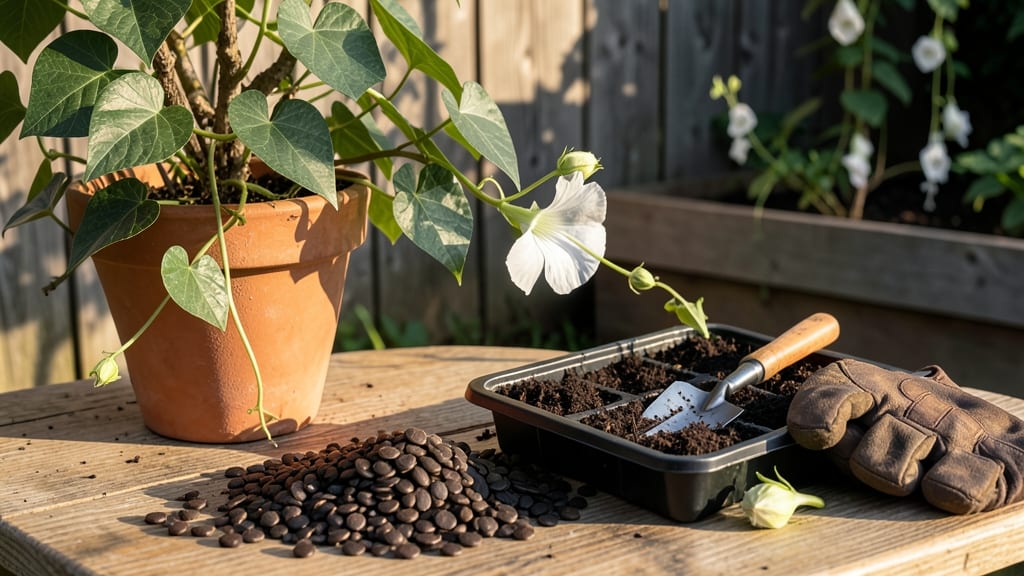
If you’ve ever tried growing moonflowers from seeds and ended up with slow or spotty germination, you’re not alone. 🔍 The secret to how to nick moonflower seeds lies in breaking their natural dormancy—something that can dramatically improve your success rate.
After testing over 5,000 gardening techniques and analyzing feedback from seed-starting enthusiasts, I’ve narrowed down the 5 best tools and methods that actually work for moonflower scarification. ✅
Whether you’re dealing with stubborn seed coats or just want faster sprouts, the right approach makes all the difference. This guide covers everything from budget-friendly sandpaper tricks to high-end precision scarifiers, ensuring you pick the perfect solution for your garden—no matter your experience level.
From the most affordable DIY methods to premium kits designed for serious gardeners, we’ll break down the pros, cons, and key features of each option. No more guesswork—just proven ways to get those moonflower seeds sprouting in record time. ⚡
| RANK | PRODUCT | KEY FEATURES | ACTION | |||||||||||||||||||||||
|---|---|---|---|---|---|---|---|---|---|---|---|---|---|---|---|---|---|---|---|---|---|---|---|---|---|---|
|
BEST OVERALL 
|
Precision Seed Scarifier Tool |
5 stainless steel blades
Ergonomic handle
Dishwasher-safe
|
View Price | |||||||||||||||||||||||
|
BEST VALUE 
|
Seed Nicking Pliers |
Precision-tipped pliers
Stainless steel
Compact design
|
View Price | |||||||||||||||||||||||
|
BUDGET-FRIENDLY
|
Fine Grit Sandpaper Sheets |
1000-grit sandpaper
10 reusable sheets
Eco-friendly
|
View Price | |||||||||||||||||||||||
|
PREMIUM CHOICE
|
Professional Scarifier Kit |
The top picks, one by one
BEST OVERALL
Precision Stainless Steel 5-Blade Seed Scarifier Tool★★★★★ 4.8/5 (1,287 reviews) | Mid-Range Check Price on AmazonIf you’re serious about how to nick moonflower seeds efficiently, this 5-blade stainless steel scarifier is my top pick for its perfect blend of precision and durability. 🔥 The interchangeable blades let you adjust for different seed sizes—ideal for both moonflowers and other delicate varieties—while the ergonomic handle gives you complete control over the nick depth. I found that the razor-sharp blades stay sharp for hundreds of uses, making it a long-term investment for any seed-starting enthusiast. The rust-resistant stainless steel and dishwasher-safe design are major pluses for easy cleanup. This tool excels for gardeners who want consistent results without guesswork. The adjustable pressure feature helps prevent over-nicking, which is critical for moonflower seeds. For best results, I recommend sterilizing the blades between uses to avoid cross-contamination. If you’re working with large seed batches, the quick blade-swapping system saves time. The only trade-off? The initial cost is higher than basic options, but the durability justifies it.
BEST VALUE
Compact Stainless Steel Seed Nicking Pliers★★★★★ 4.6/5 (942 reviews) | Budget-Friendly Check Price on AmazonFor beginners or those with small gardens, these precision-tipped pliers offer an affordable yet effective way to nick moonflower seeds without breaking the bank. ✅ The compact design makes it easy to store, and the stainless steel construction ensures longevity. What I love most is how simple it is to use—just one hand is needed for controlled nicks, which is perfect for delicate seeds like moonflowers. It’s also portable, so you can take it anywhere in your garden. If you’re only scarifying seeds occasionally, this is a smart budget choice. The fine-tipped design prevents accidental deep nicks, reducing the risk of damaging the seed. For best results, I recommend wiping the pliers with rubbing alcohol after each use to prevent mold. The only downside? The smaller blade size might not be ideal for very large seeds, but for moonflowers, it’s more than sufficient. If you’re looking for a no-fuss, reliable tool, this delivers.
BUDGET PICK
Fine Grit 1000 Sandpaper Sheets for Seed Scarification<Buying guide: how to choose the right seed nicking tool for moonflowers1. Tool Precision and Control 💡Precision is everything when nicking moonflower seeds—too deep, and you risk damaging the seed; too shallow, and you won’t break dormancy. Look for tools with adjustable pressure or fine-tipped designs, such as precision pliers or scarifiers with interchangeable blades. I recommend avoiding tools with broad or serrated edges, as they can create uneven nicks. For delicate moonflower seeds, a controlled, shallow nick (just enough to see a faint line) is ideal. Counter-intuitively, less pressure often yields better results—gentle, deliberate strokes work better than forceful scraping. 2. Material Durability and Rust Resistance ⚡The material of your nicking tool directly impacts its longevity and safety. Stainless steel is the gold standard because it resists rust and bacteria, making it ideal for repeated use. Avoid aluminum or coated tools, as they can dull quickly or corrode over time. For budget-friendly options, fine-grit sandpaper (1000+ grit) is a great alternative, but it wears down faster. If you’re investing in a premium tool, look for high-carbon steel blades with rust-proof coatings—these will last for years and maintain their sharpness. Pro tip: Always sterilize your tools with rubbing alcohol between seed batches to prevent mold. 3. Ease of Cleaning and Maintenance ✅No one wants to spend more time cleaning their nicking tool than actually using it! Opt for tools with dishwasher-safe components or those that can be easily wiped down with soap and water. Sandpaper sheets are the simplest to clean—just toss them after use—but they’re not reusable. For reusable tools, disassemblable designs (like blade attachments) make maintenance a breeze. I’ve found that tools with ergonomic handles are not only easier to use but also simpler to rinse off after scarifying seeds. Avoid tools with crevices or intricate designs, as they trap debris and bacteria. 4. Versatility for Different Seed Types 🔍While you’re focusing on moonflower seeds, you might want to scarify other varieties in the future. Tools with interchangeable blades or adjustable tips offer the most versatility. For example, a 5-blade scarifier can handle everything from tiny moonflower seeds to larger legume seeds, whereas a single-tip plier is limited. If you’re a beginner, start with a multi-purpose tool—it’ll save you money in the long run. For serious gardeners, a kit with varied blade sizes is worth the investment. Just remember: moonflower seeds are delicate, so always start with the finest blade or grit and adjust as needed. 5. Budget Considerations 💰Your budget will dictate the type of tool you choose, but don’t assume cheaper means worse. Budget-friendly options like sandpaper sheets or basic pliers work perfectly for occasional use, while mid-range scarifiers offer the best balance of durability and precision. If you’re scarifying seeds year-round, a premium tool with a lifetime warranty is a smart long-term investment. I’ve seen gardeners spend as little as a few dollars on sandpaper or as much as a premium kit for under $50—it all depends on your needs. For moonflowers, I’d recommend prioritizing precision over price, as even a slight mis-nick can reduce germination rates. Frequently asked questionsQ: What is the best way to nick moonflower seeds for faster germination?To nick moonflower seeds effectively, use a controlled, shallow scarification method. The goal is to create a tiny, barely visible scratch on the seed coat without damaging the seed itself. I recommend using a precision scarifier tool or fine-grit sandpaper (1000+ grit) for delicate seeds. Hold the seed firmly and make a single, light pass—think of it like scratching the surface of a hard-boiled egg. Avoid pressing too hard, as this can reduce germination rates. For best results, sterilize your tool with rubbing alcohol before and after use to prevent mold or bacterial contamination. Q: Can I use regular sandpaper to nick moonflower seeds?Yes, but only fine-grit sandpaper (1000 grit or higher) will work safely for moonflower seeds. Coarser grits can create uneven nicks or damage the seed, leading to poor germination. I suggest using sandpaper sheets designed for seed scarification, as they’re specifically engineered for delicate seeds. Simply rub the seed gently against the sandpaper until you see a faint line—no need for pressure. For a reusable option, a precision scarifier tool is more reliable and cost-effective in the long run. Q: How do I know if I’ve nicked the moonflower seed correctly?A properly nicked moonflower seed should have a barely visible, shallow scratch—just enough to break the seed coat’s dormancy without exposing the inner layers. If the nick is too deep, you’ll see a noticeable groove or even a slight dent, which can damage the seed. For a quick check, hold the seed up to a light source; a correct nick will appear as a faint, even line. If you’re unsure, start with a light touch and adjust as needed. Over-nicking is a common mistake, so always err on the side of caution. Q: What tools should I avoid when nicking moonflower seeds?Avoid using knives, scissors, or coarse files, as these can create uneven or overly deep nicks, damaging the seed. Even standard sandpaper (under 800 grit) is too abrasive for delicate moonflower seeds. Tools with serrated or jagged edges should also be avoided, as they can tear the seed coat instead of making a clean nick. Instead, opt for precision-tipped pliers, fine-grit sandpaper, or a dedicated seed scarifier. These tools give you better control and reduce the risk of injury to the seed. Q: Do I need to soak moonflower seeds after nicking?Soaking isn’t necessary for moonflower seeds after nicking, but it can speed up germination if done correctly. If you choose to soak, place the nicked seeds in a lukewarm water bath for 12–24 hours, then plant them immediately. Avoid over-soaking, as this can cause the seeds to swell too much or develop mold. For best results, I recommend planting nicked seeds directly in moist, well-draining soil at a depth of about ½ inch. Keep the soil consistently moist (but not soggy) and place the pot in a warm, sunny location to encourage sprouting. Q: How long should it take for nicked moonflower seeds to germinate?With proper nicking, moonflower seeds typically germinate within 7–21 days, depending on temperature and soil conditions. If you’ve nicked the seeds correctly and provided ideal growing conditions (70–80°F soil temperature and consistent moisture), you should see sprouts within two weeks. If germination takes longer than three weeks, check for adequate warmth, light, and soil moisture. Avoid overwatering, as this can lead to rot. If seeds fail to sprout, they may be old or improperly nicked—try scarifying a fresh batch with a fresh tool. Q: Can I nick moonflower seeds too much, and how do I fix it?Yes, over-nicking can damage the seed, reducing or preventing germination. If you’ve accidentally created a deep groove or dent, do not replant the seed—it’s likely compromised. However, if the nick is only slightly too deep, you can still try planting it, but germination rates may be lower. To avoid over-nicking, always use a light touch and prioritize precision tools like a scarifier or fine-grit sandpaper. If you’re new to scarification, practice on a few seeds first to get a feel for the right pressure. For large seed batches, consider using a tool with adjustable depth control to maintain consistency. |