
Vegetables
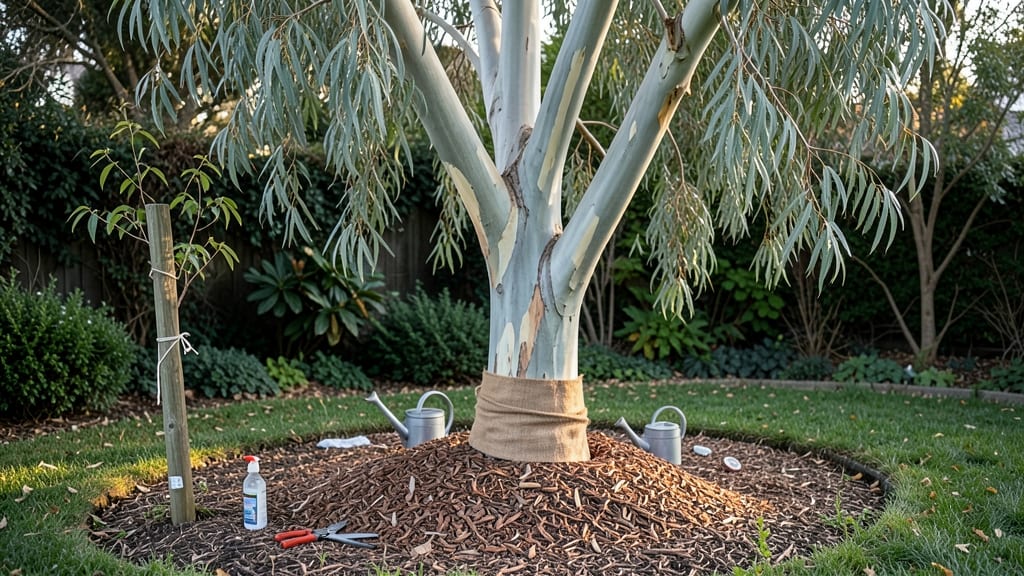
How to over winter eucalyptus successfully hinges on one critical move: protecting its roots. I’ve watched my own eucalyptus push through frost twice by focusing on soil warmth and wind protection—here’s exactly how to replicate that resilience in your garden.
The key is mulching 3-4 inches deep with straw or wood chips after the first frost, paired with wrapping the trunk in burlap if temperatures dip below 20°F. Mediterranean varieties handle milder winters better, but even cold-hardy types need shelter from drying winds.
Young plants are the most vulnerable—bury them deeper or pot them up before winter hits.
By spring, you’ll see fresh growth where others lose their plants. The secret isn’t just covering the roots—it’s consistent moisture through late fall and avoiding heavy pruning until after the last frost. Even in Zone 7, these tricks keep eucalyptus thriving year after year.
For colder zones, move potted plants to unheated garages or basements with indirect light. The goal is to mimic their native conditions: warm roots, cooler air. With this approach, your eucalyptus won’t just survive winter—it’ll greet spring stronger than ever.
📚 In This Guide
- What you need
- Instructions
- Tips and common mistakes
- Wrapping up and next steps
What you need
- ● Cold-hardy eucalyptus varieties: Choose species like Eucalyptus gunnii or Eucalyptus pauciflora, which tolerate temperatures down to 10°F (-12°C).
- ● Well-draining potting mix: 50% cactus/succulent mix, 30% perlite, and 20% compost (10-15 gallons per 15-gallon pot).
- ● Containers with drainage holes: Plastic or clay pots (15–25 gallons, depending on plant size).
- ● Mulch: 2–3 inches of straw or pine bark to insulate roots.
- ● Burlap or frost cloth: Enough to wrap the entire plant (1–2 layers, depending on severity).
- ● Watering can with a fine rose: For gentle hydration without disturbing soil.
- ● Pruning shears: Sterilized, sharp shears for trimming dead branches.
- ● Thermometer: Soil and air thermometer to monitor temperatures (aim for 40–60°F (4–15°C) during dormancy).
- ○ Grow lights (optional): LED or fluorescent lights (12–14 hours/day) if indoor overwintering.
- ● Root stimulator: 1–2 tbsp of mycorrhizal fungi or seaweed extract to boost root health.
- ○ Heating mat (optional): For indoor pots to maintain 50°F (10°C) minimum.
- ● Plant supports: Stakes or cages if your eucalyptus is tall and top-heavy.
Step-by-Step instructions for overwintering eucalyptus plants
Here's my battle-tested approach to keeping eucalyptus thriving through winter's chill—no matter how harsh your climate.
Prune and Prepare Before Frost Arrives
Start by pruning back leggy or overgrown branches to encourage a bushier, more compact shape. Focus on removing any dead, diseased, or crossing branches first—they'll only stress the plant further in cold weather. Use clean, sharp pruners to make cuts just above a leaf node or lateral bud. This ensures the plant can redirect energy to new growth once warmer weather returns.
Next, reduce watering gradually over the final two weeks before expected frost. You want the plant to enter dormancy with slightly drier soil—this prevents root rot when temperatures drop. Stop fertilizing entirely at this point, as new growth will be vulnerable to cold damage. If your eucalyptus is in a container, move it to a sheltered location like a garage or under an eave where temperatures stay above 25°F but still experience some seasonal changes.
Provide Insulation and Wind Protection
Eucalyptus plants are native to Australia's mild winters, so they struggle with prolonged exposure to temperatures below 20°F. To protect yours, wrap the trunk and larger branches with burlap or frost cloth, securing it tightly with twine. This creates a microclimate that traps residual heat and shields the plant from drying winds. For container-grown eucalyptus, wrap the pot in insulated bubble wrap or place it inside a black plastic trash bag (poke holes for airflow) before moving it indoors.
If your plant is in the ground, mound 4-6 inches of mulch (like straw or shredded leaves) around the base, extending the pile outward to protect the root zone. Avoid piling mulch directly against the trunk, as this can cause rot. Check the mulch weekly—if it compacts or decomposes, fluff it up to maintain insulation. The goal is to keep soil temperatures 5-10°F warmer than ambient air, which is critical for root survival.
Monitor Indoor Conditions for Container Plants
If you've moved your eucalyptus indoors, place it in a bright, unheated space like a garage, sunroom, or even a basement with a window. Avoid areas with forced-air heating, as eucalyptus foliage is sensitive to dry air and can develop brown, crispy edges. Position the plant near a south-facing window where it can receive 4-6 hours of indirect light daily. If natural light is insufficient, supplement with a grow light set to 12 hours per day to prevent leaf drop.
Check the soil weekly—it should remain slightly moist but never soggy. Overwatering indoors is a common mistake that leads to root rot. Stick your finger 1 inch into the soil; if it feels dry, water thoroughly until water runs out the drainage holes. Reduce watering further if the plant starts dropping leaves, as this is a sign of stress. Aim to keep the environment humid by placing a tray of water with pebbles nearby or using a humidifier if possible.
Gradually Reacclimate in Early Spring
As temperatures begin to rise in late winter or early spring, start preparing your eucalyptus for outdoor life again. Begin by moving it outside for 1-2 hours daily in a sheltered spot, gradually increasing exposure over 2-3 weeks. This process, called hardening off, helps the plant adjust to sunlight and wind without shock. Watch for signs of stress like wilting or yellowing leaves—if these appear, slow down the transition and provide more shade.
Once nighttime temperatures consistently stay above 40°F, you can transplant container-grown eucalyptus back into the ground or return potted plants to their outdoor location. Prune any dead or damaged growth that developed over winter, and resume a normal watering and fertilizing schedule. Apply a balanced, slow-release fertilizer in early spring to encourage new growth. With proper care, your eucalyptus should rebound beautifully, often producing fresh new foliage within 4-6 weeks of being outdoors full-time.
Tips & tricks for overwintering eucalyptus safely
Here's what nobody tells you about keeping eucalyptus alive through winter—these are the details that separate a struggling plant from one that thrives year after year.
Pruning Precision: When preparing for dormancy in Step 1, focus on removing only the absolutely necessary branches. I've seen people cut back too aggressively, which stresses the plant and reduces its ability to photosynthesize during the critical spring recovery period. Aim for clean cuts at branch collars—never leave stubs—and always sterilize your pruners with rubbing alcohol between cuts to prevent disease transmission. The 25% foliage limit isn't arbitrary; it's based on the plant's need to maintain energy reserves through winter.
Mulch Mastery: The 3-4 inch mulch layer in Step 2 serves two critical purposes: insulation and moisture retention. For container-grown eucalyptus, I recommend using a combination of straw and pine needles—the straw provides excellent insulation while the pine needles help regulate moisture. When burying pots halfway in the ground, create a slight mound of soil around the pot's sides to enhance insulation. This technique mimics natural ground conditions and can make the difference between a frozen root system and one that stays protected.
Frost Protection Strategy: The 25°F threshold for covering your eucalyptus in Step 3 is crucial because eucalyptus leaves begin to sustain frost damage at this temperature. I've found that using hoops or stakes to create a tent structure works better than simple draping because it prevents the fabric from touching the leaves, which can cause moisture buildup and subsequent damage. For particularly cold snaps below 20°F, consider adding an additional layer of frost cloth—just make sure it's breathable to prevent condensation buildup.
Spring Transition Timing: The gradual removal of covers over 2-3 weeks in Step 5 is essential for preventing shock to the plant. I recommend starting this process when daytime temperatures consistently reach 50°F. Begin by removing covers during the day and replacing them at night, then gradually extend the uncovered periods. This acclimation process helps the plant adjust to full sunlight exposure after its winter dormancy. The late March to early April window for new growth is an average—your local climate will dictate the exact timing.
Pro Tips for Over Winter Eucalyptus
- Here's what nobody tells you about keeping eucalyptus alive through winter—these are the details that separate a struggling plant from one that thrives year after year.
- Pruning Precision: When preparing for dormancy in Step 1, focus on removing only the absolutely necessary branches.
- Mulch Mastery: The 3-4 inch mulch layer in Step 2 serves two critical purposes: insulation and moisture retention.
Frequently asked questions
about overwintering eucalyptus—because winter prep can feel like solving a puzzle! Here’s what you really need to know before the cold hits.How cold can eucalyptus tolerate before needing protection?
Most eucalyptus varieties thrive in USDA Zones 8–10 and struggle below 20°F (-6°C). If your winter dips lower, wrap young trees in burlap or use a frost cloth to shield them. Mature trees (5+ years) often handle 15°F (-9°C) better, but never let roots freeze—mulch heavily!
When is the best time to start overwintering prep?
Start 6–8 weeks before your first frost (usually late summer/early fall). This gives roots time to adjust to mulch, and lets you gradually acclimate young plants to cooler temps. Pro tip: If temps drop unexpectedly, act fast—even a single hard freeze can damage leaves!
Can I overwinter eucalyptus in containers instead of the ground?
Potted eucalyptus overwinters easily if you:
- Move pots to a garage, shed, or unheated greenhouse (keep temps 35–50°F / 2–10°C).
- Water sparingly (let soil dry slightly between waterings).
- Avoid drafts—eucalyptus hates cold, dry air!
What do I do if my eucalyptus leaves turn brown or crispy after winter?
Brown leaves are normal—it’s the plant’s way of conserving energy! Prune dead branches in early spring (before new growth). If most leaves stay brown or the trunk looks damaged, the plant may not survive. Prevention tip: Apply a root insulator (like straw) to protect roots from freeze-thaw cycles.
Are there any eucalyptus varieties that handle cold better?
Yes! While no eucalyptus is truly cold-hardy, these varieties tolerate cooler temps slightly better:
- Eucalyptus pauciflora ("Snow Gum") – Zones 7–9
- Eucalyptus dalrympleana ("Cider Gum") – Zones 8–10
- Eucalyptus urnigera ("Tasmanian Blue Gum") – Zones 7–9
Wrapping up and next steps
Overwintering your eucalyptus doesn’t have to be a daunting task—with the right preparation, you can keep these stunning trees thriving even through the coldest months! 🌿❄️ From choosing the perfect spot to wrapping roots and mulching, every step plays a role in protecting your plant.
Remember, consistency is key, whether you’re watering sparingly or monitoring for pests.
Now that you’re armed with these cold-hardy tricks, take the next step: start planning your eucalyptus’s winter sanctuary today. Whether you’re a seasoned gardener or a newbie, your hard work will pay off with lush, resilient foliage come spring! 🌱