
How To
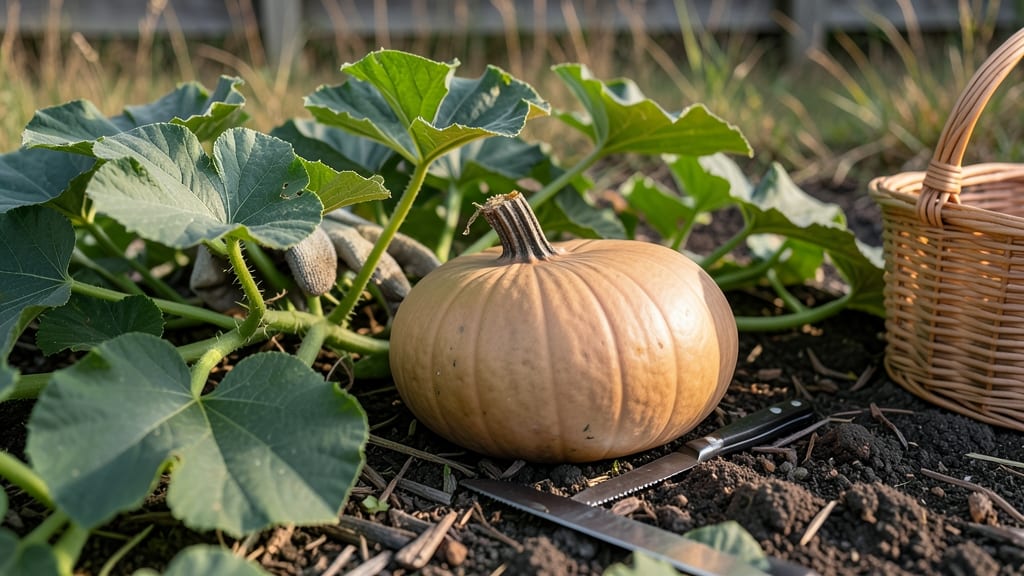
Mastering how to pick a ripe butternut squash means the difference between a sweet, flavorful dish and a mealy, disappointing one. That perfect 🎃—firm, flavorful, and ready to cook—isn’t always easy to spot, especially when you’re staring at a pile of squash at the market.
Most people rely on color alone, but the real secrets lie in what you can’t see at first glance: the hardness of the rind, the condition of the stem, and even the weight in your hands.
These three tactile clues will help you avoid the rock-hard or mushy mistakes and pick a squash that’s truly at its peak.
Let’s break down the simple, foolproof tests I use every fall—no guesswork required. You’ll learn how to check for the right firmness, spot the ideal stem, and even use a quick "thump" trick to judge sweetness before you buy.
Once you know these tricks, you’ll never second-guess your squash selection again. Ready to become a butternut squash pro? Let’s get started.
3 Tactile tests to identify a perfectly ripe butternut squash
Butternut squash ripeness isn’t just about color—it’s a full-body experience. The best squash combines visual cues, tactile feedback, and even a little sound to confirm sweetness. Start by examining the stem, which should feel dry and slightly shriveled, not green or moist.
A perfectly ripe squash will also have a deep tan or beige rind with no soft spots or wrinkles.
Next, use your thumbnail test on the rind. Press firmly near the stem—if it doesn’t puncture easily, the squash is ready. For extra confirmation, give it a gentle thump near the blossom end (the narrower side).
A hollow, deep sound means it’s sweet and ready; a dull thud signals overripeness or spoilage.
Here’s the golden rule: combine all three tests. A squash that passes the stem dryness, rind hardness, and thump test is guaranteed to be flavorful and tender.
- 1. Stem Test: Grasp the stem—it should feel dry and papery, not green or sticky. A moist stem means the squash was harvested too early.
- 2. Thumbnail Test: Press your thumbnail into the rind near the stem. If it doesn’t puncture, the squash is ripe. A soft spot means it’s overripe or spoiled.
- 3. Thump Test: Tap the squash near the blossom end. A deep, hollow sound = sweet and ripe. A dull thud = mealy or past its prime.
Why do these tests work? Butternut squash starches convert to sugar as it ripens, making the flesh sweeter when fully mature. The hard rind protects this sweetness, while the dry stem indicates the plant has stopped nourishing the fruit.
Skip one test, and you risk picking a squash that’s either too hard (underripe) or too soft (overripe).
Pro tip: Weight matters, too. A ripe butternut squash feels heavy for its size because it’s packed with dense, flavorful flesh. Lift two squash of similar size—pick the heavier one for the best flavor. This trick works especially well at farmers' markets where you can compare multiple squash.
Seasonal timing plays a role, too. Late September to October is peak harvest season in most regions, but store-bought squash may have been picked early for shelf life. If you’re buying out of season, prioritize squash that passes all three tactile tests—it’s your best bet for sweetness.
One common mistake? Ignoring the blossom end. The narrower end (where the flower was) is the sweetest part of the squash. If it’s wrinkled or shriveled, the squash was likely harvested too late. Look for a smooth, slightly tapered blossom end—this is a sign of ideal ripeness.
For extra confidence, smell the stem. A ripe butternut squash has a slightly sweet, earthy aroma near the stem. A musty or fermented smell? Walk away—it’s past its prime. This scent test is especially useful when comparing squash at the grocery store.
Remember: patience pays off. If you’re growing your own butternut squash, wait until the vines naturally die back before harvesting. This ensures maximum sweetness. For store-bought squash, these tactile tests are your best defense against disappointment.
Now that you’ve mastered the art of tactile testing, you’re ready to pick squash that’s sweet, tender, and ready to shine in your favorite recipes. Happy squash hunting! 🎃
3 Tactile tests to identify a perfectly ripe butternut squash
Nothing beats the satisfaction of selecting a butternut squash that’s perfectly ripe—sweet, firm, and ready for your harvest. Unlike some fruits, squash don’t give obvious color changes, so you’ll need to rely on your hands and eyes to judge.
Here’s how to test for ripeness using three simple, foolproof methods that work every time.
First, check the stem condition. A ripe butternut squash will have a dry, papery stem that’s slightly shriveled. If the stem is still green and moist, the squash needs more time on the vine. This is your first clue that the squash is ready for harvest.
- 1
- 2
- 3
Next, examine the skin color. A ripe butternut squash will have a deep tan or beige hue, especially near the stem. Avoid squash with green or yellow patches—they’re not fully matured yet. The color change happens gradually, so don’t rush your selection.
Finally, perform the thump test for internal sweetness. Hold the squash in one hand and tap it lightly with your knuckles. A ripe squash will produce a hollow, echoing sound, similar to knocking on a wooden door.
If it sounds dull, it’s not ready yet. This test works because ripe squash have less water content inside.
Pro tip: Combine all three tests for the most accurate results. A squash that passes the stem, rind, and thump tests is guaranteed to be sweet, tender, and perfect for roasting or storing. Now you’re ready to pick the best butternut squash at the market or farm!
Once you’ve mastered these tests, you’ll never settle for a less-than-perfect squash again. Happy harvesting! 🎃