
How To
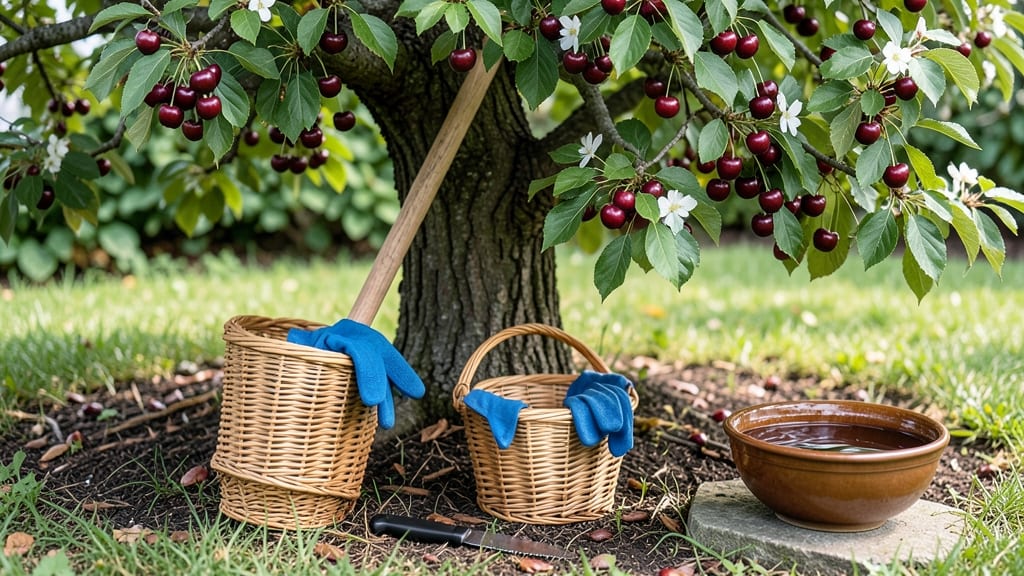
There’s nothing quite like biting into a perfectly ripe cherry—sweet, juicy, and bursting with flavor—but knowing how to pick cherries from a tree can make all the difference between a disappointing harvest and a bounty of summer’s finest fruit.
If you’ve ever stood under your Sweet Cherry 🍒 tree, staring at clusters of fruit and wondering, "Are they ready yet?"—you’re not alone. The key to harvesting at peak sweetness lies in timing, technique, and a few simple tricks most gardeners miss.
Whether you’re in Zone 5-9 or just starting with your first tree, mastering these steps will transform your cherry-picking game.
In this guide, I’ll walk you through the exact moment to harvest (hint: it’s not just about color!), the best tools to use, and how to handle those delicate stems without turning your prize cherries into a mushy mess.
You’ll also learn what to do with your tree after the harvest to keep it thriving for years to come.
Ready to turn your cherry tree into a flavor factory? Let’s get started—your taste buds (and your neighbors) will thank you.

The best time of year to harvest cherries for maximum sweetness
Timing is everything when it comes to picking cherries. Harvest too early, and you’ll end up with tart, underripe fruit. Wait too long, and they’ll turn mealy or attract pests like birds and wasps.
The key is to pick cherries at their peak ripeness, when they’re sweetest and juiciest. Most sweet cherry varieties ripen between late May and early July, but this can vary by USDA zone and variety.
For example, Bing cherries typically ripen in late June to early July, while Rainier cherries (the yellow-red variety) peak in mid-July. Sour cherries, like Montmorency, usually ripen a bit earlier, around June.
Pay attention to your local frost dates—cherries are sensitive to cold snaps, so aim to harvest before the first frost threatens.
Temperature also plays a role. Cherries ripen best in warm, dry weather between 70°F and 85°F (21°C–29°C). If a heatwave hits, cherries may ripen faster and lose flavor.
Conversely, cool, cloudy days slow ripening, which can help if you’re waiting for a full harvest. Always check the weather forecast before planning your picking day.
🌱
| Ripeness Indicator | What to Look For | Best Time to Pick |
|---|---|---|
| Color | Deep, variety-specific hue (dark red, black, or yellow-red). Avoid pale or patchy colors. | When 90% of fruit on the tree reaches full color. |
| Firmness | Skin yields slightly when gently pressed (like a ripe peach). Overripe cherries feel mushy. | Morning hours to avoid heat-induced softening. |
| Stem Test | Stem snaps cleanly when twisted (no resistance). Unripe stems bend but don’t break. | Early morning for firmest stems. |
| Taste Test | Sweet with minimal tartness. Overripe cherries taste mealy or fermented. | Pick a sample cluster first to test flavor. |
| Bird Activity | Birds pecking at cherries signals ripe fruit. Use netting if birds are a problem. | Harvest daily or every other day to stay ahead of birds. |
Regional differences also matter. In warmer climates (Zones 8-9), cherries may ripen as early as April or May, while in cooler zones (Zones 5-6), they might not be ready until July. Keep a harvest journal for your specific tree to track ripening patterns year after year.
One pro tip: Pick cherries in the morning when temperatures are cooler. This helps preserve their firmness and flavor. Avoid harvesting after rain, as wet cherries bruise easily and are more prone to rot or cracking.
If you must pick after rain, wait until the fruit is completely dry.
Producers often recommend harvesting cherries in two passes. Start with the lowest, most accessible fruit, then return a few days later for the higher branches. This ensures you don’t miss any ripe cherries while keeping the tree stable and safe to climb.
Finally, don’t forget that cherry varieties ripen at different times, even on the same tree. Some branches may produce fruit that’s ready to pick weeks before others. This is why daily checks are essential during peak harvest season.
☀️
Step-by-step cherry picking techniques to avoid bruising or damage
Harvesting cherries is an art—one wrong move can turn your juicy bounty into a bruised mess. The key is patience and the right tools.
Start by gathering a few essentials: a wide-mouth bucket, a ladder (if needed), and—most importantly—your hands or a cherry-picking tool to avoid crushing the delicate fruit.
Before you climb, check the weather forecast. Picking on a cool, overcast day prevents cherries from splitting or fermenting in the sun. If you must pick on a hot day, work in the shade and harvest early in the morning when fruits are firmest.
🌱 Step-by-Step Cherry Picking Guide
Stand at the base and give the tree a light shake to loosen ripe cherries. Catch them in a spreadsheet or bucket lined with a towel to prevent bruising.
Use your thumb and forefinger to pinch the stem just above the fruit. Twist gently to avoid tearing the cherry’s skin.
A cherry-picking tool (like a long-handled scoop) lets you harvest without climbing. Slide it under clusters and lift—no crushing!
Pick from the bottom of the tree first, then move upward. This prevents overripe cherries from falling and spoiling.
Place cherries in a single layer in the bucket—never stack. Store in the fridge within 2 hours to keep them crisp.
Pro tip: If you’re dealing with a heavy harvest, wear gloves to protect your hands from the cherry’s fuzzy stems. And always leave a few cherries on the tree for birds and wildlife—they’ll thank you next season!
After picking, rinse cherries gently only if needed—excess water shortens their shelf life. For long-term storage, freeze them whole or pit them for pies and jams later. Just remember: patience and care today mean sweeter rewards tomorrow. 🍒