
Picking
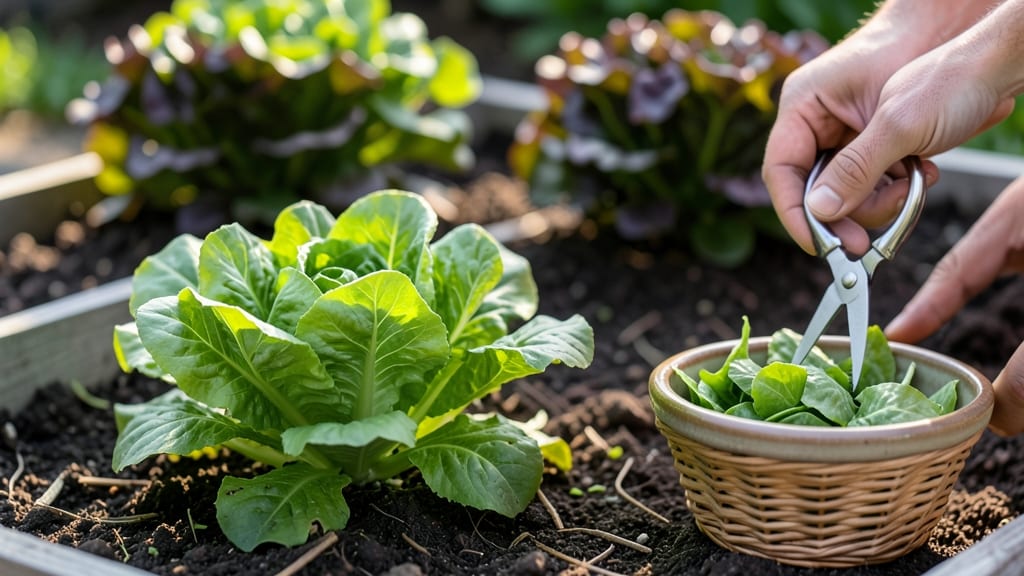
Learning how to pick lettuce so it keeps growing feels like magic. ✨ The "cut-and-come-again" method lets you enjoy fresh greens for weeks—if you do it right.
Most people overcut, leaving bare stems that never recover. I learned this the hard way after turning my crisp romaine into sad, leggy stalks.
Here's the trick: always snip outer leaves, leaving the inner rosette intact. Use clean scissors or fingers to pinch leaves at the base, never closer than 1/4 inch from the center.
The plant needs that core to regrow. You'll get 3-5 harvests from one planting this way, with baby leaves ready in just 2-3 weeks after cutting.
After harvesting, water deeply to help roots recover. Mulch with straw to keep soil moist and shaded. The first regrowth might look scraggly, but with consistent care, you'll get fuller heads than your original harvest. This works for all leaf lettuces—romaine, butterhead, and loose-leaf types all respond beautifully.
Fair warning: avoid harvesting in extreme heat or drought. The plant needs energy to recover, so give it shade and water after cutting. I've kept my lettuce producing through three full harvest cycles using this method—no replanting needed. Your garden will thank you for the gentle touch.
📚 In This Guide
- What you need
- Instructions
- Tips and common mistakes
- Wrapping up and next steps
What you need
- ● Sharp garden shears or pruning scissors – Look for clean, stainless steel blades (4-6" length) to make precise cuts without crushing stems.
- ○ Gloves (optional but recommended) – Lightweight gardening gloves to protect your hands from dirt and prickly stems.
- ● Watering can or hose with a gentle spray nozzle – For post-harvest hydration (1-2 gallons of water).
- ● Organic fertilizer (balanced, 10-10-10 or similar) – A small bag (5-10 lbs) to replenish nutrients after harvesting.
- ● Plastic or metal harvesting tray – A shallow tray (12"x18" or larger) to collect leaves and keep them organized.
- ● Kitchen scissors or clean knife – For trimming leaves indoors if you’re prepping for salads.
- ● Mulch (straw or shredded leaves) – A 2-3 inch layer to retain moisture and protect roots.
- ● pH testing kit – To check soil pH (ideal: 6.0-7.0) if your lettuce looks stressed.
- ● Compost bin or bucket – For disposing of yellowed or damaged leaves.
Step-by-Step instructions for harvesting lettuce without stunting growth
Here's how I keep my lettuce thriving by harvesting just what I need—no bolted, bitter leaves in sight.
🌱 Step 1: Wait for the Right Size
Harvest lettuce when the outer leaves reach about 4-6 inches tall—that's when they're tender and packed with flavor. You'll see the leaves fully unfurled but still holding their crisp texture. Waiting too long makes them tough, and harvesting too early stresses the plant.
I like to check my lettuce every 2-3 days in the morning when the leaves are fully hydrated. Run your fingers along the edges—if they feel firm but not leathery, they're ready. The center leaves should still be tightly curled; these are the plant's energy reserves and shouldn't be touched yet.
✂️ Step 2: Use the Right Tools and Technique
Grab a pair of sharp scissors or a clean knife—never your fingers. You'll cut the outer leaves about ½ inch above where they meet the base. This prevents the plant from tearing and keeps the stem intact. I angle my blade slightly downward to avoid nicking the growing center.
Harvest only the outer ⅓ of the plant at a time. The inner leaves will continue growing from the base, and you'll get multiple harvests from one planting. If you take too much, the plant will bolt (send up a flower stalk) and become bitter within days.
💧 Step 3: Water and Fertilize After Harvesting
After harvesting, give your lettuce a deep drink of water right at the base. The roots need moisture to recover and keep producing new leaves. I use a watering can with a gentle spray nozzle to avoid disturbing the soil around the roots.
Add a balanced liquid fertilizer (like 10-10-10) diluted to half strength every 7-10 days after harvesting. This gives the plant the nutrients it needs to bounce back quickly. Lettuce is a heavy feeder, so don't skip this step—it's what keeps your plants lush and productive.
☀️ Step 4: Monitor Light and Space for Continued Growth
Lettuce needs 4-6 hours of sunlight daily but can handle partial shade, especially in hot climates. If your plants start looking leggy or pale, they're not getting enough light. Move them to a sunnier spot or provide some shade cloth if temperatures rise above 85°F.
Thin crowded plants to give them 6-8 inches of space between each head. You'll see new leaves emerging from the center within 3-5 days if everything is right. If growth stalls, check the soil—it might be drying out too quickly or lacking nutrients.
🌿 Step 5: Repeat the Process for Continuous Harvests
Keep harvesting the outer leaves every 1-2 weeks as they reach 4-6 inches. You'll get 4-6 harvests from one planting before the plant starts to bolt. The key is consistency—never take more than ⅓ of the plant at once, and always leave the inner leaves to keep growing.
When the center finally sends up a flower stalk, it's time to pull the whole plant and compost it. But with the right harvesting technique, you'll enjoy fresh lettuce for weeks without the plant ever feeling stressed. It's a simple system that works every time.
Tips & tricks for perfect lettuce harvesting
Here's what nobody tells you about keeping your lettuce thriving after each harvest.
Timing is Everything: The 2-3 day check schedule in Step 1 is your best friend—it ensures you're always harvesting at peak tenderness. I've learned the hard way that waiting longer than 3 days can turn crisp leaves into tough, bitter ones. Check in the morning when leaves are fully hydrated; that's when they'll feel their firmest and most flavorful.
The Cutting Technique That Matters: That ½-inch cut above the base in Step 2 isn't just arbitrary—it's about preserving the plant's energy. Cutting too close damages the stem and can introduce rot. I always make a slight downward angle with my knife to avoid nicking the growing center. Think of it like giving your lettuce a clean, precise haircut rather than a messy buzz cut.
Post-Harvest Recovery: After harvesting, that deep drink of water isn't just about quenching thirst—it's about signaling to the roots that it's time to produce new growth. I've found that adding a splash of diluted fish emulsion (optional) to the water gives an extra nutrient boost. The roots drink it up and respond with fresh leaves within days.
Light and Space Secrets: The 4-6 hours of sunlight mentioned in Step 4 is non-negotiable for crisp lettuce, but here's the secret: if your plants start looking pale, they're not getting enough light. Move them to a sunnier spot immediately—lettuce can handle partial shade, but it won't thrive. And that 6-8 inch spacing? It's not just about room to grow—it's about airflow that prevents fungal issues.
Pro Tips for Pick Lettuce So It Keeps Growing
- Here's what nobody tells you about keeping your lettuce thriving after each harvest.
- Timing is Everything: The 2-3 day check schedule in Step 1 is your best friend—it ensures you're always harvesting at peak tenderness.
- The Cutting Technique That Matters: That ½-inch cut above the base in Step 2 isn't just arbitrary—it's about preserving the plant's energy.
Frequently asked questions
Got questions about harvesting lettuce without stunting growth? Here are answers to the most common concerns—so you can keep your garden thriving!
How do I know when lettuce is ready to harvest?
Lettuce is ready when the outer leaves reach 4–6 inches long and the inner leaves are at least 3–4 inches. For loose-leaf varieties, you can start picking as soon as the first leaves are big enough to eat. For head lettuce (like romaine or iceberg), wait until the head is firm but still tender—usually 6–8 weeks after planting.
Can I cut lettuce instead of picking leaves?
Yes! For baby leaf harvests, snip the entire plant just above the soil with clean scissors. For mature plants, cut 1–2 inches above the base to encourage regrowth. Just avoid cutting into the crown (the center) to prevent damage. This method works best for loose-leaf varieties like buttercrunch or arugula.
Will harvesting lettuce in hot weather stress the plant?
Lettuce bolts (goes to seed) in temperatures above 80°F (27°C). To avoid stress, harvest early in the morning when leaves are crisp, and provide shade during peak heat. If your plant bolts, pull it up and replant with heat-tolerant varieties like romaine or oakleaf.
What if my lettuce keeps growing but the new leaves are bitter?
Bitter taste usually means stress from heat, overmaturity, or poor soil. To fix it:
- Harvest younger, inner leaves (they’re milder).
- Water deeply 1–2 times a week to keep roots happy.
- Add compost or nitrogen-rich fertilizer (like fish emulsion) to sweeten growth.
- Try shade cloth if temps rise above 75°F (24°C).
How often should I harvest lettuce for continuous growth?
For loose-leaf varieties, pick outer leaves every 2–3 weeks—never take more than ⅓ of the plant at once. For head lettuce, harvest the whole head when mature. After cutting, trim the stem to 1 inch above soil and keep the plant well-watered. With proper care, some varieties (like romaine) may regrow 1–2 more harvests!
Wrapping up and next steps
Picking lettuce the right way doesn’t have to be tricky—just harvest outer leaves, leave the inner core intact, and give your plants the care they need to thrive. With patience and a little practice, you’ll enjoy a steady supply of fresh, crisp lettuce all season long!
Ready to take your garden to the next level? Try experimenting with succession planting or exploring other leafy greens like spinach or kale for even more harvests. Happy gardening! 🌱✨