
Picking
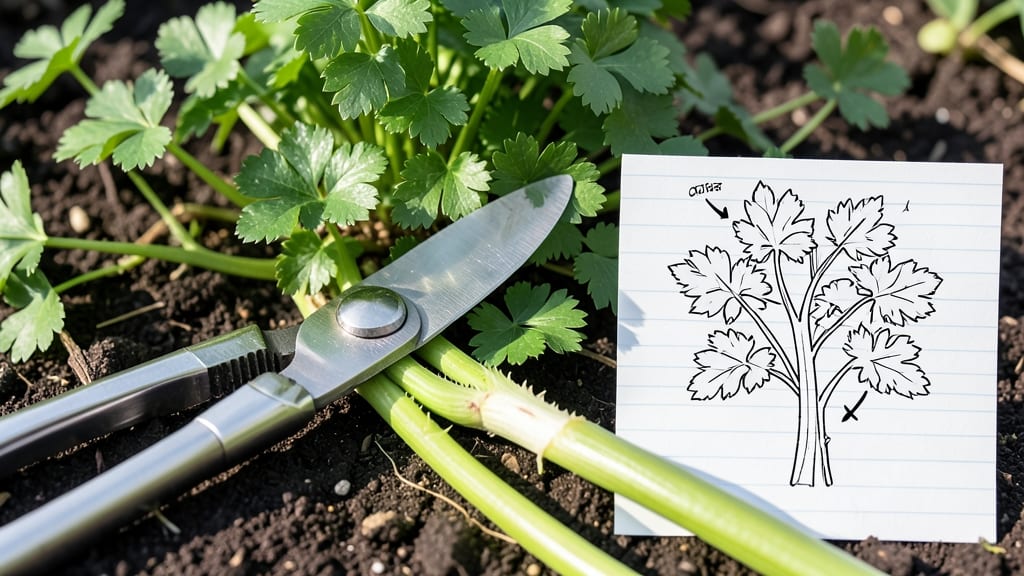
How to pick parsley so it grows back—the secret is cutting from the base of the outer stems rather than the center, which keeps the plant strong and productive. ✂️ I used to snip from the middle like everyone else, and my parsley would either bolt or just give up. Turns out, a few simple cuts can keep your plants thriving for years.
You’ll need clean, sharp scissors or pruners (dull blades tear stems and invite disease), and a sunny spot where your parsley already has at least 6-8 inches of growth.
The goal is to remove no more than one-third of the plant at a time, focusing on the larger, outer stems closest to the base. This leaves enough foliage to keep photosynthesizing while encouraging fresh regrowth.
After cutting, the plant will send up new shoots within 10-14 days if you keep the soil consistently moist (but not soggy) and fertilize lightly with compost tea or balanced fertilizer. The secret to long-term parsley success? Harvest regularly—every 4-6 weeks—rather than taking everything at once.
My flat-leaf parsley now grows back faster than my curly parsley, and it’s been going strong for three seasons.
Fair warning: parsley hates being overcrowded or waterlogged. If your plants look leggy or sparse after harvesting, it’s time to thin them out or add a fresh dose of compost. And if you’re growing in containers, make sure they’re at least 6 inches deep—shallow pots stunt regrowth.
With this method, you’ll have fresh parsley all season long, no store-bought bundles needed.
📚 In This Guide
- What you need
- Instructions
- Tips and common mistakes
- Wrapping up and next steps
What you need
- ● Sharp, clean pruning shears or scissors – Choose bypass pruners (not anvil-style) to avoid crushing stems. A 4- to 6-inch blade works best for precision.
- ○ Gloves (optional but recommended) – Nitrile or garden gloves protect your hands from dirt, sap, and potential skin irritation (especially if using chemical fertilizers).
- ● Watering can or hose with a gentle spray nozzle – A 1-gallon capacity is ideal for post-harvest hydration. Drip irrigation works too!
- ● Balanced, water-soluble fertilizer (5-5-5 or 10-10-10 NPK ratio) – 1 tablespoon per gallon of water for feeding after harvest. Fish emulsion or compost tea are great organic alternatives.
- ● Small container or bucket – For rinsing and storing freshly cut parsley (a 1-quart size is perfect).
- ● Disinfectant (rubbing alcohol or bleach solution) – Wipe pruners with 70% isopropyl alcohol or a 1:10 bleach-water mix before/after use to prevent disease spread.
- ● Mulch (straw, shredded leaves, or grass clippings) – Spread a 1-inch layer around the base to retain moisture and deter weeds.
- ● Garden journal or labeled tags – Track harvest dates and growth patterns to optimize future cuts.
- ● Pest control (neem oil or diatomaceous earth) – Keep aphids and parsley worms at bay if your plants are under siege.
Step-by-step instructions for harvesting parsley to encourage regrowth
Here's how to keep your parsley bushy and productive all season—no guesswork involved.
🌿 Step 1: Identify Mature Stems for Harvesting
Wait until your parsley has grown at least 6-8 inches tall with multiple sets of leaves. The outer stems are the ones to pick—they're thicker and have more leaf clusters than the center. These stems will regrow from the base if cut properly.
Look for stems with 3-4 sets of leaves along their length. These are mature enough to harvest without harming the plant. Avoid cutting the very center stems first—they're the plant's energy source for new growth. I always start with the outer stems to keep the center healthy and growing.
✂️ Step 2: Cut Stems at the Right Angle and Height
Use clean, sharp scissors or pruning shears to make your cut. Angle the blades slightly downward to prevent water from pooling on the stem, which could cause rot. Cut just above a set of leaves or a leaf node—this is where new growth will sprout from.
Leave the bottom 1-2 inches of the stem intact. This ensures the plant has enough energy reserves to regrow. If you cut too close to the base, you risk damaging the crown, which could stunt future growth. I like to make my cuts about ½ inch above the leaf node—this gives the plant room to regenerate while still encouraging bushier growth.
💧 Step 3: Water and Fertilize After Harvesting
After harvesting, water your parsley deeply to replenish moisture lost during cutting. The soil should be damp down to 2-3 inches deep. This helps the plant recover faster and encourages new growth from the cut stems.
Add a balanced, water-soluble fertilizer (like 10-10-10) diluted to half strength. This gives your parsley a quick boost of nutrients to support regrowth. I fertilize right after harvesting and again in 3-4 weeks to keep the plant thriving. Avoid over-fertilizing—too much can burn the roots and stress the plant.
☀️ Step 4: Monitor Light and Space for Bushier Growth
Place your parsley in a spot with 4-6 hours of sunlight daily. Too little light causes stems to grow leggy and weak, while too much direct sun can scorch the leaves. If your parsley starts leaning toward the light, rotate the pot a quarter turn every few days to keep it growing evenly.
Thin out any crowded stems by cutting them back at the base. This improves airflow and reduces the risk of fungal diseases. You'll see new shoots emerge from the base within 2-3 weeks—that's your parsley telling you it's happy and ready for another harvest.
⏰ Step 5: Repeat Harvests Every 4-6 Weeks
Once your parsley has regrown to 6-8 inches again, it's time to harvest another set of outer stems. Consistency is key—harvesting every 4-6 weeks keeps the plant bushy and productive. I mark my calendar with reminders so I don't wait too long between harvests.
Stop harvesting in late summer if your parsley starts to bolt (sending up flower stalks). Bolting makes the leaves bitter, and the plant focuses energy on seeds instead of regrowth. If this happens, you can still enjoy the leaves for cooking, but avoid cutting the stems to encourage more leaf production.
Tips & tricks for harvesting parsley to encourage regrowth
These simple strategies will help you keep your parsley thriving and productive for months.
Selection Tip: Always harvest from the outer stems first—these are the most mature and have the most leaf clusters. The center stems are the plant's energy source, so protecting them ensures your parsley keeps growing bushier. I like to think of it like trimming a hedge: you cut the outer growth to encourage new shoots from the center.
Cutting Technique: Make your cuts at a 45-degree angle about ½ inch above the leaf node (where leaves attach to the stem). This prevents water from pooling on the cut stem, which could cause rot. Using clean, sharp scissors is crucial—dull blades can crush the stem and damage the plant. I keep a small pair of pruning shears just for my herbs.
Regrowth Strategy: After harvesting, leave the bottom 1-2 inches of the stem intact. This ensures the plant has enough energy reserves to regrow. You'll see new shoots emerge from the base within 2-3 weeks if you've cut properly. This is your parsley's way of telling you it's happy and ready for another harvest!
Light Management: Position your parsley in a spot with 4-6 hours of sunlight daily—this is the sweet spot for healthy growth. Too little light causes leggy stems, while too much can scorch the leaves. I rotate my pot a quarter turn every few days to keep the plant growing evenly, especially if it starts leaning toward the light.
Pro Tips for Pick Parsley So It Grows Back
- These simple strategies will help you keep your parsley thriving and productive for months.
- Selection Tip: Always harvest from the outer stems first—these are the most mature and have the most leaf clusters.
- Cutting Technique: Make your cuts at a 45-degree angle about ½ inch above the leaf node (where leaves attach to the stem).
Frequently asked questions
How often should I harvest parsley to encourage regrowth?
Harvest parsley every 2–4 weeks during its growing season (spring to fall). Avoid over-picking—never take more than ⅓ of the plant at once. Regular, light harvesting stimulates bushier growth, while heavy pruning can stress the plant. Pro tip: If you see flowering stems, snip them off first—they signal the plant to focus on seeds, not leaves!
Can I harvest parsley in winter or will it die back?
Parsley is a biennial, meaning it may die back in cold climates (USDA zones 5–8) but often regrows in spring. In milder zones (9+), it can survive winter with mulch. If frost kills it, don’t panic—just replant seeds in early spring. Cold-hardy tip: Cut back dead foliage in late winter to encourage new growth when temps rise.
What’s the best way to harvest parsley if I don’t want to cut stems?
If you prefer not to cut stems, pinch off individual leaves from the outer edges. Avoid stripping leaves from the center, as this can damage the growing point. For flat-leaf parsley, you can also snip small sprigs (2–3 inches) from the outer stems—just leave the inner growth intact. Bonus: This method works great for container parsley too!
My parsley keeps growing back yellow or leggy—what’s wrong?
Yellowing or leggy parsley usually means too little light or overcrowding. Move it to 6+ hours of sunlight daily and thin out plants if they’re competing. If soil nutrients are lacking, add compost or a balanced fertilizer. Quick fix: Prune leggy stems back by ⅓ to encourage bushier, greener regrowth.
Can I regrow parsley from store-bought stems?
Yes! Place 3–4 inches of the stem in water (like a bouquet) and wait 1–2 weeks for roots to form. Once rooted, transplant to soil. Store-bought parsley often regrows, but flat-leaf varieties tend to work better than curly. Hack: Use a clean jar and change the water every 2 days to prevent bacteria.
Wrapping up and next steps
Picking parsley the right way doesn’t have to be complicated—just
Now that you’re ready to harvest like a pro, why not share your newfound skills? Try growing parsley in pots to gift to friends or experiment with different varieties. Happy gardening!