
Neem Oil
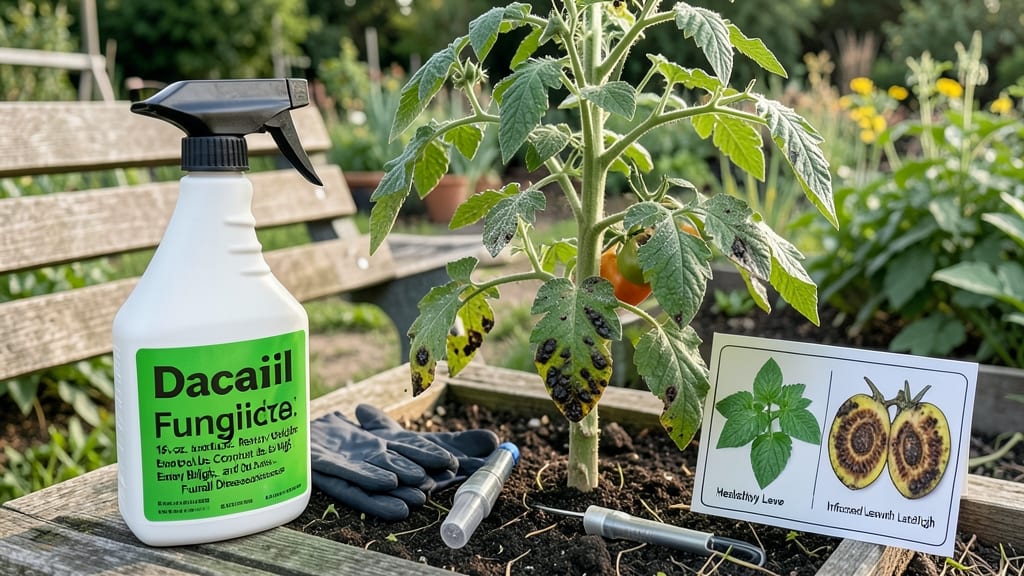
Powdery mildew turns your lush plants into ghostly white skeletons overnight. 🌱 Daconil fungicide stops it dead in its tracks—72-hour protection—but only if you use it right. I’ve saved my roses, squash, and phlox from this fungal nightmare by following these exact steps, and you can too.
First, grab your Daconil fungicide concentrate, a hose with a spray nozzle, and protective gear (gloves, long sleeves, and eye protection). Mix 2.67 fluid ounces per gallon of water—that’s about 1 tablespoon per quart—and stir well.
The key is even coverage: spray until the undersides of leaves are dripping wet, not just misted. Timing matters too—apply at dawn or dusk when plants are dry and the sun’s not beating down. You’ll see results within 3 days, but don’t stop there.
Reapply every 7-14 days or after heavy rain to keep those spores in check. For stubborn infections, add a second treatment 7 days later. And here’s the kicker: prevention is easier—space plants for airflow, water at the base, and avoid overhead sprinklers.
This isn’t just a quick fix; it’s a game-changer for fungal-prone plants. Just remember: Daconil works best as a preventative shield, not a cure-all. Stick with it, and your garden will stay vibrant and disease-free all season long.
📚 In This Guide
- What you need
- Instructions
- Tips and common mistakes
- Wrapping up and next steps
What you need
- ● Daconil Fungicide (Chlorothalonil): 1 gallon (3.78 liters) of Daconil Weather Stik (ready-to-use) OR
- ● 1 quart (0.95 liters) of Daconil Concentrate (requires dilution)
- ● Protective Gear: Nitrile gloves (waterproof, 1 pair)
- ● Long-sleeved shirt and long pants (to avoid skin contact)
- ● Safety goggles (to protect eyes from spray)
- ● Spray Equipment: Hose-end sprayer OR backpack sprayer (with a capacity of 1-3 gallons)
- ● Garden sprayer (1-2 gallon capacity) if diluting concentrate
- ● Water: 5 gallons (19 liters) of clean water (for dilution or mixing)
- ● Measuring Tools: Measuring cup or liquid measuring tool (if diluting concentrate)
- ● Stirring Stick or Paddle (for mixing concentrate with water)
- ● Ladder or step stool (for reaching tall plants or trees)
- ● Fan or gentle breeze (to speed up drying after application)
- ● Label or marker (to track application dates)
- ● Second pair of gloves (for handling plants after application)
Step-by-Step guide to applying Daconil fungicide for powdery mildew control
Here's my battle-tested method for stopping powdery mildew before it spreads—safely and effectively.
🌿 Step 1: Identify and Prepare the Affected Area
First, examine the plants carefully to confirm powdery mildew—look for white, powdery patches on leaves, stems, or flowers. This fungal infection thrives in humid conditions and spreads rapidly, so act quickly. Remove any severely infected plant debris immediately with gloves and dispose of it in a sealed plastic bag to prevent spores from spreading.
Choose a calm, dry day for application—wind or rain will reduce effectiveness. Early morning is ideal because the fungicide needs several hours of dry conditions to adhere properly. I always wear long sleeves, gloves, and eye protection when handling fungicides, even though Daconil is considered low toxicity.
💧 Step 2: Mix and Calibrate the Fungicide Solution
Fill a clean sprayer with water according to the manufacturer's instructions for Daconil—typically 1-2 tablespoons per gallon of water. Shake the bottle thoroughly before measuring to ensure the active ingredient (propiconazole) is evenly distributed. I use a dedicated sprayer for fungicides to avoid cross-contamination with other garden chemicals.
Test the spray pattern on a small area of foliage first to ensure even coverage. The solution should form fine droplets that cling to leaf surfaces without running off. Avoid mixing with other pesticides unless specifically recommended—chemical interactions can reduce effectiveness or harm plants.
☀️ Step 3: Apply the Solution Thoroughly and Strategically
Start spraying from the undersides of leaves, as powdery mildew often begins there. Hold the sprayer 12-18 inches away and apply until the leaves glisten but don't drip. Focus on new growth areas where spores are most likely to establish. I like to work in sections, moving systematically from the bottom to the top of each plant.
Pay special attention to crowded areas where airflow is restricted—this is where mildew thrives. Lightly mist the stems and buds too, as these are common infection sites. Avoid spraying in direct sunlight, which can cause the fungicide to evaporate too quickly. Reapply every 7-14 days or after heavy rain to maintain protection.
⏰ Step 4: Monitor and Maintain Protection
After application, keep an eye on treated plants for 72 hours—this is when you'll see the most improvement. If new white patches appear, repeat the treatment immediately. The key to long-term control is prevention, so I recommend applying Daconil as a preventive measure every 2-3 weeks during humid seasons, even if no mildew is visible.
Improve airflow around plants by pruning overgrown branches and spacing them properly. Water at the base in the morning to keep foliage dry, as moisture on leaves creates ideal conditions for fungal spores. Rotate with other fungicides if mildew persists, as repeated use of the same product can lead to resistance.
Tips & tricks for effective powdery mildew treatment
These proven strategies will help you maximize Daconil's effectiveness while avoiding common pitfalls that compromise results.
Timing is Critical: The 72-hour window after application is when you'll see the most dramatic improvement in mildew control. I recommend treating in the early morning so the fungicide has plenty of time to work before evening humidity sets in. This timing prevents the spores from establishing new colonies during their most vulnerable period.
Application Technique Matters: When spraying in Step 3, focus on creating a fine mist that coats both leaf surfaces and undersides completely. I use a gentle back-and-forth motion to ensure even coverage—this is where most gardeners miss spots. The undersides are particularly critical since mildew often starts there before spreading to visible surfaces.
Preventive Maintenance: The 2-3 week preventive schedule mentioned in Step 4 is non-negotiable during humid seasons. I've found that applying Daconil before mildew appears is far more effective than treating active infections. Think of it like taking vitamins before you get sick rather than waiting for symptoms to appear.
Equipment Selection: Using a dedicated sprayer for fungicides is one of the smartest investments you can make. I've ruined multiple batches of fungicide solutions by cross-contaminating with other garden chemicals. A simple plastic sprayer (like those designed for herbicides) will give you the most consistent results without the risk of chemical interactions.
Pro Tips for Daconil Fungicide How To Use
- These proven strategies will help you maximize Daconil's effectiveness while avoiding common pitfalls that compromise results.
- Timing is Critical: The 72-hour window after application is when you'll see the most dramatic improvement in mildew control.
- Application Technique Matters: When spraying in Step 3, focus on creating a fine mist that coats both leaf surfaces and undersides completely.
Frequently asked questions
How often should I apply Daconil fungicide for best results?
For preventive treatment, apply every 7–14 days during humid or rainy seasons. If treating an active infection, reapply every 7–10 days until the mildew disappears. Always follow the label’s instructions for your specific plant type.
How long does Daconil take to work against powdery mildew?
Daconil starts working within 24–48 hours, but you’ll see visible results in 72 hours with consistent coverage. For severe cases, combine with cultural controls (like pruning) for faster recovery. Patience is key!
Can I use Daconil on edible plants like vegetables or fruits?
Yes, but only after harvest (for most plants) or follow the pre-harvest interval (PHI) on the label—typically 1–14 days, depending on the crop. Avoid overspraying edible parts to prevent residue. Always check the label for specific plant safety guidelines.
What should I do if rain is forecasted after applying Daconil?
Wait 24–48 hours before watering or expecting rain to let the fungicide bond to plant surfaces. Rain can wash it off, reducing effectiveness. If rain is imminent, reapply after it stops. Timing is everything!
What’s a natural alternative if I can’t use Daconil?
Try neem oil (1 tsp + 1 quart water + soap), baking soda spray (1 tbsp baking soda + 1 gallon water + a drop of oil), or hydrogen peroxide (3%) (1 part H₂O₂ to 3 parts water). These are less toxic but may require more frequent applications.
Why isn’t Daconil working even after multiple applications?
Check for resistance (rotate with other fungicides like copper or sulfur), poor coverage (spray undersides of leaves!), or favorable mildew conditions (high humidity, poor airflow). Adjust your watering habits (water at soil level) and prune plants for better airflow.
Wrapping up and next steps
Using Daconil fungicide is your secret weapon against powdery mildew, giving your plants a fighting chance in just 72 hours! 🌱 With the right preparation, application technique, and safety precautions, you’ll keep fungal diseases at bay while protecting yourself and the environment.
Now that you’re armed with the know-how, grab your sprayer and get started—your garden will thank you!
Next step: Check the weather forecast and schedule your first treatment before mildew even appears. Early action is key to long-term plant health!