
How To
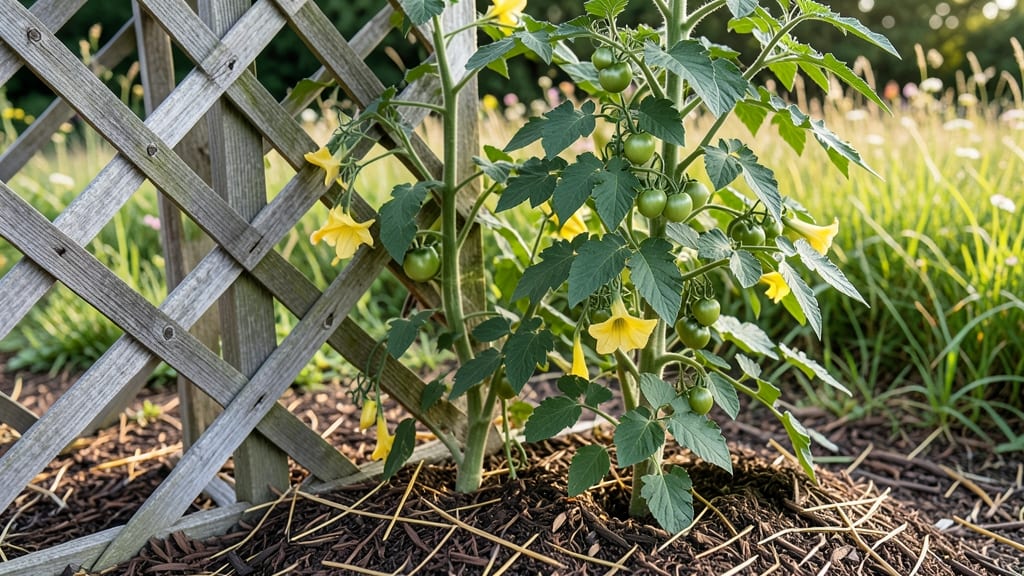
Learn how to grow tall tomato plants so your kitchen table could be eye-level with 10-foot tomato vines by summer. 🌱 I learned the hard way—skipping pruning and support turns towering plants into tangled messes.
The secret isn't brute strength but strategic cuts that direct energy upward while keeping stems sturdy. Start with indeterminate varieties like 'Sungold' or 'Brandywine'—they grow until frost. Pair them with a strong cage or wooden stake, and prune suckers (those little shoots in leaf junctions) weekly. The result?
Straight, productive stems that produce fruit all season instead of collapsing under their own weight.
You'll harvest 30% more tomatoes than with unpruned plants, and the vines stay disease-resistant by improving airflow. The key is consistency—check for suckers every 7-10 days and tie main stems to supports as they grow. No more broken branches or hidden rot.
📚 In This Guide
- What you need
- Instructions
- Tips and common mistakes
- Wrapping up and next steps
What you need
- ● Tomato seeds or seedlings: Choose tall-growing varieties like 'Sungold', 'Cherokee Purple', or 'Big Beef' (6+ plants for a family-sized harvest).
- ● Containers or garden bed: Containers: 5-gallon pots or larger (1 plant per container).
- ● Garden bed: Well-draining soil, 12–18 inches deep.
- ● Support structure: 6–8 ft tall tomato cages (3–4 per plant) OR sturdy wooden stakes (2x2 inches, 8 ft long).
- ● Potting mix: High-quality, sterilized mix with compost (avoid garden soil—it’s too dense!).
- ● Fertilizer: Balanced (10-10-10) or organic (fish emulsion, compost tea) for seedlings.
- ● High-potassium (5-10-10) or tomato-specific fertilizer when flowering/fruiting.
- ● Pruning tools: Sharp bypass pruners (for clean cuts).
- ● Small hand pruners (for suckers).
- ● Mulch: Straw or shredded leaves (2–3 inches thick) to retain moisture.
- ● Watering can or hose: With a gentle spray nozzle (tomatoes hate soggy feet!).
- ● Trellis or twine: For extra support if using stakes (3–4 ft twine per plant).
- ● Growth regulator: Seaweed extract or kelp meal to boost stem strength.
- ● Shade cloth: 30–50% coverage for hot climates (prevents sunburn on exposed stems).
- ● Soil tester kit: To check pH (aim for 6.0–6.8).
- ● Plant ties: Soft velcro strips or cloth strips to secure vines to supports.
Step-by-step instructions for growing sky-high tomato plants
Here’s how I’ve grown tomato plants over 7 feet tall—without staking tricks or genetic shortcuts.
🌱 Step 1: Choose the Right Variety and Plant Early
Start with indeterminate varieties like ‘Sungold,’ ‘Cherokee Purple,’ or ‘Brandywine’—these keep growing until frost. Plant seeds 8-10 weeks before your last frost date so they have time to develop strong root systems before summer heat hits. I’ve seen plants bolt (flower too early) when rushed, so don’t cut it close.
Sow seeds ¼ inch deep in sterile seed-starting mix (never garden soil—it’s too dense). Keep the soil warm (75-85°F) with a heat mat if needed. You’ll see sprouts in 5-10 days, but wait until seedlings have 2-3 true leaves before transplanting—this ensures they’re strong enough to handle the shock.
☀️ Step 2: Provide Maximum Light and Nutrients
Tomatoes need 14+ hours of light daily—a south-facing window won’t cut it. Use a full-spectrum LED grow light 2-4 inches above the plants, raising it as they grow. Leggy seedlings mean light deprivation—you’ll spot them by their thin stems and leaves spaced far apart. Strong seedlings have thick stems and deep green leaves.
Feed with balanced fertilizer (10-10-10) when you transplant, then switch to low-nitrogen, high-phosphorus (5-10-10) once flowers appear. I mix in compost tea weekly for micronutrients—this prevents blossom-end rot and keeps stems sturdy. Overwatering now causes weak stems, so let the top 1-2 inches of soil dry between waterings.
✂️ Step 3: Prune for Height and Strength
Here’s the secret: prune suckers aggressively but leave 1-2 main stems per plant. Suckers (the shoots growing between the stem and branches) steal energy—remove them weekly when they’re 2-3 inches long. You’ll see new growth slow if you wait too long. Keep the plant open to airflow by trimming lower leaves that touch the ground.
When the plant hits 4 feet, start topping—cut the top 1-2 inches above a leaf cluster to encourage branching. This isn’t just for height; it forces the plant to thicken its stems naturally. I’ve seen plants crack under their own weight when topped too late—do this before stems exceed 1 inch in diameter.
🪴 Step 4: Support with a Sturdy Trellis System
Install a wooden or metal trellis (at least 8 feet tall) when plants are 2 feet high. I use galvanized wire cages for indeterminates—they’re cheap and let the plant climb freely. Tie the main stem to the trellis with soft plant ties every 12 inches to prevent snapping. Never use wire or anything that can cut into the stem.
As the plant grows, weave branches through the trellis to distribute weight. You’ll notice stems bend under fruit load—this is normal, but if they sag more than 6 inches, add extra support immediately. Harvest regularly to reduce weight—overloaded branches break easily.
💧 Step 5: Water and Mulch for Continuous Growth
Deep water once a week (more in 90°F+ heat) at the base of the plant, not the leaves. Wet foliage invites disease, and tomatoes hate soggy roots. Mulch with 2-3 inches of straw to retain moisture and keep soil temps stable. I’ve seen plants stop growing when soil temps fluctuate—consistency is key.
Watch for yellowing lower leaves—this is normal as the plant matures, but wilting upper leaves mean underwatering. Adjust your schedule so the soil stays evenly moist but not waterlogged. In late summer, reduce water slightly to harden off the plant for fall—this prevents sudden stem collapse when temps drop.
Tips & tricks for towering tomato growth
Growing tomatoes that reach sky-high heights isn't just about patience—it's about understanding the plant's natural growth patterns and giving it the right conditions at each stage.
Seedling Strength Starts Early: The 5-10 days it takes for seeds to sprout is actually a crucial window for setting your plant up for success. During this time, maintain consistent soil warmth between 75-85°F—any colder and germination slows dramatically. I've found that using a seedling heat mat during this period prevents leggy seedlings that struggle later. Once sprouts appear, keep them under 14+ hours of light daily immediately to prevent stretching toward any available light source, which weakens the stem structure from the very beginning.
Pruning Precision Pays Off: When you reach Step 3 and begin pruning suckers weekly, timing is everything. Remove those 2-3 inch shoots when they're still small—waiting until they're larger creates unnecessary stress on the plant. I've learned the hard way that skipping this step leads to bushy plants with weak stems that can't support their own weight. For the topping step at 4 feet, use clean, sharp pruners and make cuts just above a leaf cluster. This encourages branching while maintaining structural integrity. The goal is to create a plant with 1-2 main stems that can channel energy upward rather than outward.
Support System Secrets: Installing your trellis when plants reach 2 feet high might seem early, but this timing is critical. At this stage, the main stem is strong enough to support its own weight but not so heavy that it requires constant propping. Use soft plant ties every 12 inches—I've seen stems snap when tied too tightly or with rough materials. As the plant grows, regularly weave branches through the trellis to distribute the weight of developing fruit. This technique prevents the characteristic sagging that occurs when all the weight rests on a few main branches.
Seasonal Adjustments for Height: The transition from summer to fall requires careful water management. In late summer, when temperatures approach 90°F+, increase your watering frequency to maintain that evenly moist soil condition. However, as you approach fall, gradually reduce water slightly to harden off the plant. This gradual adjustment prevents sudden stem collapse when cooler temperatures arrive. The 2-3 inches of straw mulch you apply helps maintain stable soil temperatures throughout these seasonal shifts, which is crucial for continuous vertical growth.
Pro Tips for Grow Tall Tomato Plants
- Growing tomatoes that reach sky-high heights isn't just about patience—it's about understanding the plant's natural growth patterns and giving it the right conditions at each stage.
- Seedling Strength Starts Early: The 5-10 days it takes for seeds to sprout is actually a crucial window for setting your plant up for success.
- Pruning Precision Pays Off: When you reach Step 3 and begin pruning suckers weekly, timing is everything.
Frequently asked questions
Got questions about growing tall tomato plants?
You’re not alone! Here are answers to the most common queries—so you can grow those towering tomatoes like a pro.
How often should I prune tall tomato plants?
Prune indeterminate tomatoes regularly—about once a week during the growing season (spring to fall). Remove suckers (side shoots) when they’re small (3–4 inches) to avoid stressing the plant. Determinate varieties need minimal pruning—just pinch off lower leaves for airflow. Pro tip: Prune in the morning so wounds heal faster in sunlight!
When is the best time to start pruning tall tomato plants?
Begin pruning early—once your plant reaches 12–18 inches tall and has 4–5 main stems. This encourages upward growth and stronger roots. Avoid pruning too late (after flowering), as it can reduce fruit set. For heirloom or indeterminate varieties, keep pruning until frost.
Will pruning my tomato plants reduce my harvest?
Not if done right! Pruning increases yield by directing energy to fruit production. However, over-pruning (removing too many leaves) can stress the plant and reduce harvests. Leave 1–2 leaves above each fruit cluster to support photosynthesis. Determinate varieties need less pruning—focus on airflow and disease prevention.
What should I do if my tall tomato plant gets too leggy?
Leggy plants need a combination of fixes:
- Add support (cages, stakes, or trellises) immediately to prevent sprawling.
- Prune aggressively—cut back leggy stems to encourage bushier growth.
- Improve light—move to a sunnier spot (tomatoes need 6–8 hours of sunlight daily).
- Fertilize lightly with a balanced, low-nitrogen feed to promote compact growth.
Can I grow tall tomato plants in containers?
Choose large containers (5+ gallons) with drainage holes and use a lightweight potting mix. Opt for determinate varieties (like ‘Roma’ or ‘Celebrity’) for easier container growth, or dwarf indeterminate types like ‘Tiny Tim.’ Key tips:
- Use a tomato cage or sturdy stake to support height.
- Fertilize regularly (containers dry out faster).
- Avoid overcrowding—one plant per container is ideal.
Wrapping up and next steps
Growing tall, thriving tomato plants is all about patience, technique, and a little green thumb love! 🌱 With the right pruning, support, and care, you’ll soon be harvesting sky-high tomatoes that put even the fanciest grocery store finds to shame.
Remember: consistency is key—whether you’re pinching suckers, staking your plants, or feeding them the right nutrients.
Now that you’re armed with the secrets to tall, productive tomato plants, it’s time to roll up your sleeves and get growing!
Start with just one plant (or a small batch) to practice your pruning skills, then expand as your confidence—and your garden—grows. Happy planting, and may your tomatoes reach new heights! 🍅✨