Companion Plants
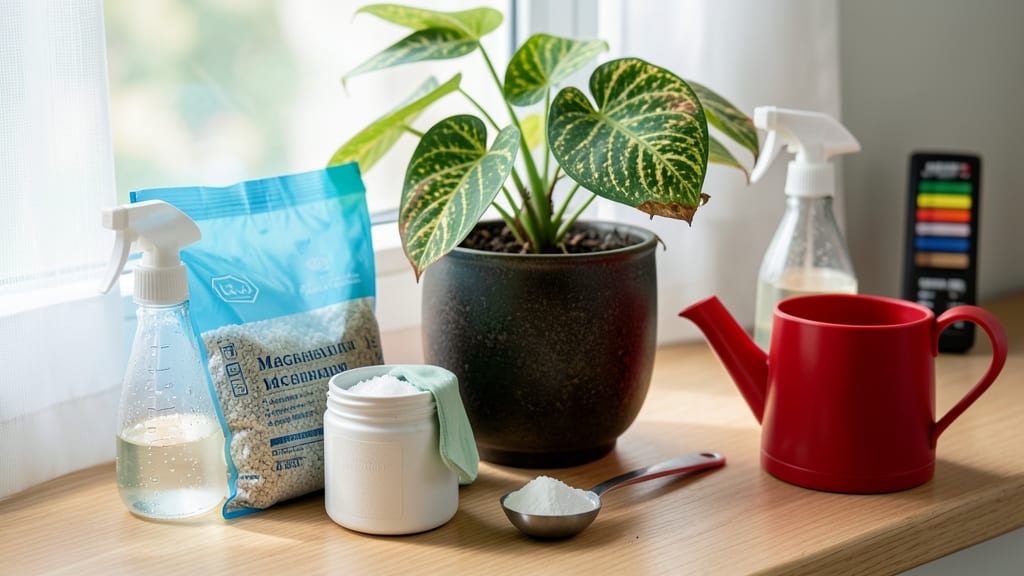
How to add magnesium to plants—yellowing leaves between veins are the first sign your plants are crying out for this essential nutrient. 🌿 I’ve saved countless plants from this telltale deficiency using a simple, science-backed solution—one that costs pennies and takes minutes to apply. Magnesium is the secret ingredient in chlorophyll, the pigment that turns sunlight into energy. When plants lack it, older leaves develop yellow patches while veins stay green. The fix isn’t complicated: a targeted soil drench or foliar spray with Epsom salt (magnesium sulfate) can revive struggling plants in days. Even acid-loving plants like blueberries respond well—just adjust the method slightly. Start with 1 tablespoon of Epsom salt per gallon of water for soil drenches or a light foliar mist. Apply every 2-4 weeks until leaves regain their deep green. Overdoing it? Roots can burn, so always use the recommended dose and monitor progress. This method works for houseplants, container gardens, and in-ground beds. The key is consistency—don’t expect miracles overnight, but you’ll see results within 2-3 weeks of regular applications. Let’s get those leaves vibrant again!
📚 In This Guide
- What you need
- Instructions
- Tips and common mistakes
- Wrapping up and next steps
What you need
- ● Epsom salt (magnesium sulfate) – 1 tablespoon per gallon of water (e.g., 16 tbsp for 16 gallons). Look for food-grade or horticultural-grade Epsom salt for safety.
- ● Water – 1 gallon (3.8 liters) per 10 sq ft of soil (adjust for container size). Use room-temperature, dechlorinated water (let tap water sit out for 24 hours or use distilled/rainwater).
- ● Spray bottle or watering can – A 1-gallon capacity with a fine mist nozzle for foliar spraying or a rose-watering can for soil drenching.
- ○ Gardening gloves – Optional but recommended to avoid skin irritation from Epsom salt.
- ● pH test kit – To check soil pH (ideal range: 6.0–7.0 for magnesium absorption).
- ● Measuring cups/spoons – For precise Epsom salt ratios (especially for large gardens).
- ● Funnel – If mixing Epsom salt in a large container.
- ● Label maker – To mark spray bottles or containers with dates (if storing solution).
- ● Identify magnesium-deficient plants (yellowing leaves between veins, weak stems, or slow growth). Common candidates: tomatoes, peppers, roses, houseplants (like snake plants or ferns), and citrus trees.
- ● Choose the right application method: Foliar spray – Best for quick absorption (use in early morning/evening to avoid leaf burn).
- ● Soil drench – Ideal for root uptake (water thoroughly into the soil).
- ● Avoid applying Epsom salt if your soil is already high in magnesium (test with a soil kit or consult a local extension service).
Step-by-Step instructions for boosting plant health with magnesium
Here’s how I restore vibrant green growth using an easy, science-backed method.
💧 Step 1: Prepare the Epsom Salt Solution
Dissolve 1 tablespoon of Epsom salt (magnesium sulfate) into 1 gallon of lukewarm water. Stir gently until fully dissolved—no crystals should remain at the bottom. I like to use a clean spray bottle for foliar applications, but a watering can works for soil treatment. The solution should look clear, not cloudy.
Use lukewarm water (not hot) to avoid shocking plant cells. If the water feels warm to your touch, it’s perfect. This method ensures maximum magnesium uptake while preventing leaf burn. For larger plants or containers, double the ratio: 2 tablespoons per gallon.
🌿 Step 2: Apply to Soil or Leaves
For soil application, water the base of the plant until the top 2-3 inches of soil are evenly moist. This method works best for container plants, houseplants, and garden beds where roots can absorb magnesium directly. Avoid overwatering—soil should feel damp but not soggy. You’ll see improved growth within 2-4 weeks if the deficiency was mild.
For foliar feeding, spray the solution directly onto leaves in the early morning or late afternoon when sunlight is gentle. Focus on the undersides of leaves where stomata (pores) are most active. Hold the spray bottle 6-12 inches away to avoid runoff. This method delivers magnesium faster but requires more frequent applications.
⏰ Step 3: Monitor and Repeat as Needed
Check plants 7-10 days after application for signs of improvement. Look for darker green leaves, stronger stems, and reduced yellowing between veins (a classic magnesium deficiency symptom). If yellowing persists, repeat the treatment every 2-4 weeks during the growing season. Overapplication won’t harm plants, but it’s unnecessary—magnesium builds up in soil over time.
For houseplants, a monthly foliar spray keeps magnesium levels balanced. For vegetable gardens, apply the soil solution once every 4-6 weeks during active growth. Stop treatments 4-6 weeks before harvest for edible plants to allow any residual salt to dissipate.
🌱 Step 4: Combine with Other Nutrients for Best Results
Magnesium works synergistically with calcium and potassium. If your plants show yellowing edges (potassium deficiency) or blossom end rot (calcium deficiency), pair this treatment with a balanced fertilizer. I often mix 1 tablespoon Epsom salt + 1 tablespoon calcium nitrate into the same gallon of water for comprehensive care.
For acid-loving plants (like azaleas or blueberries), avoid overdoing magnesium—it can raise soil pH. Test soil pH annually and adjust accordingly. Most plants thrive with a pH between 6.0 and 7.0, so monitor reactions closely. If leaves develop brown spots, flush the soil with plain water to prevent salt buildup.
Tips & tricks for boosting plant health with magnesium
Here's what nobody tells you about maximizing your Epsom salt solution's effectiveness.
Solution Clarity is Key: The moment your Epsom salt solution looks cloudy, strain it through a clean coffee filter or cheesecloth. Undissolved crystals or cloudiness can clog plant pores and prevent magnesium uptake. I've seen this cause brown leaf tips when people skip this step—don't make my mistake! For extra clarity, use distilled water instead of tap water, which often contains minerals that can interfere.
Timing Secret for Foliar Feeding: The 7-10 day check in Step 3 is your first real test. If you don't see any improvement after this window, your plants might need a stronger solution—try increasing to 2 tablespoons per gallon for the next application. Remember, foliar feeding works fastest because leaves absorb magnesium immediately, but you'll need to repeat every 2-4 weeks during active growth to maintain results. The early morning or late afternoon timing in Step 2 prevents evaporation and leaf burn from sunlight.
Soil Application Depth Matters: When applying to soil in Step 2, focus on wetting only the top 2-3 inches—not deeper. Magnesium uptake happens in the root zone where microbes are active, and overwatering deeper can dilute the solution before roots reach it. For container plants, let the solution drain completely from the bottom to prevent salt buildup, which can actually harm roots over time. I've had houseplants thrive with this method when I was previously overwatering and causing root rot.
Nutrient Synergy Strategy: The calcium nitrate pairing in Step 4 isn't just optional—it's a game-changer for plants showing multiple deficiency symptoms. When mixing nutrients, always dissolve both salts completely before application. I've noticed tomato plants with blossom end rot respond dramatically when I combine magnesium with calcium, even though the instructions only mention magnesium. The key is to use the same water volume (1 gallon) for both nutrients to maintain proper ratios.
Pro Tips for Add Magnesium To Plants
- Here's what nobody tells you about maximizing your Epsom salt solution's effectiveness.
- Solution Clarity is Key: The moment your Epsom salt solution looks cloudy, strain it through a clean coffee filter or...
- Timing Secret for Foliar Feeding: The 7-10 day check in Step 3 is your first real test. If you don't see any improvem...
Frequently asked questions
Got questions about boosting your plants with magnesium? You’re not alone! Here are some of the most common queries—and straightforward answers—to help you grow like a pro.
How often should I add magnesium to my plants?
For most plants, once every 4–6 weeks during the growing season (spring to fall) is ideal. Overdoing it can lead to salt buildup in soil, so dilute your Epsom salt solution (1 tbsp per gallon of water) and monitor your plants’ response. Leaf yellowing between veins? That’s a sign they’re craving more!
Can I use Epsom salt on all types of plants?
Epsom salt (magnesium sulfate) is safe for most plants, including vegetables, flowers, and houseplants like ferns and tomatoes. However, avoid using it on blueberries, azaleas, or rhododendrons—these acid-loving plants prefer chelated magnesium. Always check your plant’s specific needs first!
How long does it take to see results after adding magnesium?
You might notice improved color and vigor in 1–2 weeks, but full benefits can take 4–6 weeks to show. Patience is key! If your plants still look lackluster after a month, test your soil’s pH and magnesium levels—sometimes other nutrients (like calcium or potassium) are competing for absorption.
What are some alternatives to Epsom salt for magnesium?
If you’re out of Epsom salt, try these magnesium-rich options:
- Magnesium sulfate crystals (pure form of Epsom salt).
- Dolomitic lime (slow-release, great for soil health).
- Seaweed extract (contains trace magnesium + growth hormones).
- Compost or worm castings (organic but less concentrated).
Why are my plant leaves turning yellow after adding magnesium?
Yellowing between veins (chlorosis) is often a magnesium deficiency, but if it happens after treatment, you may have:
- Over-applied Epsom salt (flush soil with water to reduce salt buildup).
- Poor drainage (roots struggling to absorb nutrients).
- Other deficiencies (like iron or nitrogen) masking the issue.
Is it safe to use magnesium supplements on edible plants?
Yes! Epsom salt is FDA-approved as safe for organic gardening when used as directed. For edibles like tomatoes, peppers, or herbs, stick to foliar sprays or soil applications (1 tbsp/gallon) and rinse fruits/veggies before eating. Always follow organic gardening guidelines if certified.
Wrapping up and next steps
Adding magnesium to your plants with an Epsom salt solution is a simple, cost-effective way to boost their health and vitality! 🌱 Whether you’re dealing with yellowing leaves, slow growth, or just want to give your greens a nutrient boost, magnesium is the secret ingredient your plants need.
Now that you’re armed with this knowledge, roll up your sleeves and get growing! Start with one plant or pot and observe the changes—you’ll be amazed at how a little magnesium can transform your garden. Happy gardening! 🌿