
Pests
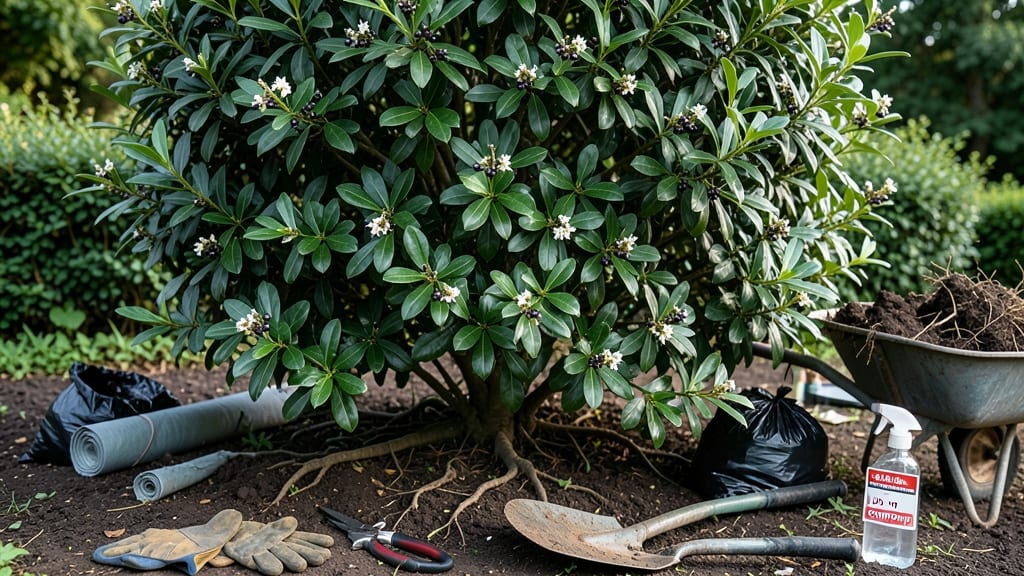
How to get rid of Chinese privet—this garden weed is a relentless invader, and it’s time to take back your space. 🌿 I’ve wrestled with this aggressive shrub for years, and the vinegar-soap stump treatment finally gave me the upper hand by killing roots where they hide.
Most methods fail because they only chop the top while leaving roots to regrow like a stubborn weed. This technique works fast by delivering a one-two punch: vinegar’s acid burns through living tissue while soap breaks down the waxy barrier that protects roots.
You’ll see brown, mushy stumps within 24 hours, and the roots will die back completely in 2-3 weeks—no waiting months for slow-acting herbicides.
The payoff? No more privet sprouts popping up in your flower beds or along fences. Your yard stays privet-free for good, and you avoid the ecological risks of chemical sprays. Plus, the method costs pennies compared to hiring a landscaper to dig it out by hand.
This works best in warm, sunny weather when plants are actively growing, but even cooler months can see results with a little patience. Just don’t skip the follow-up checks—those roots can be sneaky. Ready to reclaim your space?
📚 In This Guide
- What you need
- Instructions
- Tips and common mistakes
- Wrapping up and next steps
What you need
- ● Loppers or pruning shears: Heavy-duty, bypass-style (for clean cuts), with a 3- to 5-foot reach (e.g., Felco F-2 or Corona Tools). Quantity: 1 pair.
- ● Hand saw or chainsaw: For thick stems/trunks (2–4 inches in diameter). A pruning saw (like the Fiskars X27) or a chainsaw with a 12–14-inch bar works best. Quantity: 1.
- ● Vinegar: 20–30% acetic acid (undiluted, not household vinegar). Quantity: 1 gallon per stump.
- ● Dish soap: Blue Dawn or Dawn Powerwash (adds surfactant to break down plant tissues). Quantity: 2–3 tbsp per gallon of vinegar.
- ● Plastic wrap or heavy-duty trash bags: 6–12 mil thickness, large enough to cover stumps (e.g., 30–50 gallons). Quantity: 1–2 per stump.
- ● Rubber gloves: Nitrile or latex (vinegar is corrosive!). Quantity: 1 pair.
- ● Safety goggles & long sleeves: Protect against sap, debris, and chainsaw kickback.
- ○ Shovel or mattock: For digging around roots (optional but helpful for stubborn stumps).
- ● Root killer concentrate: 20–40% glyphosate (e.g., Roundup Concentrate) for large infestations. Use only if vinegar fails.
- ● Stump grinder: Rent one ($80–$150/day) for thick, mature privet stumps (3+ inches wide).
- ● Hose with nozzle: For rinsing tools and cleaning up vinegar splashes.
- ● Broadcast spreader: If treating large areas with vinegar-soap spray (e.g., for regrowth prevention).
Step-by-Step instructions for eliminating Chinese privet
This method works fast—you'll see results within weeks if you follow these precise steps.
✂️ Step 1: Cut the Privet at the Base and Immediately Apply Treatment
Use a sharp pruning saw or chainsaw to cut the Chinese privet stem at the base, making the cut 1 inch above ground level. This ensures you sever the main root system while leaving enough stump to absorb the treatment. Wear gloves—privet sap can irritate skin, and the plant fights back with thorns.
As soon as you cut, pour a mixture of 1 gallon white vinegar and 2 tablespoons dish soap directly into the fresh cut stump. The soap breaks down the waxy layer on the plant, allowing the vinegar to penetrate and kill the root system. You'll see immediate bubbling—this is the chemical reaction working. Repeat this process on all main stems you cut.
🌱 Step 2: Cover the Stump with Plastic and Monitor for Signs of Death
Place a clear plastic bag over the cut stump and secure it tightly with twine or a rubber band. This creates a greenhouse effect that speeds up the vinegar's effectiveness. Check the stump daily—you'll notice the leaves on remaining branches wilting within 3-5 days. If new shoots appear, cut them off immediately and reapply the vinegar-soap mixture.
Within 2-3 weeks, the entire plant should turn brown and crispy. If you see green growth after this time, the roots may still be active. Simply cut any new shoots and reapply the treatment—this aggressive approach ensures no regrowth.
☀️ Step 3: Dig Up and Inspect Remaining Roots for Full Eradication
After 4-6 weeks, when the plant appears completely dead, use a shovel to dig around the base and expose any remaining roots. Chinese privet has a deep root system, so you may need to go 12 inches deep in some areas. Pull out every root fragment you can find—even small pieces can regrow into new plants.
Burn or bag all removed plant material immediately. Never compost privet—its roots can survive composting and sprout later. If you're unsure whether you've removed all roots, mark the spot and monitor it for 3 months. Any new shoots mean you missed some roots and need to dig deeper.
🪴 Step 4: Prevent Regrowth with Soil Treatment (Optional but Recommended)
For extra security, apply a 2-inch layer of landscape fabric over the area where the privet grew. This blocks sunlight from reaching any hidden roots or seeds in the soil. Alternatively, you can cover the area with 6 inches of wood chips or mulch, which smothers remaining roots over time.
If you're planting something new in the space, choose a competitive ground cover like clover or creeping thyme. These plants will outcompete any lingering privet roots that might try to resprout. Water the new plants regularly to help them establish quickly and fill the space.
Tips & tricks for fast Chinese privet removal
Here's what I learned after battling stubborn privet patches—these tricks speed up the process and prevent regrowth.
Precision Cutting: When you cut the stems in Step 1, make the 1-inch cut as clean as possible with a sharp saw. Ragged edges won't absorb the vinegar-soap mixture as effectively, which could leave some roots alive. I recommend using a pruning saw for smaller stems and a chainsaw for thicker trunks to ensure clean cuts every time.
Vinegar-Soap Ratio Matters: The 1 gallon white vinegar to 2 tablespoons dish soap ratio is critical. Too much soap can damage nearby plants, while too little won't break down the plant's protective wax layer. I always mix this in a clean 5-gallon bucket first to ensure even distribution. The immediate bubbling you see is your confirmation that the treatment is working—don't skip this visual check!
Monitoring Timing: The 3-5 days to see wilting leaves in Step 2 is your first sign of success, but don't get complacent. Some stubborn plants may take up to 7 days to show signs. If you notice new shoots after the 2-3 week mark, it means the roots are still active—cut them immediately and reapply the treatment. I've found that consistency is key here; one application rarely does the job completely.
Root Inspection Strategy: When digging in Step 3, focus on the 12-inch depth requirement, but also look for horizontal roots that can spread outward. I like to use a garden fork to gently loosen the soil before digging—this helps reveal any hidden roots that might be missed with a shovel. Marking the area with stakes after removal helps you track any potential regrowth during the 3-month monitoring period.
Pro Tips for Get Rid Of Chinese Privet
- Here's what I learned after battling stubborn privet patches—these tricks speed up the process and prevent regrowth.
- Precision Cutting: When you cut the stems in Step 1, make the 1-inch cut as clean as possible with a sharp saw. Ragge...
- Vinegar-Soap Ratio Matters: The 1 gallon white vinegar to 2 tablespoons dish soap ratio is critical. Too much soap ca...
Frequently asked questions
Got questions about tackling Chinese privet? You’re not alone—this invasive plant can be stubborn! Here are some of the most common concerns and straightforward answers to help you succeed.
How long does it take to fully kill Chinese privet with vinegar-soap treatment?
The vinegar-soap method typically kills the top growth within 24–72 hours, but roots may take 2–4 weeks to fully decompose. For best results, reapply the treatment if new shoots appear. Patience is key—consistency ensures long-term success!
Will this method harm nearby plants or grass?
Yes, vinegar is non-selective, so protect surrounding plants with a plastic barrier or by spraying them with water first. For grass, consider spot-treating or using a targeted applicator to minimize damage. Always do a small test area first!
What’s the best time of year to treat Chinese privet?
The ideal window is late spring to early summer when the plant is actively growing and storing energy in its roots. Avoid treating in winter—roots are dormant, making the treatment less effective. Early morning or late evening applications reduce evaporation.
What if the privet keeps regrowing after treatment?
Regrowth usually means roots or root fragments are still alive. Dig up the stump (if accessible) or reapply the vinegar-soap mix directly to the base. For large infestations, consider a follow-up herbicide (like glyphosate) for stubborn roots.
Are there natural alternatives to vinegar-soap for removing Chinese privet?
Yes! While vinegar-soap is effective, other options include:
- Manual removal: Dig out roots (wear gloves—this plant has thorns!).
- Smothering: Cover with thick cardboard + mulch for 6+ months.
- Goat grazing: Some farmers use goats to eat the plant (if legal in your area).
- Salt solutions: Mix 2 cups salt + 1 gallon vinegar (use cautiously near desirable plants).
Each method has pros/cons—vinegar-soap is a great balance of speed and affordability!
Wrapping up and next steps
Getting rid of Chinese privet doesn’t have to be a losing battle—with the right vinegar-soap stump treatment, you can permanently eliminate this invasive plant and reclaim your yard! 🌱 The key is consistency: cut, treat, and monitor those roots until they’re no more. You’ve got this!
Ready to take action? Start by gathering your supplies and tackling that first stubborn stump today. Your yard (and future generations of gardeners!) will thank you. 🎉