
How To
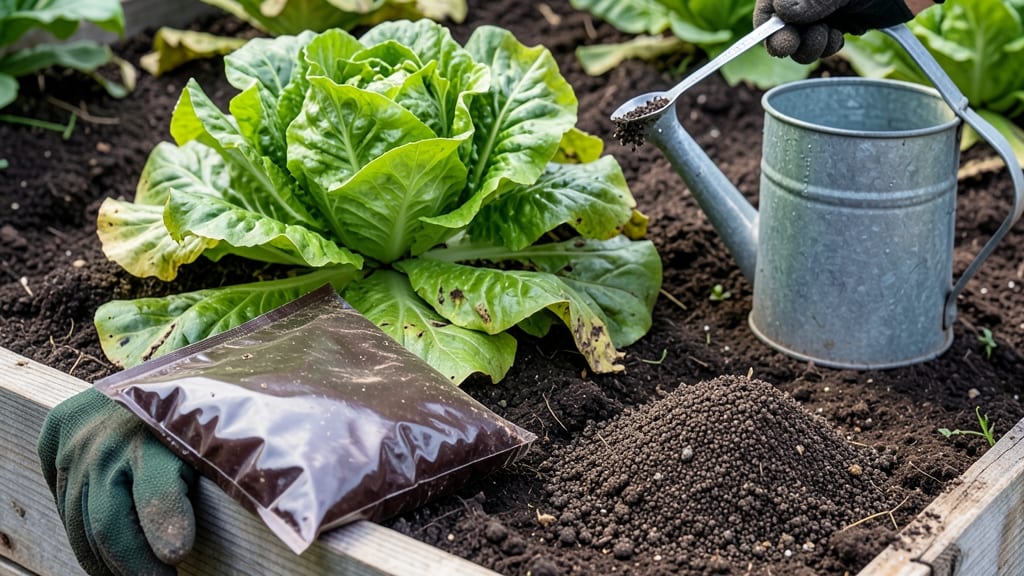
How to boost nitrogen in soil organically is the game-changer your struggling plants need. Yellowing leaves and stunted growth scream one thing: your soil needs nitrogen. 🌱 I’ve battled this problem for years, and this foolproof organic hack finally gave me lush, fast-growing plants without synthetic shortcuts. The secret? A mix of composted manure, cover crops, and DIY nitrogen tea—all working together to feed your soil naturally. Most gardeners overlook the simplest solution: testing your soil first. A quick pH check reveals whether your plants are starving or just confused. Within 2-3 weeks, you’ll see vibrant green leaves and stronger stems. The best part? This method keeps your soil healthy long-term, not just temporarily. No more guessing—just results. Perfect for vegetable gardens, lawns, or houseplants craving a boost. Let’s get your soil growing again!
📚 In This Guide
- What you need
- Instructions
- Tips and common mistakes
- Wrapping up and next steps
What you need
- ● Nitrogen-rich organic amendments: Compost (2–3 inches per planting area) – homemade or store-bought
- ● Well-rotted manure (1–2 cups per square foot) – chicken, cow, or horse manure (aged at least 6 months)
- ● Blood meal (½–1 cup per 10 sq ft) – fast-acting but use sparingly
- ● Fish emulsion (1–2 tbsp per gallon of water) – for liquid feeding
- ● Tools: Garden fork or tiller – for mixing amendments into soil
- ● Gloves – to protect your hands from rough materials
- ● Watering can or hose – for hydration and dilution (if using liquid fertilizers)
- ● Measuring cup or scale – for precise application
- ○ Prerequisites: Soil test kit (optional but helpful) – to check current nitrogen levels
- ● Healthy soil base – remove debris or weeds before amending
- ● Cover crops (e.g., clover or vetch) – plant and till into soil later for free nitrogen
- ● Epsom salt (1 tbsp per gallon of water) – boosts magnesium and nitrogen uptake
- ● Mulch (straw or grass clippings) – retains moisture and slowly releases nitrogen
- ● pH test kit – nitrogen works best in slightly acidic soil (pH 6.0–7.0)
Step-by-Step instructions for boosting nitrogen in soil
Here's the simple, fast method I swear by for reviving hungry plants and jumpstarting growth.
🌱 Step 1: Identify Nitrogen-Deficient Areas and Test Soil
Look for plants with yellowing leaves (especially older ones) that stay pale despite regular watering—classic nitrogen deficiency signs. Run a quick soil test using a home kit or send a sample to your local extension service. I always test before amending because overdoing nitrogen can lead to salt buildup that harms roots.
Pay special attention to areas where you've grown heavy feeders like corn, tomatoes, or leafy greens. These plants deplete nitrogen rapidly, leaving behind soil that's exhausted. Dig a small hole in the affected area—if the soil smells sour or looks grayish, that's another clue you need nitrogen.
✂️ Step 2: Choose Your Fastest-Amending Organic Nitrogen Source
For immediate results, I use a combination of alfalfa meal (slow-release but potent) and blood meal (fast-acting). Mix 1 pound of alfalfa meal and ½ pound of blood meal per 100 square feet of garden bed. Blood meal works in as little as 3-5 days, while alfalfa meal takes 4-6 weeks to fully break down.
If you're working with containers, scale down to 1 tablespoon alfalfa meal and ½ teaspoon blood meal per 5-gallon pot. Sprinkle evenly over the soil surface and lightly scratch it in with a rake or gloved fingers—this prevents it from washing away during watering.
💧 Step 3: Apply and Incorporate for Maximum Effect
Water the soil thoroughly 24 hours before applying nitrogen amendments. This ensures the amendments don't burn roots when they dissolve. After mixing, water again to activate the breakdown process. You'll see the soil darken slightly within 2-3 days—that's the nitrogen becoming available to plants.
For lawns, use a broadcast spreader to apply ½ pound of blood meal per 1,000 square feet. Lightly rake it into the top ¼ inch of soil. Avoid applying blood meal if rain is forecast within 48 hours, as it can leach away before plants can use it.
☀️ Step 4: Monitor and Reapply as Needed
Watch for new growth within 7-10 days—healthy plants will show darker green leaves and faster stem elongation. If you see leaves returning to yellow within 3 weeks, reapply ½ the original amount of amendments. Over-application can cause excessive leafy growth at the expense of flowers or fruit.
For continuous nitrogen supply, mix 1 cup of alfalfa meal into the top 6 inches of soil when planting nitrogen-loving crops like beans, peas, or brassicas. This creates a slow-release reservoir that feeds plants all season long without the risk of burning.
🌿 Step 5: Boost with Green Manure for Long-Term Gains
For a permanent nitrogen boost, plant a cover crop like clover, vetch, or winter rye in the off-season. These plants "fix" nitrogen from the air into the soil through their roots. When they're 6-8 inches tall, chop them down and till them into the soil. This adds 20-30 pounds of nitrogen per acre naturally.
I always plant cover crops after harvesting heavy feeders like tomatoes or peppers. By spring, the soil is rich and ready for the next planting. The best part? This method improves soil structure and prevents erosion while feeding plants.
Tips & tricks for boosting soil nitrogen naturally
Let me save you the trial-and-error—these are the tricks that transformed my garden from struggling to thriving in just a few weeks.
Timing is Everything: The 24-hour pre-watering in Step 3 isn't just a suggestion—it's critical. Think of it like preparing soil for a marathon: you wouldn't run without stretching first. This hydration period prevents root burn when the nitrogen amendments dissolve. I've seen beginners skip this and end up with crispy, unhappy roots. For containers, reduce the pre-watering to 12 hours since they dry out faster.
Layering for Long-Term Results: In Step 5, when planting cover crops, I recommend mixing in 1 inch of compost along with the chopped cover crop. This combo gives you both immediate nitrogen and long-term soil structure improvements. The compost also helps buffer any potential pH shifts from the nitrogen amendments. Think of it as giving your soil a multivitamin instead of just one nutrient.
Visual Cues for Perfect Application: When applying alfalfa meal and blood meal in Step 2, aim for an even distribution where you can't see bare soil between granules. For garden beds, use a sift or fine mesh screen to break up clumps—this ensures every plant root gets access. In containers, I like to sprinkle the mixture through a fine-mesh strainer to avoid overloading any single spot.
Monitoring Made Easy: After applying amendments, check for nitrogen availability by looking for darker soil coloration within 2-3 days (as mentioned in Step 3). For a more scientific approach, use a soil pH test kit—ideal pH for nitrogen uptake is between 6.0 and 7.0. If your soil tests outside this range, adjust with lime (for acidic soil) or sulfur (for alkaline soil) before reapplying nitrogen.
Pro Tips for Boost Nitrogen In Soil
- Let me save you the trial-and-error—these are the tricks that transformed my garden from struggling to thriving in just a few weeks.
- Timing is Everything: The 24-hour pre-watering in Step 3 isn't just a suggestion—it's critical.
- Layering for Long-Term Results: In Step 5, when planting cover crops, I recommend mixing in 1 inch of compost along with the chopped cover crop.
Frequently asked questions
Got questions about boosting nitrogen in your soil? You’re not alone! Here are some of the most common queries—and straightforward answers—to help you get growing faster.
How quickly can I expect to see results after adding nitrogen?
Results vary by method, but you’ll often notice a difference within 2–4 weeks if using fast-acting sources like blood meal or compost tea. Organic amendments like manure or cover crops take 4–8 weeks to show full effects. Monitor plant color—rich green leaves mean it’s working!
Is it safe to use animal manure directly from the barn?
Fresh manure can burn plants due to high ammonia levels. Always age it for 3–6 months (or compost it) before applying. For immediate use, opt for well-rotted manure or composted versions. Pro tip: Mix it into the top 6 inches of soil for best results.
What are the signs my soil lacks nitrogen?
Watch for these red flags:
- Pale or yellowing leaves (especially older ones)
- Stunted growth or weak stems
- Slow recovery after harvesting
Can I overdo it with nitrogen? What happens if I add too much?
Yes—excess nitrogen leads to luxuriant growth (lots of leaves, few flowers/fruit) and attracts pests. It can also leach into waterways, harming local ecosystems. Follow package rates and balance with phosphorus/potassium. Less is often more!
Are there eco-friendly alternatives to synthetic fertilizers?
Try these organic, sustainable options:
- Cover crops (clover, vetch, or peas)
- Compost tea (brewed from compost)
- Green manures (tilled into soil)
- Plant-based fertilizers (alfalfa meal, soybean meal)
Wrapping up and next steps
Boosting nitrogen in your soil doesn’t have to be complicated—just consistent!
By leveraging organic hacks like compost tea, cover crops, or simple kitchen scraps, you’re already giving your plants the nutrients they crave for fast, lush growth. 🌱✨ The key is to start small, experiment with what works best in your garden, and keep testing your soil to refine your approach.
Ready to see the difference? Grab your gloves, pick one method from this guide, and watch your garden thrive in just a few weeks. Happy gardening—your plants (and future harvests) will thank you!