
Aphids
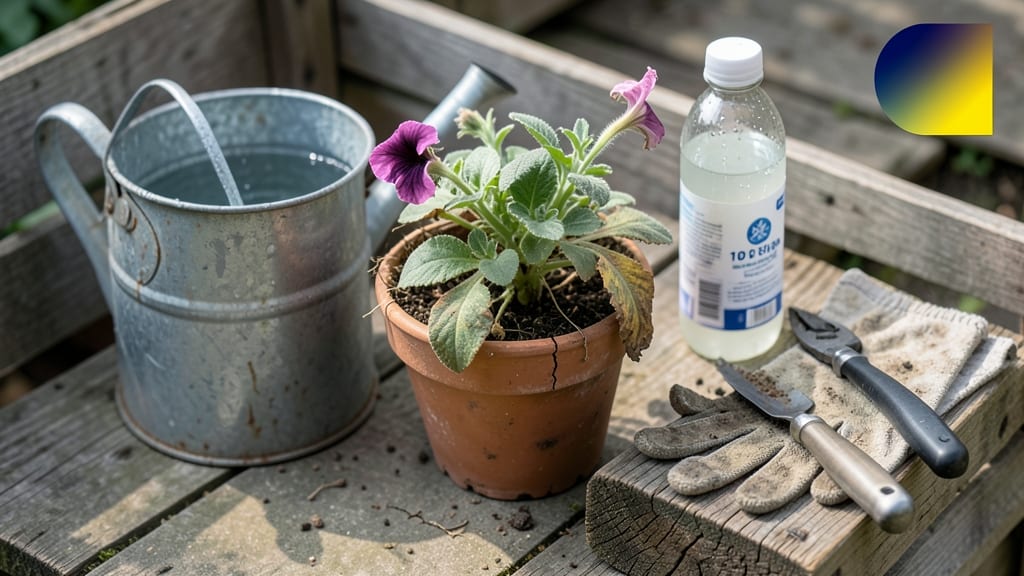
How to bring petunias back to life—your drooping plants aren’t dead, just waiting for a little TLC. 🌿 I’ve nursed back more than my share of sad-looking petunias, and the fix is simpler than you think. Overwatering, pests, or just wrong light can turn vibrant blooms into limp shadows, but with three targeted steps, they’ll bounce back faster than you’d expect.
Start by checking the roots—soggy soil or dry, crusty dirt tells the whole story. Snip off any blackened stems or chewed leaves (aphids love them), then give the plant fresh air by spacing it out.
Most petunias recover within 7-10 days of proper care, and the first new buds appear even sooner.
You’ll end up with petunias so lush they’ll make your neighbors jealous. The secret is consistency: water when the top inch of soil feels dry, fertilize lightly every two weeks, and keep them in morning sun with afternoon shade. Once they’re back, they’ll bloom nonstop until frost.
This works for container petunias, hanging baskets, or in-ground plants—just adjust watering based on pot size. Here’s how to diagnose the exact problem and fix it fast.
📚 In This Guide
- What you need
- Instructions
- Tips and common mistakes
- Wrapping up and next steps
What you need
- ● Pruning shears or clean scissors – Sharp and sterilized to avoid spreading disease.
- ● Well-draining potting mix – 2-3 gallons (or enough to refresh the current pot). Look for a mix labeled for annuals or flowering plants.
- ● Balanced, water-soluble fertilizer – 10-10-10 or 20-20-20 NPK ratio (follow package instructions for dilution).
- ● Watering can or hose with a gentle spray nozzle – Avoid overwatering!
- ○ Gloves (optional but recommended) – Protects your hands from soil and thorns.
- ● Spray bottle with water – For misting wilting leaves.
- ● Pest control spray (if needed) – Neem oil or insecticidal soap to treat aphids or other pests.
- ● Epsom salt – 1 tablespoon per gallon of water (boosts magnesium for healthier blooms).
- ● Mulch (e.g., straw or pine bark) – Helps retain moisture and regulate soil temperature.
- ● Grow lights or sunny windowsill – If your petunias are indoors and need extra light.
- ● pH test kit – Ensures soil pH is between 6.0 and 7.0 (ideal for petunias).
Step-by-Step instructions for revitalizing petunias
Here's the simple method I've used to nurse struggling petunias back to their vibrant best—no fancy tools or secret tricks.
🌿 Step 1: Assess and Trim the Damage
Start by examining each plant closely. Look for yellowed leaves, brown stems, or wilted flowers—these are your clues. Use clean, sharp pruning shears to remove any dead or diseased foliage right at the base. I always cut back to healthy green growth, even if it means sacrificing half the plant. This might seem drastic, but it redirects the plant's energy to new, vigorous growth.
Check the roots if possible—gently lift the plant to see if they're rotted or mushy. If roots look healthy (firm and white), your petunia can recover. If they're slimy or black, you'll need to trim those back too. Don't skip this step—it's the foundation for everything else.
💧 Step 2: Refresh the Soil and Water Routine
Petunias often decline from either too much water or poor drainage. Dig around the base of the plant to check the soil—if it feels compacted or waterlogged, it's time for a refresh. Remove the top 2-3 inches of soil and replace it with fresh, well-draining potting mix. I like to mix in a handful of perlite to keep things airy.
Water deeply but infrequently—petunias hate soggy roots. After refreshing the soil, water until it drains out the bottom of the pot or container. Wait until the top inch of soil feels dry before watering again. I set a reminder on my phone for every 3-4 days to avoid overwatering, which is the #1 killer of petunias.
☀️ Step 3: Boost Light and Fertilize Gently
Petunias need 6+ hours of direct sunlight daily to thrive. If yours is in a shady spot, move it to a sunnier location immediately. You'll see a difference within a week—the leaves will perk up and new buds will form. If you can't move the plant, supplement with a grow light for 8-10 hours a day.
Feed your petunias with a balanced liquid fertilizer (10-10-10 works well) diluted to half-strength. Apply it every 2 weeks during the growing season. I always fertilize in the morning so the plant has time to absorb nutrients before the heat of the day. Avoid over-fertilizing—this can burn roots and set your plant back further.
⏰ Step 4: Monitor and Encourage New Growth
Within 7-10 days, you should see new leaves emerging from the base of the plant—that's your sign it's working. Keep an eye out for pale green or yellow leaves, which mean it's time to adjust your care. If the soil dries out too quickly, mulch around the base with 1 inch of organic mulch to retain moisture.
Pinch back any leggy stems to encourage bushier growth. This might seem counterintuitive, but it forces the plant to focus on thickening up rather than stretching. I also remove spent blooms regularly to keep the plant flowering instead of putting energy into seed production. With consistent care, your petunias will be blooming beautifully in 3-4 weeks.
Tips & tricks for reviving wilted petunias
A few simple tricks can make all the difference when your petunias need a second chance.
Pruning Precision: When trimming damaged foliage in Step 1, cut just above a leaf node or healthy growth point—this is where new shoots will emerge. I always use sterilized shears to prevent introducing bacteria. If you're nervous about cutting too much, remember: petunias bounce back surprisingly well when you give them a clean start. The key is to remove only what's clearly dead or diseased, not healthy growth.
Soil Refresh Strategy: In Step 2, don't just replace the top 2-3 inches of soil—loosen the remaining soil with your fingers to improve aeration. I like to add a handful of perlite or coarse sand to the fresh mix to prevent compaction. This creates better root zones for your petunias to recover. For container plants, consider adding a layer of small pebbles at the bottom for even better drainage.
Lighting Insight: The 6+ hours of sunlight requirement in Step 3 is non-negotiable for petunias, but here's a pro tip: if you can't move your plant, place it near a south-facing window during the brightest hours (10 AM-2 PM). For indoor grow lights, position them just 6-12 inches above the plant—closer than you might think! The 8-10 hours of light should be bright enough to cast a shadow when you hold your hand underneath.
Fertilizer Timing: When applying that half-strength 10-10-10 fertilizer every 2 weeks, always water the plant first. This prevents fertilizer burn on dry roots. I've found that applying fertilizer in the morning gives the plant's roots all day to absorb nutrients before evening. If you notice yellowing leaves after fertilizing, flush the soil with water immediately to prevent salt buildup.
Pro Tips for Bring Petunias Back To Life
- A few simple tricks can make all the difference when your petunias need a second chance.
- Pruning Precision: When trimming damaged foliage in Step 1, cut just above a leaf node or healthy growth point—this is where new shoots will emerge.
- Soil Refresh Strategy: In Step 2, don't just replace the top 2-3 inches of soil—loosen the remaining soil with your fingers to improve aeration.
Frequently asked questions
Got questions about reviving your petunias? You’re not alone! Here are some common concerns—and straightforward answers—to help you bring your blooms back to their vibrant best.
Can I revive petunias that are completely wilted or brown?
Yes, but act fast! If the stems are still firm (not mushy), trim the dead growth, check for root rot, and give them fresh water. If the roots are black or smelly, they may be beyond saving—but try propagating healthy cuttings instead. Pro tip: Soak the roots in water for 10 minutes to rehydrate before replanting.
How long does it take for petunias to show signs of revival?
With proper care, you’ll see improvement in 3–7 days. New growth may take 2–4 weeks, depending on conditions like sunlight, water, and temperature. Patience is key—consistent care yields the best results! Watch for: Perked-up leaves, fewer wilting stems, and tiny buds forming.
What if my petunias keep dying no matter what I do?
Check these red flags: overwatering (yellow leaves), aphids (sticky residue), or poor drainage (root rot). If pests are the issue, use neem oil or insecticidal soap. For drainage, amend soil with perlite or repot in well-draining containers. Last resort: Start fresh with cuttings or new plants!
Can I save petunias from a grocery store or garden center?
Many store-bought petunias are root-bound or stressed. Repot them in fresh, well-draining soil, trim wilted blooms, and place them in bright (but indirect) light. Avoid fertilizing for the first 1–2 weeks—let them adjust first. Bonus: Deadhead spent flowers to encourage new growth!
Will petunias come back after a hard freeze?
Annual petunias won’t survive frost, but if you’re growing perennial varieties (like Petunia axillaris), protect them with mulch or a cloche. Trim back dead foliage in spring—new shoots should emerge in 2–3 weeks with warmth. Prevent future damage: Move potted petunias indoors before frost.
Wrapping up and next steps
Bringing your petunias back to life is totally doable with the right care and a little patience! 🌸 By addressing aphid infestations, watering wisely, and pruning properly, you’ll help them bounce back stronger than ever. Remember, even the most wilted petunias can recover with love and attention.
Now that you’re armed with these tips, take action today—check your plants, trim the dead growth, and give them the fresh water they crave. Your garden (and your petunias!) will thank you for it. Happy gardening! 🌱