
Aphids
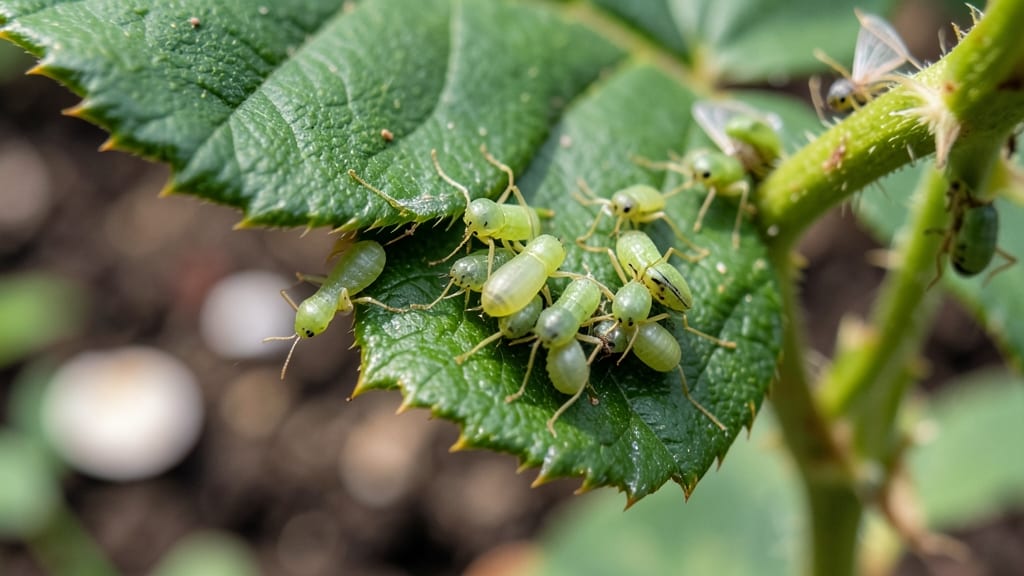
How to identify aphids on plants—those tiny green blobs—can save your garden before they turn your lush basil into a sticky, curled mess in just days. These pests cluster on new growth, leaves, and stems, sucking sap that weakens your plants before you even notice.
Aphids are usually 1/8-inch long, pear-shaped, and come in green, black, or white, though green is the most common. Look for sticky residue (honeydew) on leaves or a trail of ants—aphids love that sweet stuff too.
A magnifying glass helps spot their fuzzy bodies or wings (if they’re alarmed and flying away).
Don’t confuse them with mealybugs or scale insects—aphids move when disturbed, while those pests stay put. Early detection means fewer plants struggling, and the fix is easier when you catch them before they spread. Grab a flashlight and inspect the undersides of leaves—aphids love hiding there.
Once you know what to look for, you’ll spot them before they become a full-blown problem. The sooner you act, the sooner your plants bounce back—no more sticky leaves or wilted stems. Let’s get you identifying them like a pro.
Root Causes Of Aphid Infestations
Aphids may seem like tiny, harmless pests, but their rapid reproduction and plant-sucking habits make them a major threat to gardens and crops. Understanding why these insects target your plants is the first step in preventing them.
Below, we break down the key factors that turn your lush greenery into an aphid buffet.
🌱 Weakened Plant Immunity
Aphids are attracted to plants that are already stressed or struggling. When plants are nutrient-deficient, overwatered, or underwatered, their natural defenses weaken, making them easier targets. Here’s how it happens:
- Nutrient Deficiency: Plants low in nitrogen (a key building block for leaves) or phosphorus (critical for root health) produce softer, more tender foliage—aphids’ favorite snack. Think of it like a human with a weakened immune system: aphids are the opportunistic invaders.
- Water Stress: Both overwatering (which causes root rot and fungal growth) and drought (which dehydrates leaves) signal to aphids that the plant is vulnerable. Overwatered plants also create a sticky, sugary environment (from honeydew) that aphids thrive in.
- Pests or Diseases: If your plant is already battling spider mites, whiteflies, or fungal infections, aphids will pounce. These secondary pests create wounds or stress, releasing chemical signals (called volatiles) that aphids detect from miles away.
Actionable Fix: Boost plant health with balanced fertilizer (look for a 10-10-10 NPK ratio), ensure proper drainage, and quarantine new plants to avoid introducing diseases.
🌿 New Growth & Sweet Sap
Aphids have a sweet tooth—literally. They’re drawn to new, tender growth because it’s packed with sugary sap, which is easier to pierce and packed with the nutrients they crave. Here’s the science:
- Phloem Sap Composition: Young leaves and stems contain higher concentrations of sucrose and amino acids, which aphids detect using their long, needle-like mouthparts (stylets). It’s like a plant’s version of a gourmet meal.
- Rapid Growth Signals: Plants undergoing active growth (like seedlings or newly pruned branches) emit volatile organic compounds (VOCs) that aphids use as a dinner bell. These chemicals are invisible to us but scream “eat me!” to aphids.
- Honeydew Feedback Loop: Once aphids start feeding, they excrete honeydew (a sticky sugar waste product), which attracts more aphids and sooty mold—a fungal hitchhiker that further weakens the plant.
Actionable Fix: Prune only when necessary and avoid over-fertilizing with nitrogen, which promotes excessive soft growth. If you must prune, do it in the early morning so wounds dry quickly, reducing aphid attraction.
🐝 Natural Attractants & Companion Plants
Aphids aren’t the only ones lured by your garden—beneficial insects (like ladybugs and lacewings) and other pests (like whiteflies) can indirectly invite them. Here’s how:
- Honeydew from Other Pests: If your plants are already hosting mealybugs, scale insects, or whiteflies, their honeydew creates a sticky, sugary coating that aphids love. It’s like a fast-food joint for them.
- Companion Plant Confusion: Some plants (like dill, fennel, and cosmos) attract aphids away from your vegetables, but others (like nasturtiums) can repel them. Mismanaged companion planting can backfire if aphids find your prized tomatoes or roses first.
- Ant Farms Underground: Ants farm aphids by protecting them in exchange for honeydew. If you see ants tending to aphids on your plants, they’re actively recruiting more. It’s a symbiotic relationship—ants get food, aphids get a safe haven.
Actionable Fix: Introduce aphid-repelling plants like garlic, chives, or marigolds near susceptible crops. If ants are present, use diatomaceous earth around the base of plants to disrupt their trails (but avoid harming bees!).
🌍 Climate & Seasonal Triggers
Aphids aren’t picky—they’ll infest your garden year-round if conditions are right. Climate and seasonal shifts play a huge role:
| Season | Why Aphids Strike | Peak Risk Period |
|---|---|---|
| Spring | Warmth and new growth trigger aphid eggs to hatch. Overwintering adults wake up hungry. | March–May (varies by region) |
| Summer | High humidity creates ideal breeding conditions. Plants under heat stress produce more sugary sap. | June–August |
| Fall | Cooler temps slow plant growth, but aphids reproduce faster to lay eggs before winter. | September–November |
| Winter | Overwintering eggs survive on dormant plants or in garden debris. | December–February (but still a risk in mild climates) |
Actionable Fix: Monitor plants weekly during peak seasons, and remove garden debris in fall to eliminate hiding spots for overwintering eggs. Use row covers in early spring to block migrating aphids.
💡 Pro Tip: Aphids also target stressed plants after transplantation or chemical damage (like herbicide drift). Always acclimate new plants gradually to avoid shocking their roots.
Kick Aphids to the Curb
Got those sticky, sap-sucking aphids wreaking havoc on your plants? Don’t panic—there’s a way to reclaim your garden! Below, we’ve mapped out practical, step-by-step fixes based on the root cause of your aphid problem, plus prevention tips to keep them from crashing the party again.
Let’s get your plants back to thriving!
If aphids are covering stems, leaves, or flowers like a green tide, act now before they spread to other plants.
🍳 Step 1: Isolate the Problem
- Move infested plants at least 10 feet away from healthy ones to stop cross-contamination.
- Check nearby plants—aphids multiply fast, and they’ll hop ship if given the chance.
👨🍳 Step 2: Blast Them Off
- Water blast method: Use a strong stream of water (hose on medium-high pressure) to knock them off leaves. Do this early in the morning so plants dry quickly (prevents fungal issues).
- Soapy water spray: Mix 1 tsp mild dish soap (like Dawn) + 1 quart water in a spray bottle. Drench both sides of leaves—soap disrupts their waxy coating. Test on a small leaf first to avoid burning tender plants.
- Neem oil solution (for stubborn clusters): Mix 1 tsp neem oil + ½ tsp soap + 1 quart water. Spray evenly, focusing on undersides of leaves where aphids hide. Reapply every 5–7 days until gone.
🔪 Step 3: Manual Removal (For Small Gardens)
- Rubber gloves + fingers: Squish clusters between your fingers (gross but effective). Drop them into soapy water to kill them instantly.
- Toothbrush attack: Dip a toothbrush in soapy water and scrub aphids off stems and buds—great for roses and succulents.
⏰ Step 4: Repeat & Monitor
- Check plants daily for 2 weeks. Aphids lay eggs, so one treatment isn’t enough.
- Ladybugs are your allies—release them (buy online) or plant dill, fennel, or marigolds to attract them naturally.
Once you’ve evicted the pests, lock the doors with these long-term strategies:
💡 Choose Resistant Plants
- Aphids love soft, tender plants. Swap susceptible favorites (like roses, beans, or squash) for aphid-resistant varieties:
- Zinnias (some varieties repel aphids)
- Snapdragons (less appealing to them)
- Garlic & onions (plant nearby—their scent deters aphids)
🌡️ Maintain Plant Health
- Weak plants = aphid buffet. Keep your garden strong with:
- Balanced fertilizer (too much nitrogen = soft, aphid-loving growth).
- Proper watering (avoid overwatering—aphids thrive in damp, crowded conditions).
- Prune regularly to improve airflow (aphids hide in tight, shaded spots).
🎯 Natural Deterrents
- Companion planting: Grow chives, mint, or basil near vulnerable plants—their strong scents confuse aphids.
- Diatomaceous earth (DE): Sprinkle food-grade DE around the base of plants. It’s non-toxic but deadly to aphids (dries them out). Reapply after rain.
- Reflective mulch: Use silver or aluminum mulch—aphids hate shiny surfaces! It confuses them and reduces egg-laying.
✨ Early Warning System
- Inspect new plants before bringing them home (especially from nurseries).
- Sticky traps: Place yellow sticky cards near plants to catch winged aphids before they land.
- Beneficial insects: Encourage lacewings, parasitic wasps, and hoverflies—they eat aphids for breakfast. Plant alyssum or dandelions to attract them.
Pro Tip: If aphids keep coming back, they might be protected by ants (who "farm" them for honeydew). Break the ant-aphid relationship by:
- Spraying ants with soapy water (they won’t bother plants anymore).
- Using ant bait stations (like Terro) far from your garden to lure them away.
Frequently asked questions
What do aphids look like up close, and how big are they?
Aphids are tiny, usually just 1/16 to 1/8 inch long, and come in colors like green, black, brown, or white. They have a pear-shaped body with long antennae and legs, and some species have a fuzzy or waxy coating. Under a magnifying glass, you’ll see their tube-like mouthparts inserted into plant tissue while feeding.
Why do aphids always hide on the undersides of leaves?
Aphids prefer the undersides of leaves because it’s cooler, more humid, and provides better protection from predators like ladybugs. The leaf surface also offers a smoother feeding surface for their delicate mouthparts. Plus, they’re less likely to be disturbed by wind or rain when tucked away there.
How can I tell if those tiny bugs are aphids or something else?
Check these key differences: Aphids move when disturbed, have pear-shaped bodies, and often leave honeydew residue. Mealybugs look like cottony white clumps and don’t move much, while scale insects appear as brown bumps stuck to leaves. Spider mites are even tinier and leave fine webbing.
Can aphids fly, and how do they spread so quickly?
Most aphids can’t fly far, but some species have wings that develop when conditions are crowded or dry. They spread through wind, water, or hitchhiking on plants, tools, or even your clothes. A single pregnant female can produce 50-100 offspring in just a few weeks, which is why infestations explode overnight.
What’s the fastest way to check if my plant has aphids?
Give your plant a quick shake over a white surface (like a sheet of paper). If tiny green or black specks fall out, you’ve got aphids. For a more thorough check, inspect the undersides of 3-5 leaves with a magnifying glass—aphids love hiding there. Do this in the morning when they’re most active.