
Planting
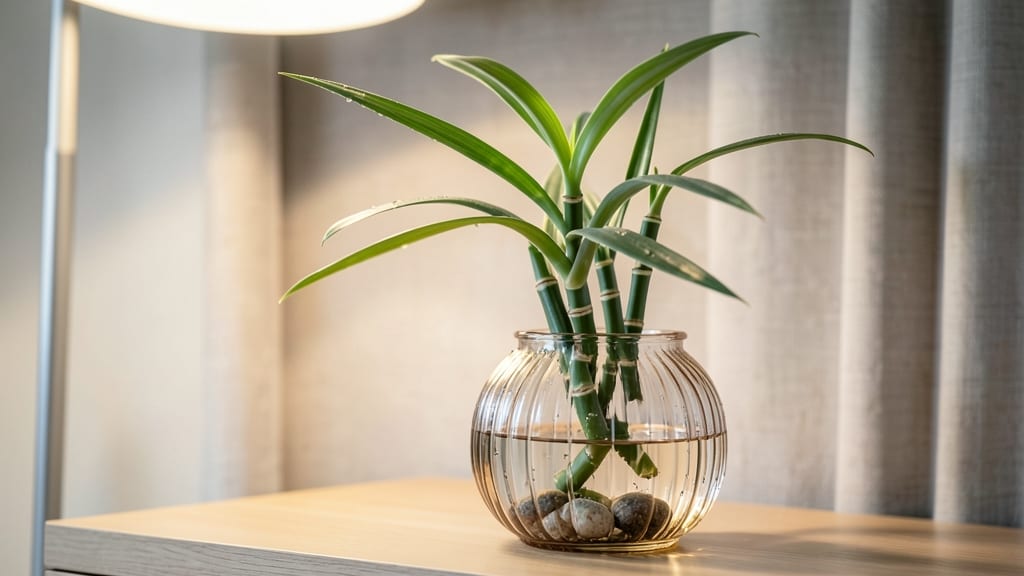
How to care for a cane plant brings that tropical elegance to any space—indoors or out—with almost no effort once you know the secrets. 🌿 I’ve kept mine thriving for years by focusing on just three things: light, water, and occasional pruning, and I’ll show you exactly how it’s done without the guesswork. The biggest myth? These plants need constant attention. In reality, they’re drought-tolerant once established and happy with indirect light—perfect for busy gardeners. Whether it’s bamboo, rattan, or ornamental canes, the care principles stay the same: well-draining soil, occasional trimming, and protection from harsh winds (especially outdoors). By summer’s end, you’ll have lush, arching canes that add height and texture to your garden or home. The key is consistency—not perfection—and I’ll walk you through the exact routine that keeps mine looking fresh all year. Works for containers, borders, or as standalone statement plants. Let’s get those canes growing strong!
📚 In This Guide
- What you need
- Instructions
- Tips and common mistakes
- Wrapping up and next steps
What you need
- ● Cane plant: 1 healthy specimen (choose from Dracaena sanderiana "Lucky Bamboo," Dracaena marginata, or Calathea varieties).
- ● Well-draining potting mix: 1 bag (look for a blend labeled for tropical plants or houseplants—avoid heavy garden soil).
- ● Pot: 1 container with drainage holes (size depends on plant: small for starter plants, medium for mature canes).
- ● Watering can or spray bottle: 1 (for gentle hydration—no soggy roots!).
- ● Fertilizer: 1 bottle of balanced liquid fertilizer (e.g., 10-10-10 or 20-20-20, diluted to half-strength).
- ● Pruning shears: 1 pair (sterilized with rubbing alcohol to prevent disease).
- ○ Humidity tray or pebble tray: 1 (optional but helpful for dry climates).
- ● Grow lights: 1-2 LED bulbs (for low-light areas—full-spectrum is ideal).
- ● Plant food: 1 packet of organic compost or orchid bark (for repotting).
- ● Decorative stones or moss: 1 small bag (for aesthetics and moisture retention).
- ● Support stakes or trellis: 1 (if your cane plant needs climbing assistance).
Step-by-step instructions for year-round cane plant care
Here's how I keep my cane plants lush and thriving with minimal daily effort—no green thumb required.
☀️ Step 1: Position for Optimal Light Exposure
Cane plants—like the elegant Dracaena marginata—thrive in bright, indirect light, making them perfect for east- or north-facing windows. If your space is dim, supplement with a grow light positioned 12-18 inches away for 12-14 hours daily. You'll notice leaves darkening or stretching toward the light? That's a sign to adjust placement.
Direct sun scalds the leaves, so avoid south-facing windows unless filtered through sheer curtains. Rotate the pot quarter-turn weekly to ensure even growth. Uneven light causes lopsided canes, and no one wants a wonky plant centerpiece.
💧 Step 2: Master the Watering Routine
Let the top 2 inches of soil dry out completely between waterings—stick your finger in to check. Overwatering is the #1 killer of cane plants, leading to root rot and yellowing leaves. When in doubt, underwater slightly; these plants store moisture in their stems and bounce back faster from drought.
Use room-temperature water to avoid shocking the roots, and water until it drains freely from the bottom. Empty the saucer afterward—soggy roots are a fast track to fungal issues. In winter, when humidity drops, you'll water 30-50% less than in summer.
🪴 Step 3: Maintain Humidity and Clean Leaves
Cane plants love humidity—aim for 40-60% using a pebble tray with water or a humidifier near the plant. Mist the leaves weekly (daily in dry climates) to mimic their tropical origins. Dusty leaves block light absorption, so wipe them down monthly with a damp microfiber cloth. You'll see a noticeable difference in vibrancy within days.
Group plants together to create a microclimate that retains moisture. Avoid cold drafts from windows or vents—cane plants wilt dramatically when shocked by sudden temperature drops. Keep them in a stable 65-75°F range year-round.
✂️ Step 4: Prune for Shape and Health
Trim leggy stems back to just above a leaf node to encourage bushier growth. Use sterilized pruners to avoid introducing pathogens. Dead or yellowing leaves should be removed immediately—don’t wait for them to spread. Prune in early spring for the most dramatic regrowth.
If your cane plant outgrows its space, propagate the cuttings! Dip the stem in rooting hormone, plant in moist perlite, and cover with a plastic bag to retain humidity. Roots form in 4-6 weeks, and you’ll have a ready-to-pot backup plant.
🌿 Step 5: Fertilize Seasonally for Strong Growth
Feed every 4-6 weeks in spring and summer with a balanced liquid fertilizer (10-10-10 or 20-20-20). Dilute to half-strength to avoid burning roots. Skip fertilizing in fall and winter—your plant is dormant, and excess nutrients cause salt buildup in the soil.
Flush the soil quarterly with water to remove accumulated salts. You’ll know it’s time when white crust forms on the soil surface. Repot every 2-3 years in fresh, well-draining mix to refresh nutrients and prevent root-bound stress.
Tips & tricks for perfect cane plant care
Here's what nobody tells you about keeping cane plants thriving with almost no effort—these are the little details that make all the difference.
Light Exposure Insight: The 12-14 hours of daily grow light exposure is non-negotiable for low-light conditions, but don't assume all grow lights are equal. LED grow lights with a full spectrum (red and blue wavelengths) are far more effective than basic white bulbs. I've seen plants in dim offices revive completely when switched to proper LED lighting—it's like night and day for their growth rate.
Watering Technique: That "top 2 inches dry" rule is perfect, but here's the trick: use a moisture meter for the first few waterings to understand your specific soil's drying pattern. Different mixes hold moisture differently, and once you know your soil's rhythm, you'll water with confidence. I keep mine on the drier side rather than risking root rot—these plants are surprisingly drought-tolerant.
Humidity Hack: The 40-60% humidity range is ideal, but achieving it doesn't require fancy equipment. Place your cane plant on a tray filled with pebbles and water—just make sure the pot isn't sitting directly in water. This creates natural humidity without the need for a humidifier. Grouping plants together also works wonders for creating that tropical microclimate they love.
Pruning Pro Tip: When you're trimming those leggy stems back to just above a leaf node in early spring, save those cuttings! They root surprisingly well in water alone—no need for rooting hormone if you're in a hurry. Just place them in a jar with a few inches of water and watch roots develop in about 3-4 weeks. It's a great way to propagate new plants without any extra cost.
Pro Tips for Care For A Cane Plant
- Here's what nobody tells you about keeping cane plants thriving with almost no effort—these are the little details that make all the difference.
- Light Exposure Insight: The 12-14 hours of daily grow light exposure is non-negotiable for low-light conditions, but don't assume all grow lights are equal.
- Watering Technique: That "top 2 inches dry" rule is perfect, but here's the trick: use a moisture meter for the first few waterings to understand your specific soil's drying pattern.
Frequently asked questions
Got questions about keeping your cane plant (like Dracaena or Calathea) happy? You’re not alone! Here are answers to the most common curiosities—from pruning to pests and everything in between.
How often should I water my cane plant?
Water your cane plant when the top 1-2 inches of soil feel dry. Overwatering is the #1 killer—these plants prefer consistent moisture but hate soggy roots. Reduce watering in winter when growth slows. Pro tip: Use a moisture meter or stick your finger in the soil to check!
Why are the tips of my cane plant turning brown?
Brown tips usually mean low humidity or fluoride in tap water. Try these fixes:
Prune anytime you notice yellow leaves, leggy growth, or dead stems. Use sterilized scissors to cut just above a leaf node (where new growth starts). Never prune more than 1/3 of the plant at once—this can stress it. Bonus: Propagate cuttings in water or soil! Common pests include spider mites, mealybugs, and scale. Catch them early with:
Most cane plants (like Dracaena) thrive in bright, indirect light but can survive in low light. Signs of stress? Slow growth or pale leaves. If your plant is struggling, move it closer to a window (but not in direct sun) or supplement with a grow light. Drooping usually means underwatering or root rot. Act fast:
If the problem persists, check for underwatering or direct sunlight.
When and how should I prune my cane plant?
What pests should I watch for, and how do I get rid of them?
Prevent pests by keeping your plant dust-free and avoiding overcrowding.
Can cane plants tolerate low light?
What’s the best way to revive a droopy cane plant?
With TLC, most cane plants bounce back in 1-2 weeks!
Wrapping up and next steps
Caring for a cane plant is simpler than you think—just a little light, water, and love go a long way! 🌿 With the right balance of bright, indirect sunlight, well-draining soil, and occasional pruning, your plant will thrive year-round with minimal fuss.
Whether you’re a beginner or a seasoned plant parent, these tips will keep your cane plant lush and happy.
Now that you’re armed with the know-how, why not share your newfound expertise? Snap a photo of your thriving cane plant and tag us—we’d love to see your progress! 📸✨