
Flowers
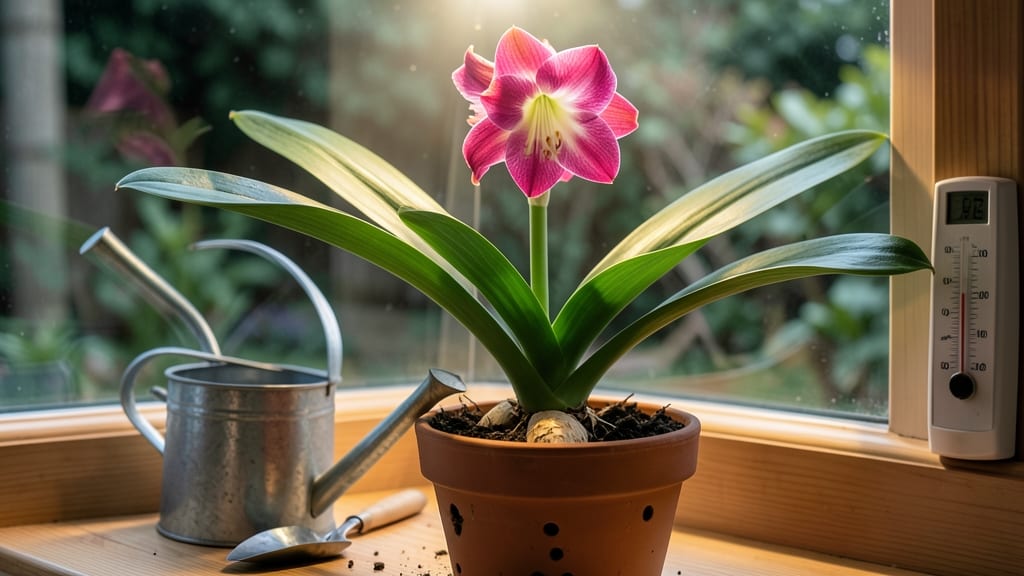
Caring for amaryllis flowers unlocks bold, trumpet-shaped blooms that last for weeks—with less fuss than you'd expect. ✨ I’ve grown them for years, and the secret isn’t complicated: it’s about matching their natural cycles to your home’s rhythm.
These plants thrive on neglect almost as much as they do on attention, making them perfect for busy gardeners who still want drama in their spaces.
The key is understanding their two distinct phases: the 6-8 week bloom when they demand bright light and careful watering, followed by a dormancy period where they need rest. Most people overwater during dormancy, which is how you end up with a sad, shriveled bulb.
But get this right, and you’ll see those stunning flowers return year after year—sometimes even twice in one season.
By summer’s end, you’ll have lush foliage and the promise of next winter’s blooms. The foliage stays green all year if you keep it happy, and the bulbs multiply over time, giving you free plants to share with friends. It’s that kind of rewarding.
Whether you’re a first-timer or a seasoned grower looking to troubleshoot, this care routine works for both indoor pots and outdoor plantings in warm climates. Let’s get those blooms thriving—without the guesswork.
📚 In This Guide
- What you need
- Instructions
- Tips and common mistakes
- Wrapping up and next steps
What you need
- ● 1-2 amaryllis bulbs – Choose healthy, firm bulbs (2-4 inches in diameter) with no soft spots or mold.
- ● 6-8 inch pot – A container with drainage holes (terracotta or ceramic works best).
- ● Well-draining potting mix – A blend of peat moss, perlite, and sand (or a cactus/succulent mix). Avoid heavy garden soil!
- ● Watering can with a narrow spout – For precise hydration without over-saturating the bulb.
- ● Balanced liquid fertilizer (10-10-10 or 20-20-20) – Diluted to half-strength for feeding.
- ● Bright, indirect light source – A sunny windowsill (east or west-facing) or a grow light.
- ● Misting bottle – To maintain humidity during blooming (especially in dry climates).
- ● Bulb fertilizer spikes – Slow-release nutrients for hassle-free feeding.
- ● Decorative pot or cachepot – For a stylish outer shell (ensure the inner pot still drains!).
- ● Pruning shears – To trim spent blooms and foliage neatly.
- ● Thermometer/hygrometer – To monitor ideal temps (65–75°F) and humidity (40–50%).
Step-by-Step instructions for growing amaryllis flowers
Here's the simple routine I follow to keep my amaryllis blooming reliably for years.
🌱 Step 1: Provide Bright, Indirect Light After Blooming
After your amaryllis finishes flowering, move it to a spot with bright, indirect light—think east-facing windows or a few feet from a south window. Direct afternoon sun can scorch the leaves, so I always position mine where they get morning light but afternoon shade. You'll know the light is right when the leaves stay deep green and grow steadily without yellowing.
If your home has low light, supplement with a grow light positioned 12-18 inches away for 12-14 hours daily. Amaryllis leaves need this light to build energy for next year's bloom. Watch for leaves that stretch toward the light—this means it's not getting enough intensity.
💧 Step 2: Water Only When Soil is Completely Dry
During active growth (spring through summer), water your amaryllis only when the top 2-3 inches of soil feel completely dry. Stick your finger in—if it comes out clean, it's time to water. Overwatering is the #1 killer of amaryllis, causing root rot that stunts blooms. I use room-temperature water and pour until it drains freely from the bottom.
Reduce watering in fall as the plant enters dormancy. When the leaves start yellowing (usually October), let the soil dry out completely between waterings. By December, you should only be watering every 3-4 weeks to maintain just enough moisture to keep the bulb alive.
⏰ Step 3: Trigger Blooming with Proper Dormancy
Here's where it gets fun—the dormancy period is what forces the bulb to produce a flower stalk. In late fall (after leaves yellow), stop watering entirely and move the pot to a cool, dark place (like a closet or garage) where temperatures stay 50-60°F. This mimics winter conditions and signals the bulb to bloom.
After 8-10 weeks of dormancy, bring the pot back to room temperature (around 70°F) and resume watering lightly. Within 4-6 weeks, you'll see a bare, leafless stalk emerge—this is your flower bud forming. Don't water heavily yet; wait until the stalk reaches 6 inches tall before increasing water to encourage full bloom.
☀️ Step 4: Support and Rotate for Strong Blooms
Once the flower stalk appears, place the pot in bright, indirect light again. Amaryllis blooms need this light to open fully. If your stalk leans toward the light, gently turn the pot daily to keep it upright. I use a small stake or push a chopstick into the soil beside the stalk for extra support if needed.
When buds form, avoid moving the plant. Amaryllis blooms are sensitive to disturbances and may drop buds if jostled. Keep the soil evenly moist but not soggy during this time. You'll know you're doing it right when the buds open into large, trumpet-shaped flowers that last 7-10 days each.
✂️ Step 5: Care for the Plant After Blooming
After the flowers fade, cut the stalk 1 inch above the bulb but leave the leaves intact. The leaves will continue photosynthesizing for 6-8 weeks, storing energy in the bulb for next year's bloom. Remove any dead or yellowing leaves only after they've turned completely brown.
Feed the plant with a balanced liquid fertilizer (like 10-10-10) diluted to half strength every 2 weeks during active growth. This gives the bulb the nutrients it needs to produce next year's spectacular display. I always fertilize in the morning so the plant can absorb nutrients before evening.
Tips & tricks for perfect amaryllis care
Here's what nobody tells you about keeping your amaryllis thriving through every season.
Lighting Strategy: In Step 1, when positioning your amaryllis for bright indirect light, rotate the pot quarter-turn weekly to prevent leaves from growing lopsided. I learned this the hard way after my plant developed a permanent lean toward the window! The 12-14 hours of grow light mentioned works best with a timer—set it to turn on at dawn and off at dusk to mimic natural cycles.
Watering Wisdom: The "top 2-3 inches dry" rule in Step 2 is crucial, but here's the secret: use a moisture meter for accuracy. I find my finger test can be misleading with some soil types. When you do water, pour slowly until it drains freely—this prevents soggy soil that leads to root rot. In fall, that 3-4 week watering interval might feel extreme, but trust me, it's what forces those stunning blooms.
Dormancy Details: For Step 3's dormancy period, I recommend marking your calendar 8 weeks after leaves yellow—this gives you a 2-week buffer before bringing it back to room temperature. The cool 50-60°F range is key: if your garage gets colder, add a small space heater set to maintain that range. And here's a pro move: wrap the pot in bubble wrap to protect the bulb from temperature fluctuations.
Bloom Support: When your stalk reaches 6 inches in Step 4, insert a chopstick or small stake gently beside the stalk—not through it—to provide support without damaging the delicate tissue. The daily rotation tip is golden, but I also recommend placing a small mirror nearby during bud formation. The reflected light helps open those trumpet-shaped blooms more fully and symmetrically.
Pro Tips for Care For Amaryllis Flower
- Here's what nobody tells you about keeping your amaryllis thriving through every season.
- Lighting Strategy: In Step 1, when positioning your amaryllis for bright indirect light, rotate the pot quarter-turn weekly to prevent leaves from growing lopsided.
- Watering Wisdom: The "top 2-3 inches dry" rule in Step 2 is crucial, but here's the secret: use a moisture meter for accuracy.
Frequently asked questions
How often should I water my amaryllis?
Water your amaryllis only when the top 1-2 inches of soil feel dry. Overwatering is the #1 killer—aim for every 7-10 days in active growth (spring/summer) and sparingly in winter (let soil dry completely). Use well-draining soil to prevent root rot. Pro tip: Stick your finger in the soil to check moisture!
Why isn’t my amaryllis blooming?
Blooms need a 10-12 week "rest period" after flowering. Move it to a cool (50–60°F), dark spot and water very lightly. No blooms? Check for:
- Light: Needs bright, indirect light (6+ hours/day). South/west windows are ideal.
- Temperature: Avoid drafts or temps below 50°F.
- Age: Young bulbs (under 2 years) may not bloom yet.
My amaryllis leaves are turning yellow—what’s wrong?
Yellow leaves usually mean overwatering or poor drainage. Try this:
- Check soil: If soggy, let it dry out and repot in fresh, gritty mix (add perlite or sand).
- Adjust watering: Reduce frequency and ensure pots have drainage holes.
- Fertilize: Yellowing can also signal nutrient deficiency. Use a balanced fertilizer (20-20-20) every 4–6 weeks in spring/summer.
Can I grow amaryllis outdoors?
Yes! But only in USDA zones 9–11 (or as an annual in cooler climates). Plant bulbs in well-draining soil after the last frost, in full sun to partial shade. In colder areas, dig up bulbs before frost and store them dry indoors. Pro tip: Mulch heavily in winter to protect roots!
How do I make my amaryllis rebloom?
Reblooming takes patience! After flowers fade:
- Trim stems: Cut spent flower stalks at the base (leave leaves intact).
- Rest period: Move to a cool, dark spot and water minimally for 8–10 weeks.
- Revive: Resume bright light and water when new growth appears (spring).
- Feed: Fertilize lightly in spring/summer to encourage blooms.
Wrapping up and next steps
Caring for your amaryllis is simpler than you think—just a little light, water, and patience go a long way! With these tips, you’ll enjoy stunning blooms year after year while keeping your plant thriving. Now that you’re armed with the know-how, why not share your success?
Snap a photo of your flourishing amaryllis and tag a friend who’d love to grow one too—because beauty like this deserves to spread! 🌸✨