
Orchid Care
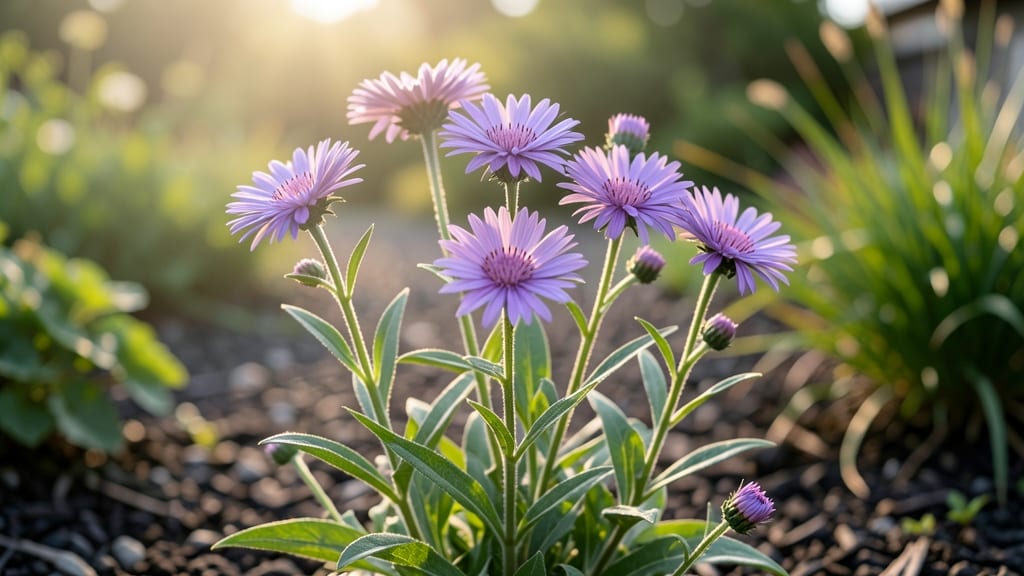
Caring for aster plants transforms your late-summer garden into a riot of purple, pink, and blue blooms. 🌸 I’ve grown them for years, and the secret to their rebounding after cutting lies in understanding their light and soil needs—something most gardeners overlook until the plants struggle.
Asters thrive in full sun (at least 6 hours daily) and well-draining soil, but they’re surprisingly forgiving. Overwatering is their biggest enemy—let the top inch of soil dry between waterings, and you’ll avoid root rot.
A light feeding with balanced fertilizer in spring keeps them lush, while deadheading spent blooms encourages more flowers. By late summer, you’ll have bold, healthy stems ready for cutting, and they’ll bounce back faster than most perennials.
Even in winter, their basal foliage stays green in mild climates, proving they’re tougher than they look. The key difference between annual and perennial asters? Annuals bloom all season but die back; perennials return year after year with minimal care. Here’s how to keep them thriving through every season.
📚 In This Guide
- What you need
- Instructions
- Tips and common mistakes
- Wrapping up and next steps
What you need
- ● Well-draining potting mix: 1 bag (10–15 gallons) of loamy soil with 50% perlite or sand for aeration.
- ● Containers: Pots (6–12 inches deep) with drainage holes, or garden beds in full sun.
- ● Fertilizer: Balanced 10-10-10 or 5-10-10 granular fertilizer (1 lb per 10 sq ft of garden).
- ● Watering can or hose: With a gentle spray nozzle for even moisture.
- ● Pruners: Sharp, clean bypass pruners for trimming dead blooms or stems.
- ● Mulch: 2–3 inches of organic mulch (e.g., shredded bark) to retain moisture.
- ● Slow-release osmocote fertilizer for convenience.
- ● Garden stakes or rings to support tall varieties.
- ● Soil pH test kit (ideal range: 6.0–7.5; asters tolerate slightly alkaline soil).
- ● Compost or worm castings for nutrient boosts.
- ● Fungicide (e.g., neem oil) to prevent powdery mildew in humid climates.
Step-by-Step instructions for growing and maintaining asters
Here's how to keep these resilient perennials thriving with minimal fuss—once established, they practically care for themselves.
🌱 Step 1: Plant in Full Sun with Well-Draining Soil
Asters demand 6-8 hours of direct sunlight daily—they won't bloom well in shade. I dig a hole twice as wide as the root ball but only as deep, then loosen the surrounding soil to encourage root spread. The key is amending clay or heavy soil with 2-3 inches of compost before planting; asters hate soggy roots and will sulk in waterlogged conditions.
Gently tease out any circling roots and place the plant so the top of the root ball sits 1 inch below soil level. This prevents stem rot while encouraging strong root growth. Backfill with native soil mixed with compost, then water deeply to settle everything. You'll know it's right when the soil surface looks firm but not compacted.
☀️ Step 2: Water Deeply but Infrequently After Establishment
Newly planted asters need 1 inch of water weekly for the first season, but once established, they're remarkably drought-tolerant. I water at the base in the morning, avoiding the foliage to prevent fungal diseases. The soil should feel dry 1-2 inches down before watering again—stick your finger in to check.
Overwatering is the biggest mistake here. Yellowing leaves or wilted stems usually mean you're keeping the soil too wet. Asters grow best with moderate moisture, not constant dampness. Once roots spread, they'll seek water deep in the soil profile, making them far more resilient than many perennials.
✂️ Step 3: Deadhead and Prune for Continuous Blooms
This is where asters shine—they rebound beautifully after cutting. Snip spent blooms back to the first set of healthy leaves just below the flower head. I use clean, sharp pruners to avoid damaging stems, and always cut at a 45-degree angle to prevent water from pooling on the cut surface.
In early spring, cut back the entire plant to 6 inches tall to encourage fresh growth. This might look drastic, but asters grow back quickly and often produce even more vigorous blooms. Just don't prune after mid-summer—new growth won't have time to harden off before frost.
🌿 Step 4: Divide and Fertilize Strategically
Every 3-4 years, dig up clumps and divide them in early spring. I slice through the center with a sharp spade, making sure each section has both roots and shoots. Replant the divisions immediately—they establish faster than seeds and bloom the same year.
Feed lightly in early spring with a balanced 10-10-10 fertilizer or compost. Too much nitrogen makes asters grow leaves instead of flowers. I skip fertilizer after mid-summer to let plants focus on blooming rather than foliage. Mulch with 2 inches of organic matter to retain moisture and suppress weeds—just keep it 3 inches away from stems to prevent rot.
⏰ Step 5: Prepare for Winter and Encourage Next Year's Blooms
Leave the foliage standing through winter—it protects the crown from temperature swings. In late winter, trim back any dead stems to 2-3 inches above ground level. This cleanup signals the plant to start fresh growth early.
Here's the thing—asters often bloom better in their second year. The first year is all about root establishment. By next spring, you'll see why gardeners love them: those classic daisy-like blooms appear in waves from late summer to frost, attracting pollinators like bees and butterflies. And if you deadhead regularly, you'll get nonstop color right up until winter.
Tips & tricks for perfect aster plant care
Between us, aster plants are the unsung heroes of the garden—tough, resilient, and endlessly rewarding once you get the basics right. Here's what nobody tells you about keeping them thriving.
Sunlight Strategy: The 6-8 hours of full sun requirement is non-negotiable for peak blooms, but here's the secret: morning sun paired with afternoon shade works better than harsh midday heat in hot climates. I've noticed my asters in southern exposure gardens actually perform better with that slight afternoon reprieve, especially during summer's peak. For container growers, rotate pots weekly to ensure even light exposure all around.
Root Zone Intelligence: When amending heavy clay with that 2-3 inches of compost in Step 1, don't just scratch it in—dig down another 4-6 inches and mix thoroughly. The deeper you go, the more you encourage those roots to establish properly. I've seen asters planted in amended surface soil struggle with water drainage even when the top layer looked perfect.
Watering Wisdom: That 20-30 minute soaker hose routine in Step 2 is brilliant, but here's the pro move: split it into two 10-15 minute sessions with a 30-minute break between. This prevents surface runoff while ensuring water penetrates deeply. And when checking soil moisture, stick your finger in at a 2-inch depth—surface dry doesn't mean root dry.
Pruning Precision: For the weekly deadheading in Step 3, I've found using small pruning shears instead of fingers makes all the difference. The clean cuts heal faster and look more professional. When cutting back after frost, leave those 3-4 inches a little taller if you're in a colder zone—the extra foliage provides better insulation for winter survival.
Pro Tips for Care For Aster
- Between us, aster plants are the unsung heroes of the garden—tough, resilient, and endlessly rewarding once you get the basics right.
- Sunlight Strategy: The 6-8 hours of full sun requirement is non-negotiable for peak blooms, but here's the secret: morning sun paired with afternoon shade works better than harsh midday heat in hot climates.
- Root Zone Intelligence: When amending heavy clay with that 2-3 inches of compost in Step 1, don't just scratch it in—dig down another 4-6 inches and mix thoroughly.
Frequently asked questions
Got questions about keeping your asters thriving?
Here are answers to the most common concerns—from deadheading to pests—so you can enjoy their vibrant blooms all season.
Do asters need full sun, or can they tolerate partial shade?
Asters love full sun (6+ hours daily) for the best blooms, but they’ll tolerate morning sun + afternoon shade in hot climates. In partial shade, expect fewer flowers but lush foliage. Pro tip: If grown in shade, fertilize lightly to compensate for reduced blooming.
How often should I deadhead aster flowers?
Deadhead spent blooms regularly (every 1–2 weeks) to encourage more flowers and prevent self-seeding. Snip just above a set of leaves or buds—this redirects energy to new growth. Bonus: Cut back faded stems by ⅓ in early fall to tidy up and prep for winter.
What pests or diseases commonly affect asters, and how do I treat them?
Asters are tough, but watch for aphids, powdery mildew, or Japanese beetles. Blast aphids off with water or use insecticidal soap. For mildew, improve airflow and spray with neem oil. Prevent beetles by handpicking them early (they chew leaves!) or using row covers.
Can I grow asters in containers, or are they only for gardens?
Yes! Choose compact varieties (like ‘Wood’s Purple’) for containers (12"+ pots). Use well-draining soil and a mix of perlite or sand to prevent root rot. Place in full sun and water when the top inch of soil is dry. Container tip: Fertilize monthly with balanced fertilizer for bigger blooms.
How long do asters take to bloom after planting?
From seed, asters may take 60–90 days to flower, depending on the variety and growing conditions. Transplanted plants (from nurseries) often bloom the first year, typically in late summer to fall. Patience pays off—once established, they’ll reward you with months of color!
Are asters cold-hardy, and how should I overwinter them?
Asters are perennial in USDA zones 3–8! Cut back foliage in late fall, leaving 2–3 inches of stems. Mulch with 2–3 inches of straw or leaves to protect roots. In colder zones, a light winter blanket of mulch can prevent heaving. Spring tip: Remove old mulch once new growth appears.
Wrapping up and next steps
Caring for aster plants is all about embracing their hardy nature and a little love for the sun! 🌞 With the right balance of light, water, and soil, these perennials will reward you with stunning blooms year after year.
Don’t forget—regular deadheading and proper winter prep will keep them thriving for seasons to come.
Now that you’re armed with expert tips, why not share your newfound knowledge? Try planting a few aster varieties in your garden or even gift them to fellow plant lovers. Happy gardening—your blooming masterpiece is just a season away! 🌸