
Planting
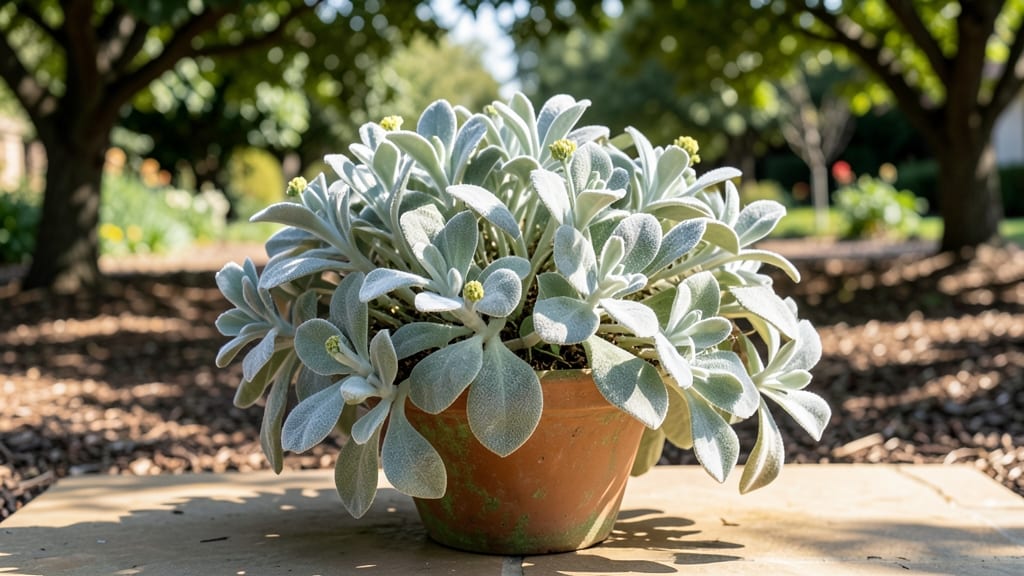
How to care for this dusty Miller plant is easier than you’d think—just look at those silvery, velvety leaves, impossible to resist. 🌿 The secret to keeping them lush isn’t complicated, but it is different from most plants. Too much water? Instant wilting. Too little light? Dull, sad foliage. I’ve revived more Dusty Millers than I’ve lost, and the fix is simpler than you’d think.
This drought-tolerant star thrives in bright, indirect light (think east or west windows) and well-draining soil—like a mix of potting soil and perlite. Water only when the top inch feels dry, then let excess drain away.
Overwatering is the #1 killer, but don’t stress: these plants bounce back faster than you’d expect. A light trim in early spring keeps them compact and bushy, preventing that leggy, sad look.
By summer, your Dusty Miller will be the showstopper of your garden—silvery foliage that contrasts perfectly with deep greens or purples. It’s also pest-resistant, so you won’t waste time battling aphids or mites.
The key? Less is more—water, fertilize (if at all), and prune lightly. That’s it. Even my black thumb can’t kill these.
Works as a container star, border plant, or even in hanging baskets—just avoid soggy soil. If leaves yellow or droop, it’s usually a watering cue. Give it a little TLC, and you’ll have silver foliage that lasts all season, no fuss required.
📚 In This Guide
- What you need
- Instructions
- Tips and common mistakes
- Wrapping up and next steps
What you need
- ● Pruning shears or sharp scissors – Sterilized, sharp blades to trim dead or wilted foliage cleanly.
- ● Well-draining potting mix – 1 part peat moss, 1 part perlite, and 1 part garden soil (or a cactus/succulent mix).
- ● Watering can with a narrow spout – Ensures targeted hydration without oversaturating roots.
- ● Spray bottle – For light misting (especially in dry climates).
- ● Balanced liquid fertilizer (5-5-5 or 10-10-10) – Diluted to half-strength for feeding.
- ○ Gloves (optional but recommended) – Protects hands from sap or soil-borne bacteria.
- ● Rooting hormone – Speeds up propagation if you’re dividing the plant.
- ● Grow lights (LED or fluorescent) – 12-16 hours/day for indoor Dusty Millers.
- ● Mulch (gravel or pebbles) – Helps retain moisture and deter weeds.
- ● pH test kit – Ensures soil stays in the neutral to slightly alkaline range (6.0–7.5).
Step-by-Step instructions for caring for Dusty Miller plant
Here's the straightforward approach I use to keep Dusty Miller thriving—even if it's already looking a little sad.
🌿 Step 1: Check Soil Moisture Before Watering
Dusty Miller is famously drought-tolerant, but that doesn't mean you should let it dry out completely. Stick your finger 1-2 inches deep into the soil—if it feels dry, it's time to water. If it's still slightly moist, wait another day or two. Overwatering is the #1 killer of Dusty Miller, causing those silvery leaves to wilt and turn yellow.
I like to water deeply but infrequently—about once a week in summer, less in winter. The key is letting the top 1-2 inches dry out between waterings. You'll know you've got it right when the soil feels like a wrung-out sponge: damp but not soggy.
☀️ Step 2: Position for Bright, Indirect Light
Dusty Miller loves light but hates scorching sun that can bleach its signature silvery foliage. Place it near a south- or west-facing window where it gets 4-6 hours of bright, indirect light daily. If you notice the leaves losing their silvery sheen or turning yellow, it's getting too much direct sun—move it back a few feet.
If your Dusty Miller starts looking leggy (stems stretching toward the light), it needs more brightness. Rotate the pot a quarter turn weekly so it grows evenly. Artificial grow lights work too—keep them 12-18 inches away for 12-14 hours daily if natural light is limited.
💧 Step 3: Revive Wilted Leaves with Proper Hydration
If your Dusty Miller's leaves are already wilting, don't panic—it's often just thirsty. Water slowly and deeply until you see moisture seeping from the drainage hole. Let the plant soak up water for 10-15 minutes, then empty the saucer to prevent root rot. Within 24-48 hours, you should see the leaves perk up again.
Here's the trick: water at the base rather than overhead. This prevents water from sitting on the fuzzy leaves, which can lead to fungal issues. If the wilt persists after 48 hours, check the roots—healthy roots should be white or light tan, not brown or mushy.
✂️ Step 4: Prune to Encourage Bushier Growth
Dusty Miller grows best when pruned regularly. Pinch back the tips of new growth when stems reach 4-6 inches to encourage a fuller, bushier plant. Use clean, sharp scissors and make cuts just above a leaf node. This also helps maintain that silvery, velvety texture that makes Dusty Miller so striking.
If your plant looks leggy or overgrown, give it a harder prune in early spring. Cut back one-third of the stems to the nearest healthy leaf node. Don't worry—Dusty Miller is tough and will bounce back quickly. You'll see fresh, new growth within 2-3 weeks, and the plant will look fuller than ever.
🪴 Step 5: Repot Only When Necessary
Dusty Miller doesn't like being disturbed, so repot only when roots are crowding the pot—usually every 2-3 years. Choose a container just 1-2 inches larger in diameter, as bigger pots hold too much moisture and can suffocate the roots. Fill the bottom 1 inch with fresh well-draining potting mix before adding your plant.
After repotting, water lightly and place the plant in bright, indirect light for a week to reduce stress. Avoid fertilizing immediately—wait 4-6 weeks to give the roots time to adjust. Dusty Miller prefers poor soil, so don't overdo it with nutrients. A light feeding in spring with a balanced, water-soluble fertilizer is plenty.
Tips & tricks for perfect Dusty Miller care
Here's what I've learned from years of keeping Dusty Miller thriving—even when it looks like it's had a rough week.
Soil Test Trick: In Step 1, when checking soil moisture, I like to use a wooden chopstick instead of my finger—it's cleaner and gives me a better feel for moisture levels. Press it in about 1-2 inches deep; if it comes out clean, your Dusty Miller needs watering. This method also prevents accidentally compacting the soil around the roots.
Light Rotation Secret: For Step 2, I've found that rotating the pot every 7-10 days—even if you're not noticing legginess—helps maintain that perfect symmetrical shape. The plants naturally grow toward the light, and this rotation prevents one side from stretching more than the other. Think of it like giving your Dusty Miller a mini vacation from its favorite sunspot.
Reviving Wilted Leaves: When dealing with wilting in Step 3, I've had the most success with the "two-soak method." After your initial 10-15 minute soak, let the plant drain completely, then give it another 5-minute soak 24 hours later. This mimics natural rainfall patterns and helps the roots recover more quickly. The leaves should start perking up within 12 hours of the first soak.
Pruning Precision: In Step 4, I always prune just above a leaf node—you'll notice these little bumps where leaves grow out. Cutting here encourages new growth right at that spot. For the harder spring prune, I like to do it on a cloudy day when the plant is slightly less stressed from sunlight. This gives it the best chance to bounce back quickly.
Pro Tips for Care For Dusty Miller Plant
- Here's what I've learned from years of keeping Dusty Miller thriving—even when it looks like it's had a rough week.
- Soil Test Trick: In Step 1, when checking soil moisture, I like to use a wooden chopstick instead of my finger—it's cleaner and gives me a better feel for moisture levels.
- Light Rotation Secret: For Step 2, I've found that rotating the pot every 7-10 days—even if you're not noticing legginess—helps maintain that perfect symmetrical shape.
Frequently asked questions
Got questions about keeping your Dusty Miller thriving? You’re not alone! Here are some of the most common concerns—and quick fixes to keep your plant looking fresh and fuzzy.
How often should I water my Dusty Miller?
Water your Dusty Miller only when the top inch of soil feels dry. Overwatering is the #1 killer—these drought-tolerant plants hate soggy roots. In summer, check soil moisture daily; in winter, reduce to every 2–3 weeks. Pro tip: Use a moisture meter or stick your finger in the soil to test!
Can Dusty Miller survive winter outdoors?
Dusty Miller is hardy but not frost-tolerant. In zones 7–10, it thrives year-round outdoors. Below zone 7? Bring it indoors before temps drop below 20°F (-6°C). If left outside, mulch heavily and protect with burlap. A sunny windowsill or greenhouse works great for overwintering!
Why are my Dusty Miller leaves turning yellow or brown?
Yellowing leaves usually mean overwatering or poor drainage, while brown edges signal underwatering or sunburn. Check soil moisture and adjust watering. If roots look mushy, repot in fresh, well-draining soil. Move it to morning sun or partial shade if leaves scorch in harsh afternoon rays.
How do I prune Dusty Miller to encourage bushier growth?
Prune in early spring or after flowering to shape the plant. Snip back leggy stems by ⅓ to encourage denser foliage. Use clean, sharp scissors to avoid tearing the fuzzy leaves. Deadhead spent blooms (if your variety flowers) to redirect energy to leaf growth.
What’s a good alternative if Dusty Miller doesn’t thrive in my climate?
Try Lamb’s Ear (Stachys byzantina) for similar silvery foliage and drought tolerance, or Silver Falls Dichondra for a trailing option. Both love sun and dry soil. For shade lovers, Heuchera ‘Palace Purple’ offers stunning silver-purple hues with minimal fuss!
Wrapping up and next steps
Caring for your Dusty Miller plant is all about balance—giving it the right light, water, and a little TLC to keep those silvery leaves looking their best. 🌿 With these simple steps, you’ll revive wilted foliage and enjoy a thriving plant that adds texture and charm to your garden or home.
Ready to see those leaves perk up? Start with one small adjustment today—whether it’s pruning, adjusting sunlight, or checking soil moisture—and watch your Dusty Miller flourish!