
Companion Plants
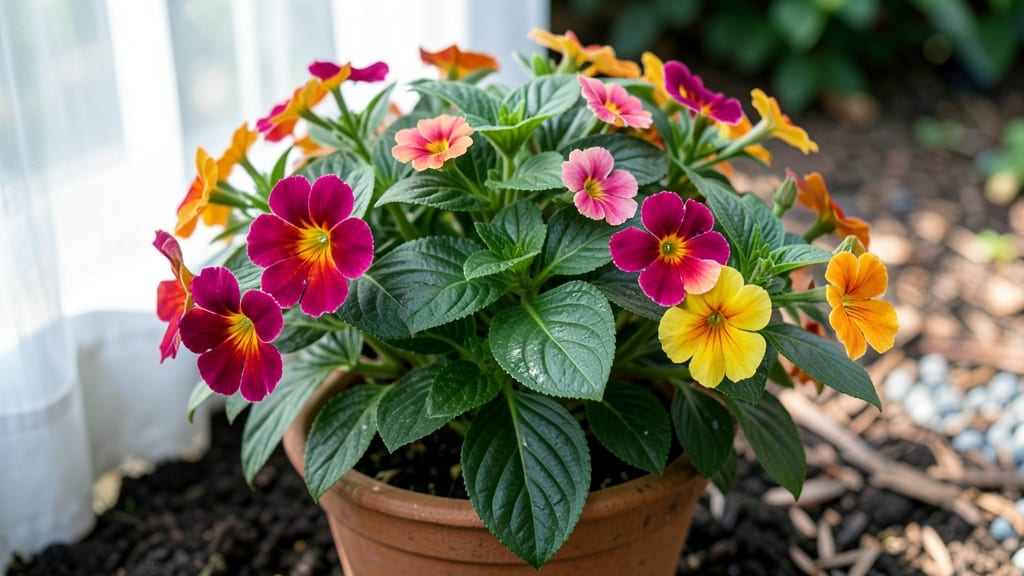
How to care for these New Guinea impatiens plants brings jungle vibrancy to shady spots. 🌿 These heat-loving beauties thrive where other impatiens fail, with bold foliage and flowers that last all season—if you give them the right conditions. I’ve grown them for years in my partial-shade garden, and once you understand their quirks, they become the easiest shade plants to maintain.
The secret starts with soil that drains well but stays moist—think rich, peat-based potting mix with a dash of perlite. They hate soggy roots but won’t survive dry spells either.
Feed them every 2-3 weeks with a balanced liquid fertilizer (10-10-10) during growing season, and they’ll reward you with football-sized blooms in colors from pink to purple to lime green.
Pruning isn’t just for shape—it keeps them blooming. Pinch back leggy stems in spring, and deadhead spent flowers regularly. In winter, bring them indoors near a bright window or reduce watering if keeping them outside in mild climates. The foliage alone is a conversation starter, but the flowers? Pure showstopper.
They’re perfect for containers, hanging baskets, or garden beds with 3-4 hours of morning sun. Just avoid afternoon heat waves—these tropical divas need afternoon shade to stay happy. Once you master their care, you’ll wonder why you ever grew regular impatiens.
📚 In This Guide
- What you need
- Instructions
- Tips and common mistakes
- Wrapping up and next steps
What you need
- ● New Guinea Impatiens: 1-6 plants (depending on desired garden size or container arrangement). Look for healthy seedlings with vibrant foliage and buds.
- ● Well-draining potting mix: 2-3 bags (10-15 quarts each) of a high-quality, peat-based or coco coir blend (e.g., Miracle-Gro Potting Mix or Black Gold Natural & Organic). Avoid garden soil—it’s too dense!
- ● Containers or garden bed: Containers: 1-3 hanging baskets (12-18 inches in diameter) or pots (5-7 inches deep) per plant. Ensure they have drainage holes!
- ● Garden beds: A partially shaded area with loose, fertile soil (amend with compost if needed).
- ● Slow-release fertilizer: 1-2 packets (e.g., Osmocote Smart-Release Plant Food or Jobe’s Bloom & Grow) to mix into the soil at planting.
- ● Watering can or hose with a gentle spray nozzle: For consistent moisture without over-saturating roots.
- ○ Mulch (optional but helpful): 1-2 bags of shredded bark or pine needles to retain moisture and regulate soil temperature.
- ● Pruning shears: A pair of clean, sharp shears (e.g., Fiskars Bypass Pruners) for trimming leggy stems or dead leaves.
- ● Gloves: A pair of gardening gloves to protect your hands from soil and thorns (some varieties have mild prickles!).
- ● Grow lights: LED full-spectrum lights (e.g., Samsung 45W LED) if growing indoors or in low-light conditions.
- ● Plant supports: Small stakes or cages for taller varieties to maintain shape.
- ● Soil moisture meter: To monitor hydration levels without overwatering.
- ● Fungicide (preventative): Copper-based spray (e.g., Bonide Copper Fungicide) for humid climates to ward off powdery mildew.
- ● Companion plants: Shade-tolerant pals like ferns, calibrachoa, or begonias to create a lush, low-light garden display!
Tips & tricks for perfect New Guinea impatiens care
These insider tricks will help you keep your vibrant New Guinea impatiens thriving all year long.
Soil Moisture Secret: The 1-inch dry soil test is your best friend, but there's more to it. I always check soil moisture in the morning when the plant has had time to use water overnight. For container plants, stick your finger in the soil—if it feels dry just below the surface, that's your cue. Pro tip: Use a moisture meter for accuracy, especially in larger pots where moisture levels can vary. Overwatering is the #1 killer, so when in doubt, wait another day.
Light Positioning Hack: In Step 2, when you notice your plant leaning toward the light, that's its natural phototropism at work. Instead of just moving the pot, rotate it a quarter turn weekly to ensure even growth. For indoor setups, place your grow light on a timer—12-14 hours daily is perfect, but if you forget, even 10 hours will work. Just avoid leaving it on 24/7, which can cause leaf burn. I've seen plants grow toward the light source so aggressively they topple over—rotate to prevent this.
Fertilizer Timing: The 2-4 week feeding schedule works wonders, but here's what nobody tells you: always fertilize in the morning. Plants absorb nutrients best when they're actively photosynthesizing. And when switching to the low-nitrogen fertilizer in late summer, I like to do a "flush" first—water thoroughly with plain water to clear out any excess salts from previous feedings. This prevents root burn and gives you a clean slate for the new fertilizer.
Pruning Precision: When pinching back growth at 6-8 inches in Step 4, look for the first set of true leaves (not the tiny seed leaves) to make your cut. This encourages branching at the right nodes. For deadheading, I use clean pruning shears dipped in rubbing alcohol between cuts to prevent spreading disease. And that one-third prune for leggy stems? It might seem drastic, but you'll see dramatic regrowth within 3-4 weeks—just be patient and keep the plant well-watered during recovery.
Pro Tips for Care For New Guinea Impatiens Plants
- These insider tricks will help you keep your vibrant New Guinea impatiens thriving all year long.
- Soil Moisture Secret: The 1-inch dry soil test is your best friend, but there's more to it.
- Light Positioning Hack: In Step 2, when you notice your plant leaning toward the light, that's its natural phototropism at work.
Frequently asked questions
Got questions about keeping your New Guinea Impatiens thriving? You’re not alone! Here are answers to some of the most common concerns—from watering woes to pest problems—so you can enjoy their vibrant blooms all season long.
How often should I water New Guinea Impatiens?
Water them when the top inch of soil feels dry—usually every 1–2 days in hot weather. These plants love moisture but hate soggy roots, so ensure pots have drainage holes. Pro tip: Mulch helps retain moisture and keeps roots cool!
Can New Guinea Impatiens survive winter outdoors?
Nope! They’re tender annuals and can’t handle frost. If you’re in a cold climate, treat them as summer plants or grow them in containers to bring indoors before the first frost. Alternative: Try Busy Lizzie (Impatiens walleriana) for hardier options.
What pests are most common, and how do I treat them?
Watch for aphids, spider mites, and whiteflies. For mild infestations, spray plants with water to dislodge pests. For tougher problems, use insecticidal soap or neem oil. Preventative tip: Keep plants healthy with balanced fertilizer—they’re less attractive to pests when thriving!
Why are my New Guinea Impatiens leaves turning yellow?
Yellow leaves often signal overwatering or poor drainage. Check for soggy roots and adjust your watering schedule. Other culprits: Nutrient deficiency (try a balanced fertilizer) or too much direct sun (they prefer partial shade).
Can I grow New Guinea Impatiens from seed?
Yes, but they’re easier to grow from cuttings or transplants. Seeds take longer to germinate (4–6 weeks) and may not retain the parent plant’s vibrant colors. Quick tip: Start seeds indoors 8–10 weeks before your last frost for the best results!
Wrapping up and next steps
Caring for New Guinea Impatiens is all about balancing their love for warmth, moisture, and shade—plus a dash of patience! With the right soil, consistent watering, and smart placement, these vibrant bloomers will reward you with nonstop color from spring through fall (and even winter in mild climates). 🌸
Now that you’re armed with the know-how, take the next step: grab your gardening gloves and give these beauties a home in your garden or containers. Watch them thrive—and enjoy the showstopping results! 🌿✨