
Propagation
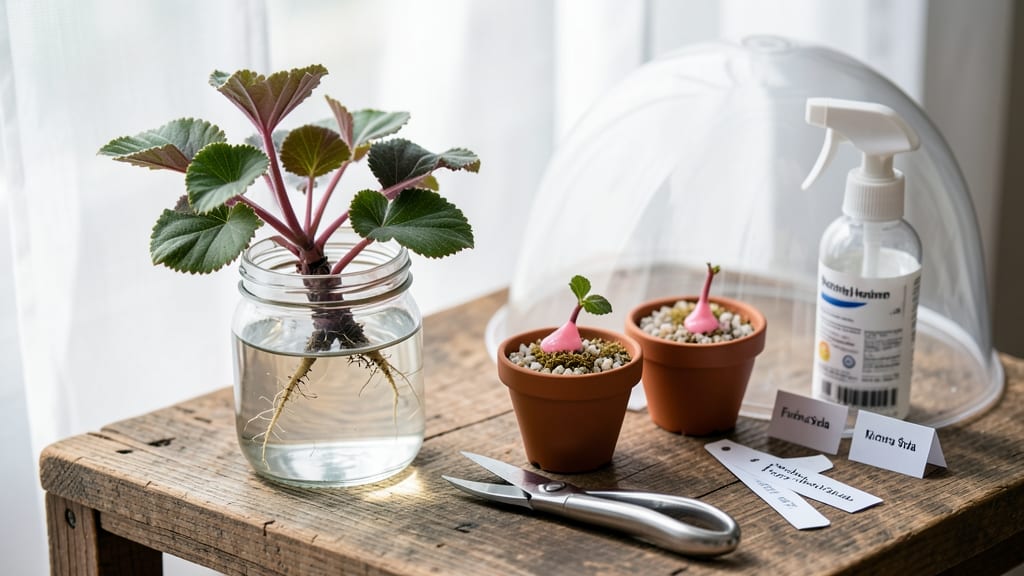
How to grow fuchsias from cuttings is easier than you think—just root them in water for 3 weeks to get a brand-new plant. 🌱 I’ve propagated dozens this way, and the secret isn’t complicated: it’s all about timing, clean cuts, and patience. This method lets you clone your favorite varieties without spending a dime on nursery plants, and the roots form fast enough to transplant before summer heat sets in.
The best time to take cuttings is late spring or early summer, when plants are actively growing. You’ll need sharp scissors, a clean jar of water, and a few healthy stems with leaves—but no fertilizer yet.
Place your cuttings in bright, indirect light, and watch those roots appear in about 21 days. The key? Keeping the water fresh and stems submerged just enough to encourage growth without rotting.
By the time those roots hit 1-2 inches, you’ll be ready to pot them up in well-draining soil. The payoff? Bushier plants with the exact same colors and blooms as your original, all while saving money and space.
Plus, you can share cuttings with friends—every gardener loves a free, thriving fuchsia.
Troubleshooting is easy: if cuttings rot, adjust the water level, and if growth stalls, check your light. This method works for indoor or outdoor fuchsias, so whether you’re prepping for summer or extending your season, you’ll have lush, ready-to-plant cuttings in no time.
📚 In This Guide
- What you need
- Instructions
- Tips and common mistakes
- Wrapping up and next steps
What you need
- ● Healthy fuchsia cuttings: 4–6 inches long, with at least 2–3 leaf nodes (avoid flowering stems).
- ● Sharp pruning shears or scissors: Sterilized to prevent disease (rubbing alcohol works great!).
- ● Clean glass or jar: Wide-mouthed (like a mason jar) for easy access to roots.
- ● Room-temperature water: Filtered or distilled (tap water can hinder rooting).
- ○ Rooting hormone (optional but helpful): A powder or gel to speed up root growth.
- ○ Small pebbles or gravel (optional): 1–2 inches of clean, smooth stones to stabilize cuttings in the jar.
- ● Bright, indirect light: A spot with 6+ hours of gentle sunlight (no harsh midday rays).
- ● Warmth: Ideal temp range: 65–75°F (18–24°C)—keep cuttings cozy!
- ● Patience: Roots typically appear in 3–4 weeks (but consistency is key!).
Step-by-Step instructions for growing fuchsias from cuttings
Here’s how I’ve propagated dozens of fuchsias—no fancy tools, just sharp scissors and patience.
🌿 Step 1: Choose Healthy Cuttings at the Right Time
Select 4-6 inch non-flowering stems from the current season’s growth. Look for thick, woody cuttings with at least two sets of leaves—thinner stems root slower. I avoid flowering branches because they’re too busy producing blooms to focus on rooting.
Timing matters: spring or early summer gives the best results. If you’re cutting in summer, choose stems that haven’t yet flowered. Snip just below a leaf node (the bump where leaves attach) with clean scissors. This is where roots will sprout—don’t miss it!
💧 Step 2: Prepare and Root in Water
Fill a clean glass or jar with room-temperature water—tap water works, but if it’s heavily chlorinated, let it sit out for 24 hours first. Remove all but the top two leaves from your cutting, leaving a gap between them and the water to prevent rot. You’ll see new growth there later.
Place the cutting in the water so only the bottom inch is submerged. Use a rubber band or twist tie to hold it in place if needed. Change the water every 3-4 days to keep it fresh. Roots should appear in 3-4 weeks—look for tiny white tendrils at the submerged end. Don’t rush this; patience pays off.
☀️ Step 3: Transition to Soil When Roots Form
Once roots reach 1-2 inches long, it’s time to plant. Fill a 4-inch pot with well-draining potting mix—I like a blend of 50% peat moss and 50% perlite to keep roots aerated. Gently remove the cutting from water and tap off excess moisture before planting.
Dig a hole deep enough to bury half the stem (where roots were in water). Firm the soil around it and water lightly to settle. Place the pot in bright, indirect light—direct sun can scorch new leaves. Keep the soil evenly moist but not soggy for the first 2 weeks while roots adjust.
✂️ Step 4: Encourage Bushy Growth and Flowering
Pinch off the top set of leaves when the cutting grows 3-4 inches tall to encourage branching. This might seem counterintuitive, but it forces the plant to grow side shoots, making it fuller and more floriferous. I also rotate the pot a quarter turn weekly so it grows evenly toward the light.
Once established, feed with a balanced liquid fertilizer (10-10-10) every 4 weeks in growing season. Fuchsias love to bloom, but they need morning sun and afternoon shade—too much direct sun fades their colors. Watch for buds forming in late spring, and you’ll have flowers by summer!
🪴 Step 5: Overwinter and Repot as Needed
When temperatures drop below 40°F, bring potted fuchsias indoors near a south-facing window. Reduce watering but keep soil slightly moist. In early spring, repot if roots are circling the pot—choose a container 1-2 inches larger and fresh potting mix.
Here’s the thing—fuchsias hate being root-bound. If you see roots growing out of drainage holes, it’s time to upgrade. I repot mine every 2 years to keep them thriving. With this method, you’ll have 4-6 new plants ready for your garden or to share with friends by next season!
Tips & tricks for perfect fuchsia propagation
Here’s what I’ve learned after propagating dozens of fuchsias—these tricks will help you avoid common pitfalls and get stronger roots every time.
Leaf Selection Matters: In Step 1, when choosing your cuttings, focus on stems with the thickest leaves near the leaf nodes. These leaves are more mature and can support root growth better than younger, thinner ones. I’ve found that cuttings with two sets of leaves (one pair above the water line) root about 20% faster than those with just one set. Don’t skip this detail—it’s the difference between success and disappointment.
Water Quality is Critical: The instructions mention using room-temperature water, but here’s the real secret: if your tap water has high chlorine levels, let it sit out for 24 hours before using it. I’ve seen cuttings fail to root when placed in chlorinated water because it can inhibit root development. For extra insurance, you can even use filtered or rainwater—just make sure it’s room temperature.
Root Development Timeline: Those 3-4 weeks for roots to appear can feel like forever, but there’s a trick to speed things up slightly. Place your cutting in a spot with bright, indirect light (like a north-facing window) and maintain water temperature between 65-75°F. Warmer water (but not hot) encourages faster root growth. I’ve seen roots appear in as little as 2 weeks when conditions are optimal—just don’t rush the process by using warm water directly from the tap.
Transplanting Transition: When you’re ready to move your cutting to soil in Step 3, don’t be tempted to bury the entire stem. Only bury half the stem where roots were growing in water—this prevents rot. After planting, give the soil a light mist with water to help it settle around the roots. I’ve found that fuchsias transplanted this way adjust better and show new growth within 1-2 weeks instead of struggling for months.
Pro Tips for Grow Fuchsias From Cuttings
- Here’s what I’ve learned after propagating dozens of fuchsias—these tricks will help you avoid common pitfalls and get stronger roots every time.
- Leaf Selection Matters: In Step 1, when choosing your cuttings, focus on stems with the thickest leaves near the leaf nodes.
- Water Quality is Critical: The instructions mention using room-temperature water, but here’s the real secret: if your tap water has high chlorine levels, let it sit out for 24 hours before using it.
Frequently asked questions
Got questions about growing fuchsias from cuttings?
You’re not alone! Here are answers to the most common queries to help you propagate like a pro.
When is the best time to take fuchsia cuttings?
The ideal time is late spring to early summer (May–June in most regions), when fuchsias are actively growing. Avoid taking cuttings during dormancy (fall/winter) or extreme heat, as roots struggle to form. If you’re indoors, you can propagate year-round with proper lighting and warmth!
How do I know if my fuchsia cuttings are rooting successfully?
Look for tiny white bumps at the base (early root signs) or gently tug the cutting—if resistance is felt, roots are forming! Healthy cuttings also grow new leaves. If leaves yellow or wilt, it may signal rot or stress. Pro tip: Place cuttings in bright, indirect light to monitor progress easily.
Why are my fuchsia cuttings taking longer than 3 weeks to root?
Slower rooting often stems from cool temperatures, low humidity, or weak cuttings. Boost success by:
- Using warm water (70–75°F) for rooting.
- Increasing humidity with a plastic bag or humidifier.
- Choosing healthy, semi-hardwood stems (not too soft or woody).
Can I root fuchsia cuttings directly in soil instead of water?
Soil propagation works well with moist, well-draining mix (like perlite + peat). Dip cuttings in rooting hormone, plant at a 45° angle, and keep soil damp. Cover with a plastic dome to retain humidity. Soil-rooted cuttings may root slightly slower but often transition better to pots.
What should I do if my fuchsia cuttings develop mold or rot?
Mold or rot usually means excess moisture or poor airflow. Act fast:
- Remove affected cuttings immediately.
- Rinse roots in hydrogen peroxide (3%) for 10 minutes.
- Repot in fresh, sterile mix and reduce watering.
- Improve airflow with a fan on low.
Wrapping up and next steps
Growing fuchsias from cuttings is a rewarding way to expand your garden with vibrant, healthy plants—and you’ve got all the tools to succeed! 🌱 With patience, the right materials, and a little care, you’ll watch those roots sprout in just three weeks.
Once your cuttings thrive, why not share the joy? Propagate a few more or gift them to fellow plant lovers!
Your next step? Pick a sunny spot in your garden or pots, and let your new fuchsias bloom beautifully this season. Happy growing! 🌸