
Plants
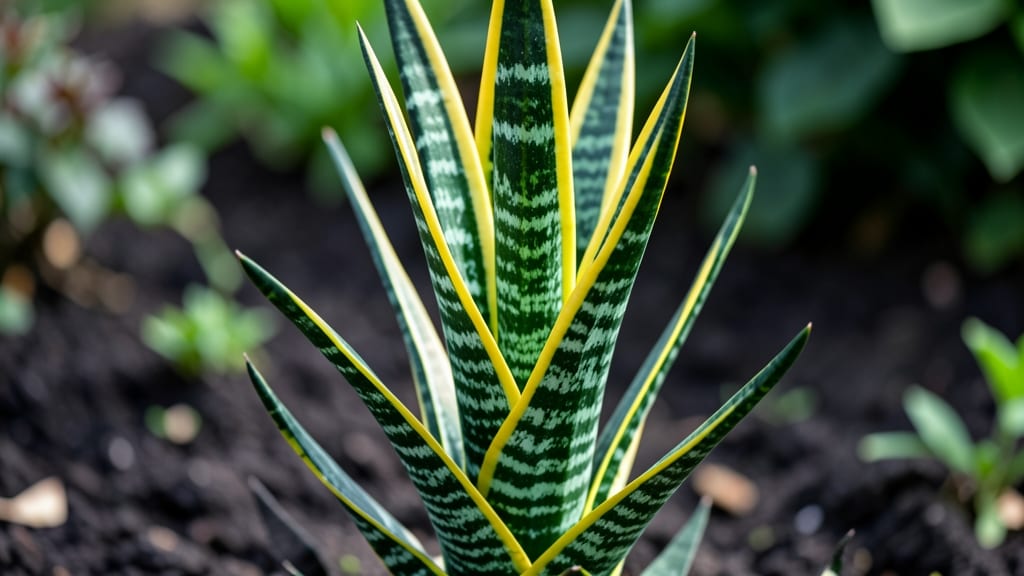
How to get a snake plant to grow tall—your plant’s vertical potential is hiding in plain sight, waiting for the right light and soil to unlock it. 🌱 I've watched mine go from stubby to striking in just a year by making two simple adjustments most people miss. The key? Bright, indirect light and soil that drains like a desert, not a swamp.
Most snake plants grow slow because they're either starved for light or drowning in soggy soil. Place yours near an east-facing window where it gets morning sun, or under a grow light if your space is dim.
Use a cactus mix or add perlite to regular potting soil—this plant hates wet feet. Water only when the soil is bone-dry, and you'll see those leaves reaching for the sky.
What you're aiming for is lush, upright foliage that can grow 2-3 feet tall in ideal conditions. The leaves will develop that classic sword-like shape and deep green stripes that make snake plants so striking.
Prune only to remove yellow leaves—never to control height, as this plant grows best when left alone.
This works for both beginner growers and plant parents with busy schedules. Snake plants are the ultimate low-maintenance plant when you get the basics right. The results? A dramatic, architectural centerpiece that thrives with minimal effort. Let's get those leaves growing tall!
📚 In This Guide
- What you need
- Instructions
- Tips and common mistakes
- Wrapping up and next steps
What you need
- ● Snake plant (Sansevieria spp.) – Choose a healthy, mature plant with at least 3-4 leaves for better growth potential.
- ● Well-draining potting mix – A blend of cactus/succulent soil (60%) + perlite or coarse sand (30%) + orchid bark or coco coir (10%). (Avoid heavy garden soil!)
- ● 10-12" pot or container – Ensure it has drainage holes to prevent root rot. Terracotta or ceramic pots work best for airflow.
- ○ Balanced liquid fertilizer – Look for a 10-10-10 or 20-20-20 NPK ratio (diluted to half-strength). (Optional: Slow-release granules for convenience.)
- ● Watering can with a narrow spout – Helps direct water to the soil without splashing leaves.
- ● Pruning shears or clean knife – For trimming dead leaves or propagating pups (if needed). (Sterilize with rubbing alcohol first!)
- ● Grow lights (LED full-spectrum) – If natural light is limited (e.g., 12-14 hours/day for indoor setups).
- ● Moisture meter – Prevents overwatering by checking soil moisture (aim for dry between waterings).
- ● Support stake or trellis – For top-heavy varieties (like Sansevieria 'Futura Superba') to prevent tipping.
- ● Compost or worm castings – Boosts soil nutrients naturally (mix 10% into potting soil).
Tips & tricks for towering snake plants
Real talk: Even the most patient gardeners sometimes miss the subtle cues that turn a snake plant from cute to commanding. Here’s what I’ve learned after watching mine stretch toward the ceiling.
Light Exposure Secret: The 12-14 hours of grow light mentioned is your magic window—but placement matters just as much. Place your plant 3-4 feet from an east-facing window for the perfect balance of bright, indirect light. If you notice leaves stretching toward the light (a sign of "etiolation"), it’s time to rotate the pot quarter-turn weekly as instructed. The goal is even growth, not lopsided giants. I’ve seen plants double in height within 6 months just by fixing their light position.
Soil Science: That 15-30 minute drainage rule isn’t just about preventing soggy roots—it’s about creating the right environment for upward growth. When repotting, press the plant in gently but firmly. The slight compression helps the roots establish quickly, which translates to faster vertical growth. I’ve found that using a pot 2-3 inches wider than the current one gives roots just enough room to spread without encouraging bushy growth instead of height.
Watering Wisdom: The 2-inch deep dry soil test is your best friend, but timing matters too. Water in the morning so excess moisture evaporates during the day rather than sitting in the saucer overnight. I’ve noticed my tallest snake plants come from those watered this way—they stay plump and focused on growing upward instead of struggling to recover from soggy soil.
Growth Hack: For varieties like Sansevieria 'Futura Superba', add a bamboo stake when the leaves reach 12 inches tall. Tie the tallest leaf to the stake with soft fabric strips, and you’ll see dramatic improvements in straight, vertical growth. This works because snake plants naturally grow toward support—it’s how they’d climb in the wild. Just don’t tie too tightly, or you’ll restrict growth instead of encouraging it.
Pro Tips for Get A Snake Plant To Grow Tall
- Real talk: Even the most patient gardeners sometimes miss the subtle cues that turn a snake plant from cute to commanding.
- Light Exposure Secret: The 12-14 hours of grow light mentioned is your magic window—but placement matters just as much.
- Soil Science: That 15-30 minute drainage rule isn’t just about preventing soggy roots—it’s about creating the right environment for upward growth.
Frequently asked questions
Got questions about growing your snake plant into a stunning vertical masterpiece? You’re not alone! Here are answers to the most common queries—plus a few pro tips to keep your plant thriving.
Why isn’t my snake plant growing taller?
Snake plants grow slowly, especially if they’re cramped or underwatered. Check these first: Is it in a pot with drainage? Is the soil dry 1–2 inches down before watering? If yes, it might need more time—or a sunlight boost. Yellowing leaves? That’s often a sign of overwatering.
How long does it take for a snake plant to grow tall?
Patience is key! With ideal care (bright, indirect light and well-draining soil), expect 3–6 inches of growth per year. Some varieties like Sansevieria trifasciata ‘Futura Superba’ grow faster, while others stay compact. Repotting every 2–3 years can also encourage taller growth by giving roots more space.
Can I use regular potting soil for a tall snake plant?
Nope! Regular soil holds too much moisture, which rotts roots and stunts growth. Mix in perlite, sand, or orchid bark (20–30%) to improve drainage. A chunky, airy blend mimics their desert-like habitat and helps them reach for the sky!
Should I prune my snake plant to make it grow taller?
Pruning won’t directly make your snake plant taller, but it can encourage bushier, stronger growth. Snip off brown or damaged leaves at the base to redirect energy. If you want a taller look, avoid cutting the top—focus on removing dead foliage to keep the plant healthy and upright.
What if my snake plant leans or flops over?
A leaning snake plant is usually reaching for light! Move it to a brighter spot (but avoid harsh direct sun). If it’s top-heavy, stake it with a bamboo stake or moss pole for support. Pro tip: Rotate the pot quarter-turns monthly to grow evenly tall!
Wrapping up and next steps
Growing a tall, thriving snake plant is all about patience, the right conditions, and a little extra care! 🌱 With the perfect balance of bright, indirect sunlight, well-draining soil, and occasional pruning, your snake plant will reach for the skies in no time.
Remember, consistency is key—whether it’s watering sparingly or rotating your plant for even growth.
Now that you’re armed with these sunlight and soil secrets, it’s time to put your knowledge into action. Grab your snake plant, find that sunny spot, and watch it grow into the stunning vertical statement piece you’ve always wanted!
Ready to level up your plant parenting game? Share your progress or explore more snake plant care tips to keep the magic going!