
Companion Plants
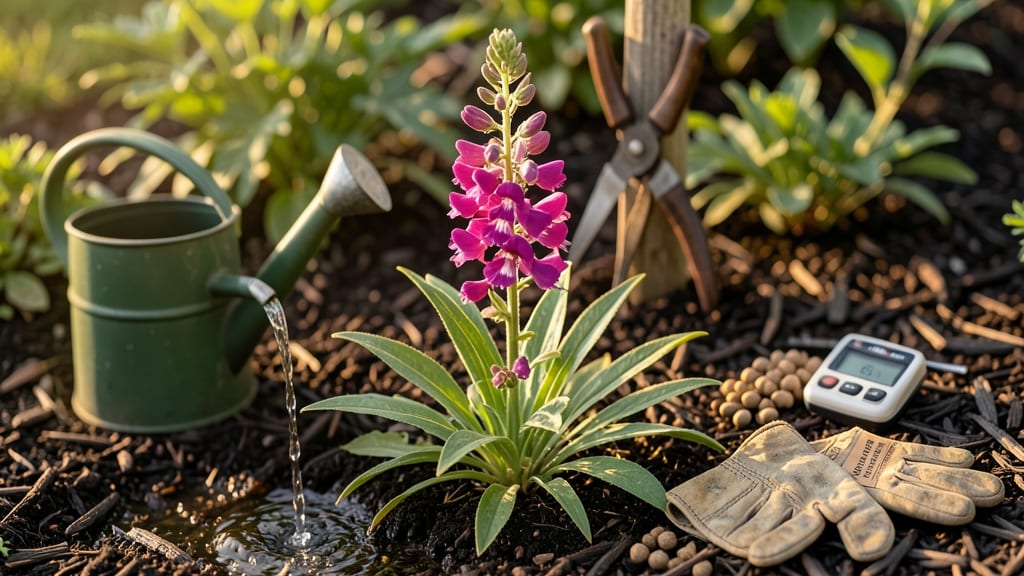
Caring for penstemon plants means drought-resistant blooms that practically take care of themselves once established. 🌿 I've grown these tough perennials for years, and they've proven to be the low-maintenance superstars of my garden—thriving where other plants wilt under the sun.
The secret lies in three simple foundations: full sun, well-draining soil, and occasional watering that mimics nature's rhythm. Most people overwater, thinking penstemons need constant moisture, but they actually despise soggy roots. A deep watering once a week (or less in summer) keeps them happy without the fuss.
By summer's end, you'll be rewarded with vibrant spikes of flowers that hummingbirds can't resist. The plants grow 2-3 feet tall, creating vertical interest that brightens any border or container. Their long bloom season means color from late spring through fall with minimal effort.
Works beautifully in rock gardens, borders, or even containers—just give them space to spread. Here's how to keep them looking their best all season long.
📚 In This Guide
- What you need
- Instructions
- Tips and common mistakes
- Wrapping up and next steps
What you need
- ● Penstemon plants: 1–3 plants (depending on desired garden size; choose native varieties for best drought tolerance).
- ● Well-draining soil: 1–2 cubic yards of a mix like cactus/succulent blend or native desert soil (amend with perlite or sand if needed).
- ● Compost: 1–2 gallons (for enriching soil without overfeeding).
- ● Organic mulch: 2–3 inches of gravel, pebbles, or bark (to retain moisture and deter weeds).
- ● Watering can or drip irrigation: 1–2 gallons capacity (for precise, infrequent watering).
- ● Garden trowel or shovel: 1 (for planting and soil prep).
- ● Gloves: 1 pair (to protect hands from prickly stems).
- ● Pruning shears: 1 pair (for deadheading and shaping).
- ○ pH testing kit (optional): To ensure soil pH is 6.0–7.0 (Penstemon prefers slightly acidic to neutral).
- ○ Slow-release fertilizer (optional): 1 bag of balanced 10-10-10 or low-nitrogen formula (apply sparingly).
- ● A sunny spot: 6+ hours of direct sunlight daily (Penstemon thrives in full sun).
- ● Drainage: Avoid low-lying areas where water pools (root rot is a foe!).
- ● Patience: Penstemon blooms best with minimal interference—overwatering or over-fertilizing can stress them.
Tips & tricks for perfect penstemon care
These practical insights will help you keep your penstemon thriving with minimal effort while avoiding common pitfalls that can stunt growth or shorten bloom time.
Soil Preparation Secret: In Step 1, when testing drainage, I recommend digging a second test hole nearby after amending with sand or perlite to confirm your improvements actually work. The goal is to mimic the rocky, well-draining conditions of penstemon's native habitat—think of it as creating a miniature mountain slope in your garden. The 30-minute drainage test is your litmus paper for success.
Watering Technique: During the critical 4-6 week establishment period in Step 2, I've found that using a soil moisture meter helps avoid both underwatering and overwatering. Aim for the meter to read "dry" at 6-8 inches depth before each weekly watering. This prevents the shallow root system from developing bad habits while ensuring adequate moisture penetration.
Fertilizer Timing: The instructions mention spring and late summer feedings, but I've noticed that applying fertilizer right after pruning in Step 4 gives plants an extra boost. The fresh growth from pruning is primed to absorb nutrients, making this the perfect time to work in that 1 tablespoon of half-strength 10-10-10 fertilizer per square foot. Just be sure to keep it 3 inches away from stems to prevent burn.
Winter Protection Hack: When temperatures drop below 20°F in Step 5, I recommend using a clear plastic dome or cloche over young plants instead of just mulch. This creates a microclimate that can raise temperatures by 5-10 degrees while still allowing light penetration. Remove it during the day when temperatures rise to prevent overheating.
Pro Tips for Care For Penstemon Plants
- These practical insights will help you keep your penstemon thriving with minimal effort while avoiding common pitfalls that can stunt growth or shorten bloom time.
- Soil Preparation Secret: In Step 1, when testing drainage, I recommend digging a second test hole nearby after amending with sand or perlite to confirm your improvements actually work.
- Watering Technique: During the critical 4-6 week establishment period in Step 2, I've found that using a soil moisture meter helps avoid both underwatering and overwatering.
Frequently asked questions
How often should I water Penstemon plants?
Once established (after 2–3 months), Penstemon is extremely drought-tolerant—water deeply every 2–3 weeks in dry climates or during heatwaves. Newly planted or potted Penstemon needs weekly watering to help roots establish. Pro tip: Always water at the base to avoid wetting leaves, which can cause fungal issues.
When is the best time to prune Penstemon?
Prune right after flowering (late spring to early summer) to encourage bushier growth and more blooms next season. Avoid heavy pruning in fall—just trim dead or damaged stems. Never prune in winter, as new growth may be killed by frost. For perennials, a light cleanup in early spring keeps them tidy!
What pests or diseases commonly affect Penstemon, and how do I treat them?
Penstemon is generally pest-resistant, but watch for:
- Aphids: Spray with water or use insecticidal soap.
- Spider mites: Increase humidity or apply neem oil.
- Powdery mildew: Improve airflow and avoid overhead watering.
If leaves yellow or wilt, check for root rot—this happens from overwatering. Let soil dry out between waterings to prevent it.
Can Penstemon grow in containers, and what’s the best soil mix?
Yes! Penstemon thrives in containers with well-draining soil. Use a mix of:
- 50% potting soil
- 30% perlite or pumice
- 20% coarse sand or gravel
Add a slow-release fertilizer at planting time for a nutrient boost. Containers dry out faster, so water every 5–7 days in summer.
Why isn’t my Penstemon blooming?
Lack of blooms usually means one of these:
- Too much nitrogen: Switch to a low-nitrogen, high-phosphorus fertilizer to encourage flowers.
- Overcrowding: Thin out plants or divide clumps every 2–3 years.
- Not enough sun: Penstemon needs 6+ hours of sunlight daily.
- Deadheading delay: Remove spent blooms to prompt new flowers.
If it’s a new plant, give it a full growing season—some varieties bloom in their second year!
Wrapping up and next steps
Caring for penstemon plants is a rewarding journey—these drought-resistant beauties thrive with just a little attention to their light, water, and soil needs. Whether you’re a beginner or a seasoned gardener, their low-maintenance charm makes them a perfect addition to any landscape.
Now that you’re armed with the know-how, roll up your sleeves and plant that first penstemon—your garden (and pollinators!) will thank you.
🌱 Next step: Pick your favorite variety, grab some well-draining soil, and start growing! Explore penstemon varieties or share your progress with fellow plant lovers online.