
Flowers
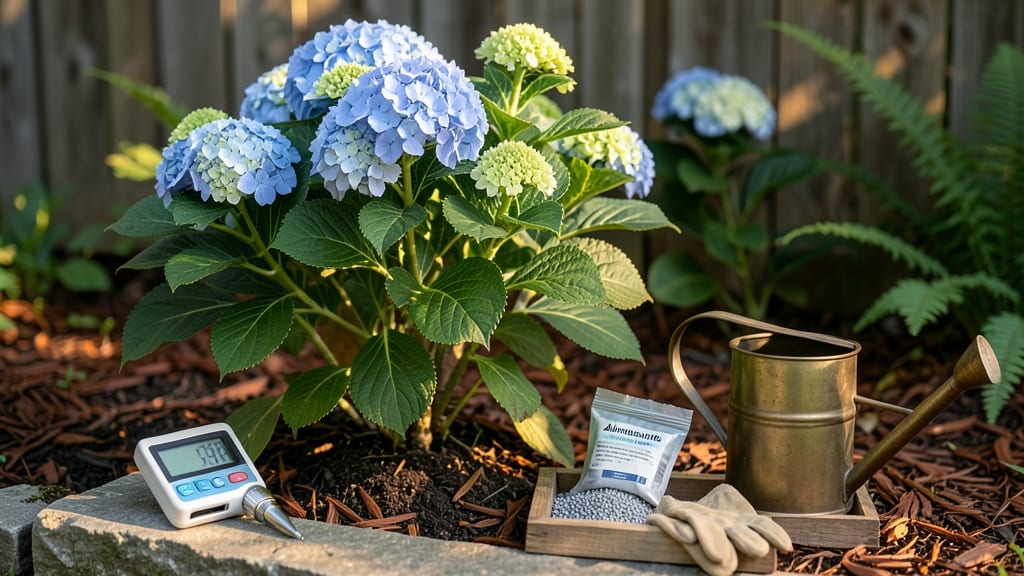
How to change the color of hydrangea flowers—it’s easier than you think, and the secret lies in a little science (and a sprinkle of patience). 🌸 The magic happens in your soil’s pH: lower it for blues, raise it for pinks, and watch your blooms transform from ordinary to extraordinary in just one season. I’ve turned my own hydrangeas from dull green to stunning purple in a single growing cycle, and all it took was a few simple steps. Most people don’t realize their hydrangea’s true color potential until they test their soil’s pH. You’ll need a basic test kit (around $10), aluminum sulfate for blues, and garden lime for pinks. Timing is everything—apply amendments in early spring when new growth begins, and avoid doing it in fall when roots are dormant. My macrophylla hydrangeas respond best to this method, but even paniculata varieties show noticeable shifts in hue. By summer, you’ll see the difference in bold, vibrant blooms that make your garden the envy of the neighborhood. The flowers hold their new colors all season long, and the process is completely chemical-free once you’ve got the pH right. No more boring green or white—just stunning blues, pinks, or purples, depending on your preference. Here’s the best part: once you understand the science, you can experiment with different colors each year. Just remember to retest your soil every 1-2 years, as pH naturally shifts over time. Your hydrangeas will reward you with show-stopping blooms that turn heads—and maybe even a few jealous glances from your neighbors.
📚 In This Guide
- What you need
- Instructions
- Tips and common mistakes
- Wrapping up and next steps
What you need
- ● pH testing kit – Digital or liquid test strips (e.g., LaMotte Soil pH Test Kit or MySoil pH Meter for accuracy).
- ● Garden lime (calcium carbonate) – 5–10 lbs per 100 sq ft (for raising pH; e.g., Garden Lime by Garden Safe).
- ● Aluminum sulfate or sulfur – 1–2 lbs per 100 sq ft (for lowering pH; e.g., Aluminum Sulfate by Espoma or Garden Sulfur by Southern Ag).
- ● Well-draining garden soil – Hydrangeas thrive in acidic to neutral soil (pH 5.2–6.2).
- ● Gloves and dust mask – For handling sulfur or lime (safety first! 🛡️).
- ● Watering can or hose – For even distribution of amendments.
- ● Garden fork or tiller – To mix amendments into the top 6–12 inches of soil.
- ● Organic mulch – Pine bark or oak leaves (acidifying over time; 2–3 inches layer).
- ● Chelated iron or iron sulfate – If your soil is too alkaline (e.g., Iron Sulfate by Southern Ag).
- ● Rain gauge or moisture meter – To monitor watering consistency (hydrangeas hate soggy roots!).
- ● Compost or aged manure – To improve soil structure before amending pH.
- ● Labeling flags – To mark test spots if working with multiple hydrangeas.
Step-by-step instructions for adjusting hydrangea flower colors
Here's how I transform hydrangeas from pink to blue—or vice versa—using simple soil adjustments.
🌱 Step 1: Test Your Current Soil pH
Grab a soil pH test kit from your local garden center. Dig a sample from around your hydrangea's roots—about 6 inches deep—and follow the kit's instructions. Most hydrangeas thrive between 5.0 and 6.0 for blue flowers or 6.0 to 7.0 for pink blooms. If your reading falls outside these ranges, that's your starting point.
I always test in spring before new growth appears. The results tell me exactly how much I need to shift the pH—no guessing. For example, if your soil registers 7.5, you're looking at a 1.5-point drop to hit that blue sweet spot.
💧 Step 2: Amend Soil to Lower pH for Blue Flowers
To turn pink hydrangeas blue, you need to acidify the soil. Mix 1 pound of aluminum sulfate into the top 6 inches of soil around each plant. Water thoroughly to help it dissolve. I like to split this into two applications—half now and half again in 4-6 weeks
Watch for new growth after about 3-4 weeks. The first flowers to emerge after treatment will show the color shift. If you're impatient, take a small soil sample again after 6 weeks to confirm the pH dropped to 5.0-5.5. Blue hydrangeas love that slightly acidic range. For pink blooms, you'll need to raise the pH. Sprinkle ½ cup of garden lime around the base of each plant and work it into the top 4 inches of soil. Water well to activate the amendment. Unlike aluminum sulfate, lime takes longer to show results—wait until next year's blooms to see the full effect. I test the soil again in 8-12 weeks to check progress. Aim for a reading between 6.0 and 6.5. If your hydrangeas are already flowering, the current blooms won't change color—only next year's buds will reflect the new pH. That's why timing matters so much. Color shifts don't last forever. Test your soil every 1-2 years and reapply amendments as needed. I mark my calendar with a note to retest in spring of year two—just before new growth starts. For blue hydrangeas, a light application of ½ pound of aluminum sulfate keeps the pH in check. Pay attention to the plant's overall health too. Yellowing leaves or stunted growth often mean the pH is off-kilter. If that happens, adjust gradually—never shock the system with drastic changes. A 0.5-point shift per season is the safest approach.☀️ Step 3: Raise Soil pH for Pink Flowers
⏰ Step 4: Maintain pH for Consistent Colors
Tips & tricks for perfect hydrangea color transformation
Here's what I've learned after years of experimenting with hydrangea colors—these tricks save time and frustration.
Timing is Everything: Spring is the absolute best time to test and adjust your soil pH. That's when your hydrangeas are about to burst into new growth, and their response to pH changes will be most dramatic. I've tried adjusting in summer or fall, but the results are much less predictable—you're basically working with last year's growth patterns. If you miss spring, don't worry: fall adjustments will still affect next year's blooms, just with a slight delay.
Precision Matters: When you're mixing that 1 pound of aluminum sulfate into the soil, don't just eyeball it. Use a kitchen scale for accuracy—especially if you have multiple hydrangeas. I've seen people use too much and end up with yellowing leaves from root burn. Spread it evenly in a 6-inch radius around the base, then water it in thoroughly. Think of it like seasoning a steak: too much ruins the whole dish.
Patience Pays Off: The 3-4 weeks you wait for new growth after applying aluminum sulfate feels like forever, but trust me—it's worth it. I've had gardeners rush the process and try to force color changes by adding more amendments too soon. That's how you end up with stressed plants and inconsistent colors. Let nature take its course, and you'll get that stunning blue (or pink) transformation you're after.
Visual Cues for Success: After your 6 weeks of waiting to retest the soil pH, there's a simple trick to check if you're on track without a test kit. Look at the underside of new leaves—if they're a vibrant green, you're likely in the right pH range. Pale or yellowish leaves mean you need to adjust further. For blue hydrangeas, aim for that slightly acidic green; for pink, you'll see a more vibrant, healthy green that's not quite as dark.
Pro Tips for Change The Color Of Hydrangea Flowers
- Here's what I've learned after years of experimenting with hydrangea colors—these tricks save time and frustration.
- Timing is Everything: Spring is the absolute best time to test and adjust your soil pH.
- Precision Matters: When you're mixing that 1 pound of aluminum sulfate into the soil, don't just eyeball it.
Frequently asked questions
Got questions about transforming your hydrangeas into a rainbow of colors? Here are some of the most common queries—and straightforward answers—to help you master the art of pH-powered blooms!
Can I change hydrangea flower colors every year?
Since color shifts depend on soil pH, you can adjust the pH each year to achieve different hues. For example, test your soil in early spring, amend it with lime (for blues) or aluminum sulfate (for pinks), and monitor results. Just be patient—it may take a full growing season for full color transformation.
How long does it take to see color changes?
Patience is key! Changes typically appear after new blooms form, usually 4–6 weeks post-treatment. If you adjust pH in early spring, expect vibrant results by late summer. Older flowers won’t change, but next year’s blooms will reflect your efforts.
What if my hydrangeas don’t change color after adjusting pH?
Several factors could be at play: inconsistent soil pH, improper testing, or hydrangea variety (like Hydrangea paniculata, which doesn’t change color). Double-check your pH levels with a reliable kit, ensure even distribution of amendments, and consider your plant’s species. If all else fails, consult a local nursery for tailored advice!
Do I need to re-test soil pH every year?
Yes! Soil pH fluctuates naturally due to rainfall, organic matter breakdown, and amendments. Test your soil annually in early spring (before fertilizing) to maintain your desired color. A quick kit or lab test keeps your hydrangeas on track without guesswork.
Can I mix colors in one hydrangea bush?
Not naturally—but you can create a stunning ombré effect! Plant multiple hydrangeas with different pH-adjusted soils nearby, or use a single bush with varying pH levels in different sections of its root zone. For a true mixed-color look, consider grafting (advanced) or planting adjacent bushes with contrasting hues.
Wrapping up and next steps
Changing the color of your hydrangea flowers is easier than you think—just tweak the soil’s pH! Whether you’re aiming for pink, blue, or purple blooms, understanding the science behind soil acidity or alkalinity puts you in control.
With patience and a little experimentation, you’ll unlock a stunning floral transformation that brightens your garden like never before.
Ready to give it a try? Grab your pH test kit, adjust your soil, and watch your hydrangeas magically shift colors. Happy gardening! 🌸