
Succulent
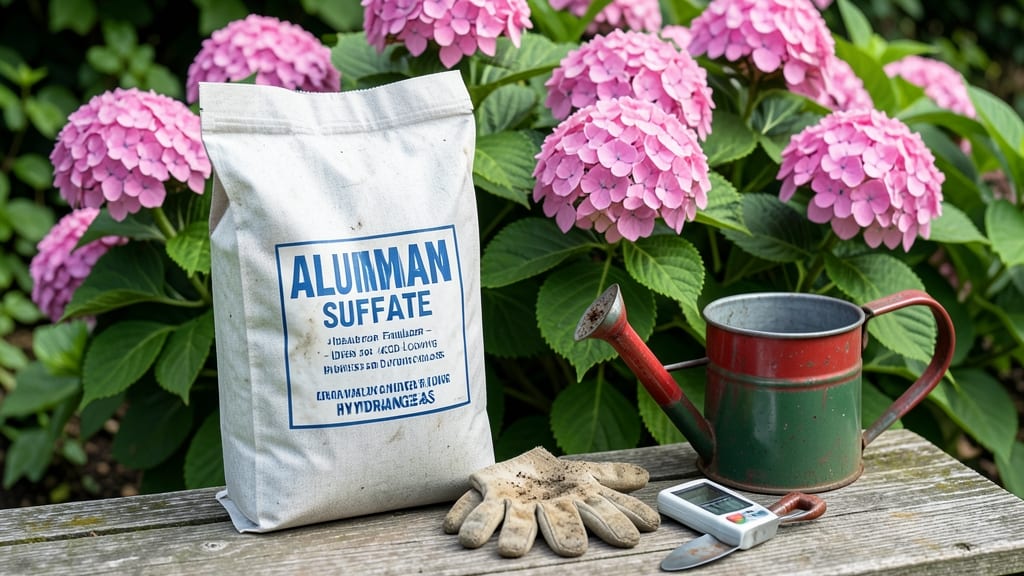
How to change pink hydrangeas to blue—your garden’s pastel blooms could turn shockingly blue this season, thanks to science, not magic. 💙 I’ve transformed my own hydrangeas into deep cobalt using a simple aluminum sulfate trick that’s foolproof once you know the steps. The secret lies in soil pH, and with the right approach, you’ll see dramatic color shifts by next summer.
First, test your soil’s pH—aim for 5.2 or lower for true blue blooms. Grab aluminum sulfate (about 1/4 pound per plant), a watering can, and a pH test kit. Apply it in early spring or fall, when roots are active but blooms aren’t set.
Water thoroughly to dissolve the granules into the soil, and repeat every 4-6 weeks until you hit that perfect acidic range.
Results take time—1-2 seasons of consistent care—but the payoff is worth it. Imagine your garden bursting with jewel-toned blue instead of soft pinks. Just watch for overdoing it: too much aluminum can stunt growth, so monitor your plants and adjust.
The first year might bring muted lavender, but by year two, you’ll have that vibrant blue everyone dreams of.
This method works for mophead and lacecap hydrangeas, but not for bigleaf varieties that naturally resist color changes. For best results, combine the aluminum sulfate with composted pine needles or peat moss to boost acidity naturally. Now grab your gloves—your hydrangeas are about to get a stunning makeover.
📚 In This Guide
- What you need
- Instructions
- Tips and common mistakes
- Wrapping up and next steps
What you need
- ● Aluminum sulfate – 1 to 2 tablespoons per gallon of water (or follow label instructions for granular forms). Look for hydrangea-specific products or food-grade aluminum sulfate for safety.
- ● Watering can or hose with a gentle spray nozzle – Choose one with a fine mist setting to avoid disturbing soil or blooms.
- ○ Gloves (optional but recommended) – Protects hands from aluminum sulfate residue (nitrile or rubber gloves work best).
- ● pH testing kit – A soil pH meter or liquid pH test strips to monitor soil acidity (ideal range: 5.0–5.5 for blue blooms).
- ○ Garden trowel or fork – For lightly loosening soil around hydrangea roots (optional but helpful for deeper absorption).
- ● Measuring cup or spoon – For precise aluminum sulfate dosage (avoid overuse!).
- ● Spray bottle (small) – For targeted application to leaves or soil if needed.
- ● Epsom salt (magnesium sulfate) – 1 tablespoon per gallon (boosts color vibrancy and prevents aluminum toxicity).
- ● Rainwater or distilled water – Chlorine-free water prevents chemical interference with aluminum.
- ● Mulch (pine needles or oak leaves) – Acidifies soil naturally over time (sprinkle around the base after treatment).
- ● Labels or markers – To tag treated plants and track progress.
Step-by-step instructions for turning pink hydrangeas blue
Here's the science-backed method I've used to transform pink hydrangeas into stunning blue blooms—no guesswork, just results.
💧 Step 1: Test Your Soil's Current pH Level
Use a soil pH test kit to determine your hydrangea's current pH. Most pink hydrangeas thrive in pH 6.0-6.5, which produces pink or red blooms. For blue flowers, you'll need to lower the pH to 5.2-5.5. I like to test in early spring before new growth begins—this gives you the full growing season to adjust.
Take multiple soil samples from different areas around the plant, as pH can vary. If your soil tests above 6.0, you'll need to acidify it significantly. Write down your results—you'll reference them later to track progress. Remember, hydrangeas are sensitive to sudden pH shifts, so gradual changes work best.
✂️ Step 2: Apply Aluminum Sulfate Gradually
Start with 1 teaspoon of aluminum sulfate per gallon of water for your first application. This is a gentle introduction that won't shock your plants. Mix thoroughly and water directly at the base of each hydrangea until the soil is saturated to 6 inches deep. Avoid wetting the foliage to prevent leaf burn.
I apply this solution every 2 weeks during the growing season (spring through summer). The aluminum in the sulfate binds with the hydrangea's natural pigments, triggering the blue coloration. If you notice yellowing leaves after application, you're using too much—cut back to half strength next time.
🌱 Step 3: Monitor and Adjust for Optimal Blue Blooms
After 4-6 weeks of consistent aluminum sulfate applications, check your hydrangea's new buds. The first blooms may still be pink, but subsequent flowers should begin showing blue tinges. If the color change is slow, increase the concentration slightly to 1.5 teaspoons per gallon, but never exceed 2 teaspoons per gallon to avoid toxicity.
Test your soil pH again in late summer to confirm you've reached 5.2-5.5. If needed, apply a final dose of aluminum sulfate in early fall to lock in the blue pigmentation for next year's blooms. Remember, hydrangeas only show their true colors on new wood—so if you prune old stems, you'll delay seeing blue flowers until the following season.
☀️ Step 4: Maintain Soil Acidity Year-Round
In fall, spread 1 pound of elemental sulfur per 100 square feet around your hydrangeas and work it into the top 2 inches of soil. This helps maintain acidity through winter. Water thoroughly after application to activate the sulfur. I also mulch with 2-3 inches of pine bark or pine needles, which naturally acidify the soil as they decompose.
In early spring, before new growth appears, apply a balanced acid-loving plant fertilizer (like 10-10-10 with added iron) to replenish nutrients. Avoid high-phosphorus fertilizers, as they can raise pH. Re-test your soil pH in late spring and adjust if needed—consistency is key to keeping those hydrangeas reliably blue year after year.
🌿 Step 5: Troubleshoot Common Color Issues
If your hydrangeas develop purple blooms instead of blue, your pH is likely too high (around 5.6-6.0). Reduce aluminum sulfate applications and increase sulfur or pine mulch. For pale or washed-out blue, your soil may be too acidic (below 5.0). Back off on acidifiers and add lime sparingly to raise pH slightly.
Watch for leaf scorch or yellowing—this often means over-acidification. If you see this, flush the soil with plain water to dilute excess aluminum. I also keep a soil pH log to track adjustments season by season. The goal is balance: blue blooms without stressing the plant.
Tips & tricks for perfect blue hydrangea blooms
Real talk: The secret to stunning blue hydrangeas isn't just about throwing aluminum sulfate on your plants—it's about patience, precision, and understanding your soil's personality. Here's what I've learned after years of experimenting to get those vibrant blues without sacrificing plant health.
Soil Testing Accuracy: Don't just grab one soil sample—test multiple spots around your hydrangea, especially if your yard has different microclimates. I've seen pH readings vary by 0.5 points just a few feet apart! Use a digital pH meter for the most accurate results, especially when you're aiming for that precise 5.2-5.5 range. Remember, hydrangeas are sensitive to sudden pH shifts, so gradual adjustments are key.
Application Technique: When applying your aluminum sulfate solution, focus on getting it deep into the root zone—aim for those 6 inches of saturation. I use a watering wand with a gentle spray to avoid disturbing the soil surface. Pro tip: Apply in the morning so any accidental leaf contact has time to dry before evening dew sets in. This prevents the leaf burn you might see with over-application.
Seasonal Timing: The 2-week interval between applications works perfectly during active growing season (spring through summer), but adjust your schedule for fall. In late summer when you're testing for the 5.2-5.5 range, you might need to space applications 3 weeks apart as growth naturally slows. The goal is consistent acidification without shocking the plant as temperatures drop.
Alternative Acidifiers: While aluminum sulfate is the gold standard, you can supplement with other acidifiers if needed. Coffee grounds (1 cup per plant every 2 weeks) work well for mild acidification, and peat moss mixed into the soil provides slow-release acidity. Just remember—these are supporting players, not replacements for the aluminum sulfate's pigment-changing magic.
Pro Tips for Change Pink Hydrangeas To Blue
- Real talk: The secret to stunning blue hydrangeas isn't just about throwing aluminum sulfate on your plants—it's about patience, precision, and understanding your soil's personality.
- Soil Testing Accuracy: Don't just grab one soil sample—test multiple spots around your hydrangea, especially if your yard has different microclimates.
- Application Technique: When applying your aluminum sulfate solution, focus on getting it deep into the root zone—aim for those 6 inches of saturation.
Frequently asked questions
Got questions about turning your pink hydrangeas blue?
Here are some of the most common ones—and their answers—to help you achieve that stunning color transformation with confidence!
How often should I apply aluminum sulfate to keep hydrangeas blue?
Apply aluminum sulfate once in early spring (before new growth starts) and again in mid-summer for best results. Overdoing it can harm roots, so stick to 1–2 times per year unless your soil is very alkaline. Test your soil first—if the pH is already low (<5.5), skip it!
How long does it take to see blue hydrangeas after treatment?
You’ll notice subtle changes in 2–4 weeks, but full blue blooms may take up to 6–8 weeks, depending on your hydrangea type and soil pH. Patience is key—especially if your plant is young or the soil is very alkaline. Consistency beats rushing!
Can I use vinegar instead of aluminum sulfate for blue hydrangeas?
Yes! Vinegar (1 cup white vinegar per gallon of water) is a DIY alternative, but it’s less precise than aluminum sulfate. Use it once in early spring, then monitor soil pH. Vinegar can also burn roots if overused, so dilute it properly and avoid applying it to leaves.
What if my hydrangeas turn purple instead of blue?
Purple blooms mean your soil pH is right on the edge—likely between 5.5–6.0. To push them fully blue, reapply aluminum sulfate (or vinegar) and test your soil again in 4–6 weeks. If they stay purple, your hydrangeas might be ‘Endless Summer’ or another hybrid that resists full blue!
Does rain wash away the aluminum sulfate before it works?
Light rain (<1 inch) won’t harm the treatment, but heavy downpours (2+ inches) can dilute it. For best results, water the soil thoroughly after applying to help the aluminum sink in, then reapply if needed after extreme rain. Timing matters—apply on a dry, calm day for optimal absorption.
Wrapping up and next steps
Transforming your pink hydrangeas into stunning blues is easier than you think—just a little aluminum soak magic and patience! 🌸 Whether you’re using aluminum sulfate, alum, or even coffee grounds, the key is consistency and the right soil pH. Now that you’re armed with the know-how, grab your gardening gloves and give it a try—your blooms will thank you!
Ready to see the change? Start with one plant as a test and monitor its progress. Soon, you’ll be basking in the beauty of vibrant blue hydrangeas that’ll make your garden the talk of the neighborhood. Happy gardening! 🌿✨