
Tools
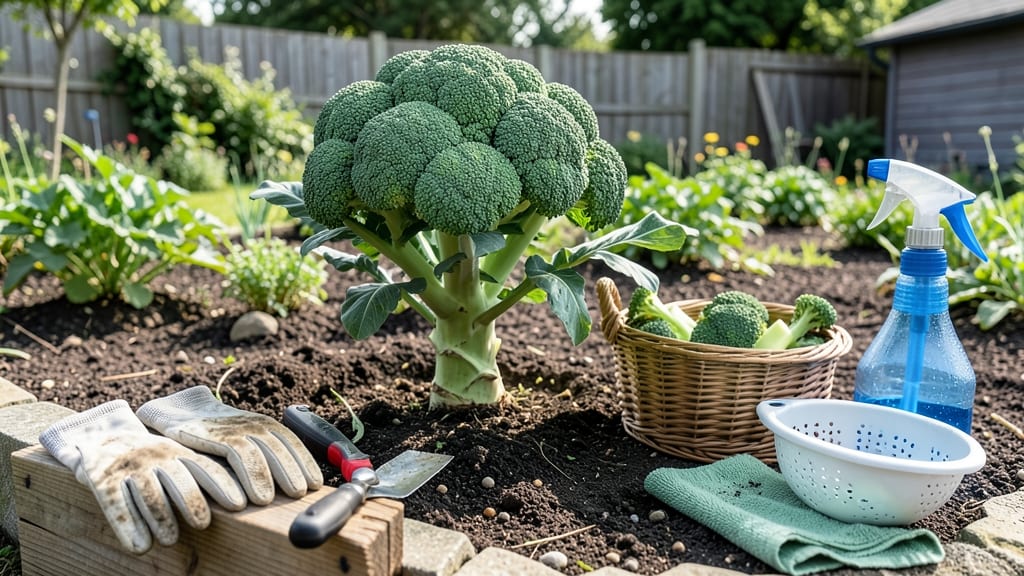
How to clean garden-fresh broccoli transforms a muddy harvest into crisp, vibrant florets ready for the table. 🌱 The key is removing stubborn soil and hidden pests without damaging those tender stems—something I learned the hard way after serving my family a meal with gritty surprises. Start by filling a large bowl or sink with cool water and adding a splash of white vinegar (it loosens dirt better than plain water). Gently swirl the broccoli crowns for 30 seconds, then use your fingers to rub away stubborn soil between the florets. For extra dirty stalks, a soft vegetable brush works wonders—just avoid scrubbing too hard to prevent bruising. After rinsing, pat dry with a clean towel or paper towels, then trim any wilted outer leaves and cut off the woody lower stalk (about 1 inch from the base). Store in an open container in the fridge for up to 5 days, or wrap in a damp towel for longer storage—this keeps them fresher longer than plastic bags. The best part? Cleaning before cooking preserves crispness and flavor. Skip the soak if you’re blanching or roasting—just rinse right before cooking. Now you’re ready to enjoy that garden bounty without the dirt!
📚 In This Guide
- What you need
- Instructions
- Tips and common mistakes
- Wrapping up and next steps
What you need
- ● Fresh garden broccoli – 1-2 heads (adjust based on your harvest size).
- ● Large bowl or basin – A deep, wide container (10+ inches in diameter) to submerge the broccoli.
- ● Cold water – Enough to fill the bowl halfway (about 2-3 gallons for 2 heads of broccoli).
- ● Soft-bristle brush – A vegetable brush (or a clean, stiff-bristle toothbrush in a pinch) for scrubbing.
- ● Colander or strainer – A medium-sized mesh strainer (6-8 inches wide) to drain water.
- ● Clean kitchen towel or paper towels – For patting dry (2-3 towels to avoid soggy florets).
- ● Sharp knife or kitchen shears – A chef’s knife (8-inch) or shears for trimming stems.
- ● Cutting board – A sturdy, food-safe board (12x18 inches recommended).
- ● Baking soda or vinegar – 1-2 tablespoons per gallon of water for a natural soak to remove pesticide residues.
- ● Food-safe sanitizing spray – Like diluted hydrogen peroxide (1 tsp per cup of water) for extra disinfection.
- ● Salad spinner – Speeds up drying time for delicate florets.
- ● Glove – A pair of food-safe gloves if you prefer not to handle dirt directly.
Step-by-step instructions for cleaning garden-fresh broccoli
Here's the quick, effective method I use to remove dirt and pests without damaging those tender florets.
💧 Step 1: Rinse Under Cool Running Water
Fill a large bowl or sink with cool water—never hot, as it can shock the broccoli and make florets limp. Hold the stem firmly and swirl the crown under the water for 30-45 seconds, focusing on the crevices where dirt hides. The cool water loosens stubborn soil while preserving crispness.
Don't skip this step—broccoli absorbs pesticides and bacteria from the soil, so thorough rinsing is non-negotiable. I like to swirl the florets between my fingers to dislodge dirt from the tiny buds. You'll see the water run clear after about a minute.
✂️ Step 2: Trim the Stem and Remove Outer Leaves
Use a sharp knife to cut off the bottom 1-2 inches of the stem where it meets the floret crown. This is where most dirt accumulates and where pests like to hide. Discard any yellow or wilted leaves—they won’t clean well and can harbor bacteria.
Here's the thing—those tough outer leaves on the stem aren’t edible anyway. Peel them back toward the base and toss them. You're left with clean, vibrant florets ready for the next step. If your broccoli has a thick stem, you can slice it lengthwise to expose the inner flesh for easier cleaning.
🌿 Step 3: Soak in a Vinegar Solution (Optional but Effective)
For extra pesticide removal, fill a clean bowl with 1 gallon of cool water and add 1 tablespoon of white vinegar. Submerge the broccoli crowns for 5-10 minutes, gently stirring once or twice. The vinegar breaks down residue while being food-safe.
This step is optional but worth it if your garden uses any sprays. You'll notice the water turn slightly cloudy—this is the dirt and residue lifting off. After soaking, give the broccoli another quick rinse under clean water to remove any vinegar taste.
🪴 Step 4: Dry Thoroughly Before Storage
Pat the broccoli very dry with a clean kitchen towel or paper towels. Moisture trapped in the florets speeds up spoilage, so this step can't be rushed. I like to spread the florets on a wire rack for 10-15 minutes to air-dry completely.
Watch for any lingering water droplets in the crevices—these are prime spots for mold. If you're storing the broccoli for more than a day, let it dry completely before refrigerating. Proper drying keeps your broccoli fresh for up to 5-7 days in the fridge.
⏰ Step 5: Store Properly for Maximum Freshness
Place the dried broccoli in an airtight container or a plastic bag with a paper towel to absorb any remaining moisture. Store it in the crisper drawer of your refrigerator, where the humidity level is ideal. For longer storage, you can blanch and freeze it—just plunge cleaned florets into boiling water for 2 minutes, then ice bath, before freezing.
Real talk: Broccoli stored this way stays fresher longer than you'd expect. Check it after 3 days—if the florets are still firm and bright green, you're doing it right. If they start to yellow or smell, it's time to cook them up before they go bad.
Tips & tricks for perfect garden-fresh broccoli prep
Real talk: The difference between broccoli that looks store-bought and broccoli that looks like it came straight from your garden is in these small but mighty details. Here's what nobody tells you—
Rinse Smart: That 30-second swirl in cool water isn't just about dirt—it's about preserving texture. Hot water shocks the broccoli and makes it limp. I learned this the hard way after ruining three batches by using warm water. Also, if you're dealing with really stubborn dirt, don't just rinse—let it soak for those 1-2 minutes while you're rinsing the bowl. The grit will release like magic.
Soapy Water Secret: When you spot those pesky little bugs or eggs, that 10-second soapy dip is your secret weapon. But here's the thing: use mild dish soap—nothing with bleach or strong fragrances. And for heaven's sake, rinse it off immediately after! I once left broccoli in soapy water for "just a minute" and came back to find it looking like it had been through a war zone.
Drying Game-Changer: The 15-20 minutes you spend drying might seem like forever, but trust me on this. Wet broccoli in a sealed container will turn to mush overnight. Spread those florets on a wire rack in a single layer—they'll be ready in no time, and you'll avoid the dreaded "soggy broccoli" fate. Pro tip: If you're really short on time, use a salad spinner for a quick dry.
Pro Tips for Clean Broccoli From The Garden
- Real talk: The difference between broccoli that looks store-bought and broccoli that looks like it came straight from your garden is in these small but mighty details.
- Rinse Smart: That 30-second swirl in cool water isn't just about dirt—it's about preserving texture.
- Soapy Water Secret: When you spot those pesky little bugs or eggs, that 10-second soapy dip is your secret weapon.
Frequently asked questions
How soon after harvesting should I clean broccoli?
Clean your broccoli as soon as possible after picking—ideally within 1-2 hours. This prevents dirt from drying onto the florets and makes washing easier. If you can’t clean it right away, store it in a breathable bag in the fridge (up to 5 days) before washing.
Can I use soap or detergent to clean garden broccoli?
No, avoid soap or dish detergent—it leaves residue that’s hard to rinse off and can make broccoli taste bitter. Stick to plain water or a vinegar rinse (1 part vinegar to 3 parts water) for stubborn dirt. For extra safety, use a produce wash labeled safe for organic produce.
What’s the best way to remove dirt from broccoli stems?
For tough stem dirt, trim the base first (about ½ inch), then use a vegetable brush or your fingers to scrub under running water. Soak the stems in a bowl of water for 5–10 minutes if needed—this loosens grime without damaging the texture.
My broccoli still looks dirty after washing—what now?
If dirt persists, try soaking in ice water for 10 minutes to help lift debris. For organic broccoli, a baking soda rinse (1 tsp per quart of water) can help without chemicals. Always pat dry with a clean towel afterward to prevent mold.
Can I clean broccoli in the sink with other veggies?
It’s not recommended to wash broccoli with high-starch veggies (like potatoes) or leafy greens, as they can transfer dirt or bacteria. Use a separate colander or bowl for broccoli to keep it clean. If cross-contamination happens, rewash thoroughly.
Wrapping up and next steps
Cleaning your garden-fresh broccoli is the first step to unlocking its nutrient-packed potential—and now you’ve got the know-how! With just a few simple tools and a little elbow grease, you can transform raw harvests into crisp, pesticide-free goodness ready for your kitchen. 🌱✨
Ready to elevate your meals? Try roasting, steaming, or tossing your freshly cleaned broccoli into a stir-fry this week—your taste buds (and health) will thank you! 💪